U.S. 30-Year Mortgage Rate Jumps to 7.49%, Highest Since November 2023, as Applications Fall 4.2%
The average 30-year fixed mortgage rate rose 19 basis points to 7.49% in the week ended October 2, its highest since November 2023, as applications fell 4.2% and President Trump blamed the Federal Reserve Board for high borrowing costs.
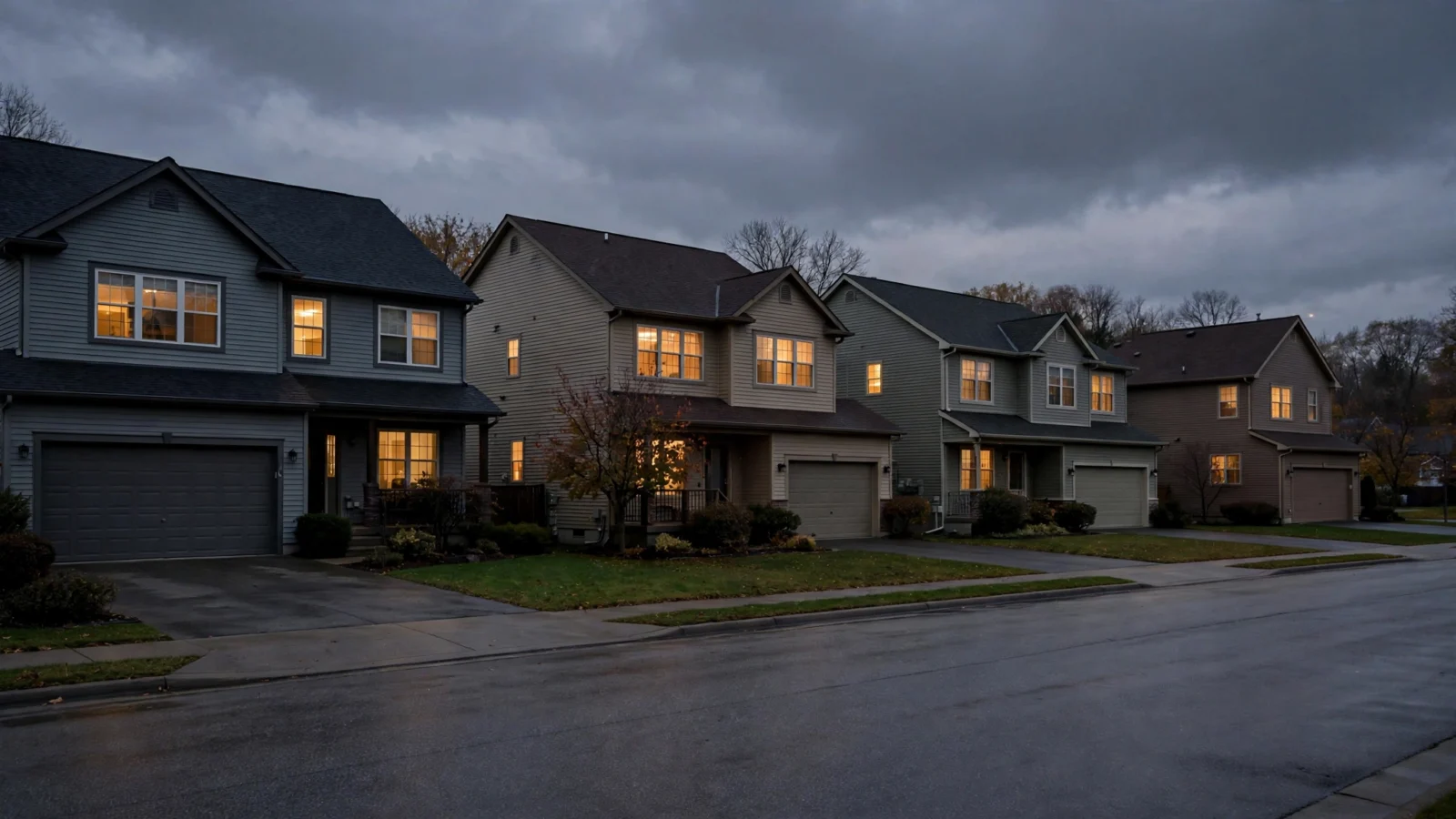
The average rate on a 30-year fixed mortgage in the United States climbed to 7.49% in the week ended October 2, the highest level since November 2023, according to data the Mortgage Bankers Association released on Wednesday. The 19-basis-point jump deepened affordability strains for homebuyers four weeks before the November 3 elections that will decide control of Congress.
Mortgage rates track the yield on 10-year Treasury notes, which hit a 24-year high earlier this week and topped 5.3% on Monday, driven by inflation concerns linked to soaring oil prices and stronger-than-expected economic growth data, according to Reuters. Borrowing costs have risen about 1.4 percentage points since late February, when joint U.S.-Israeli strikes against Iran began.
Applications fall as buyers step back
Mortgage applications fell 4.2% from the previous week, with refinancing demand dropping sharply and overall volumes at their lowest since February 2025, according to the MBA. Joel Kan, the association’s deputy chief economist, said very few homeowners have an incentive to refinance at current rates and that higher borrowing costs have pushed many potential buyers out of the purchase market.
Inflation registered 3.4% in August on the measure the Federal Reserve targets at 2%, according to Reuters. Fed officials raised rates in September and have signaled they expect one more increase by the end of the year, though markets are betting the central bank will hold steady at its late-October meeting.
Trump blames the Fed board; Bessent points to energy
Asked about mortgage rates at a White House event on Wednesday, President Donald Trump said the Federal Reserve Board would like to see the country do badly and argued that interest rates should come down, while calling Fed Chair Kevin Warsh “great,” according to Reuters. Treasury Secretary Scott Bessent, appearing alongside Trump, attributed high headline inflation to an energy shock and said core inflation had fallen the previous month toward the Fed’s target, predicting mortgage rates and the 10-year yield would come back down once the Iran conflict ends, according to Reuters.
The cost of living remains the top issue for voters, a Reuters/Ipsos poll completed Monday found, as Trump’s approval rating sits at a record low of 32%, according to Reuters.
Reporting based on coverage by Reuters and the Mortgage Bankers Association.