U.S. Tells Gulf States to Prepare for Short, Intense Post-Midterm Iran Campaign, Wall Street Journal Reports
The United States has told several Gulf Arab countries to be prepared for a short, intense military campaign against Iran after the midterm elections, according to The Wall Street Journal, as U.S. forces move ships, aircraft and missile defenses into position.
The United States has told several Gulf Arab countries to be prepared for a short, intense military campaign against Iran after the midterm elections, according to The Wall Street Journal, citing people briefed on the conversations.
The messages went through diplomatic and military channels, the Journal reported, and are among a growing number of signs that the United States and Israel are readying a new round of heavy combat operations against Iran, in hopes of weakening Tehran and pushing it toward negotiations.
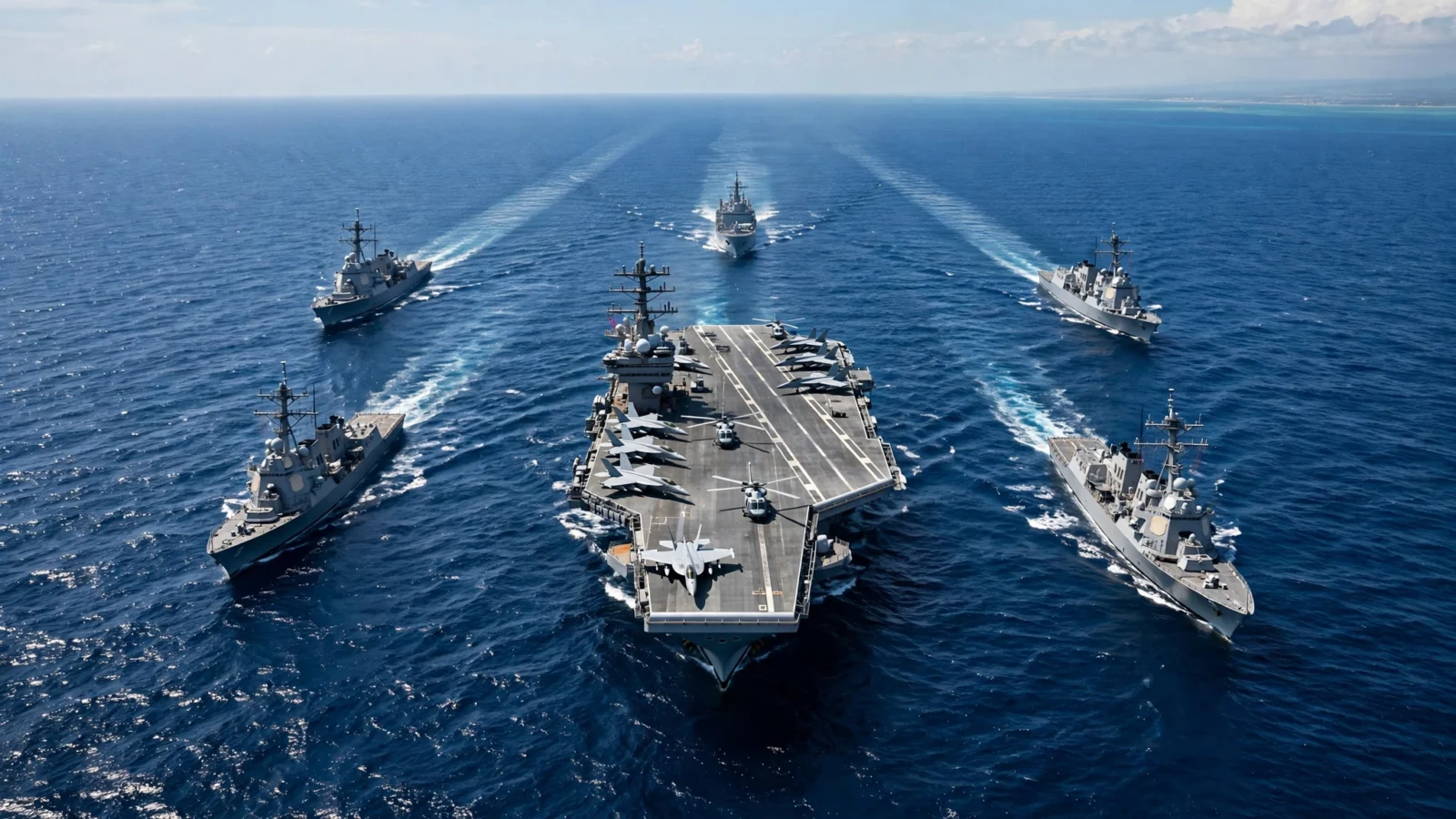
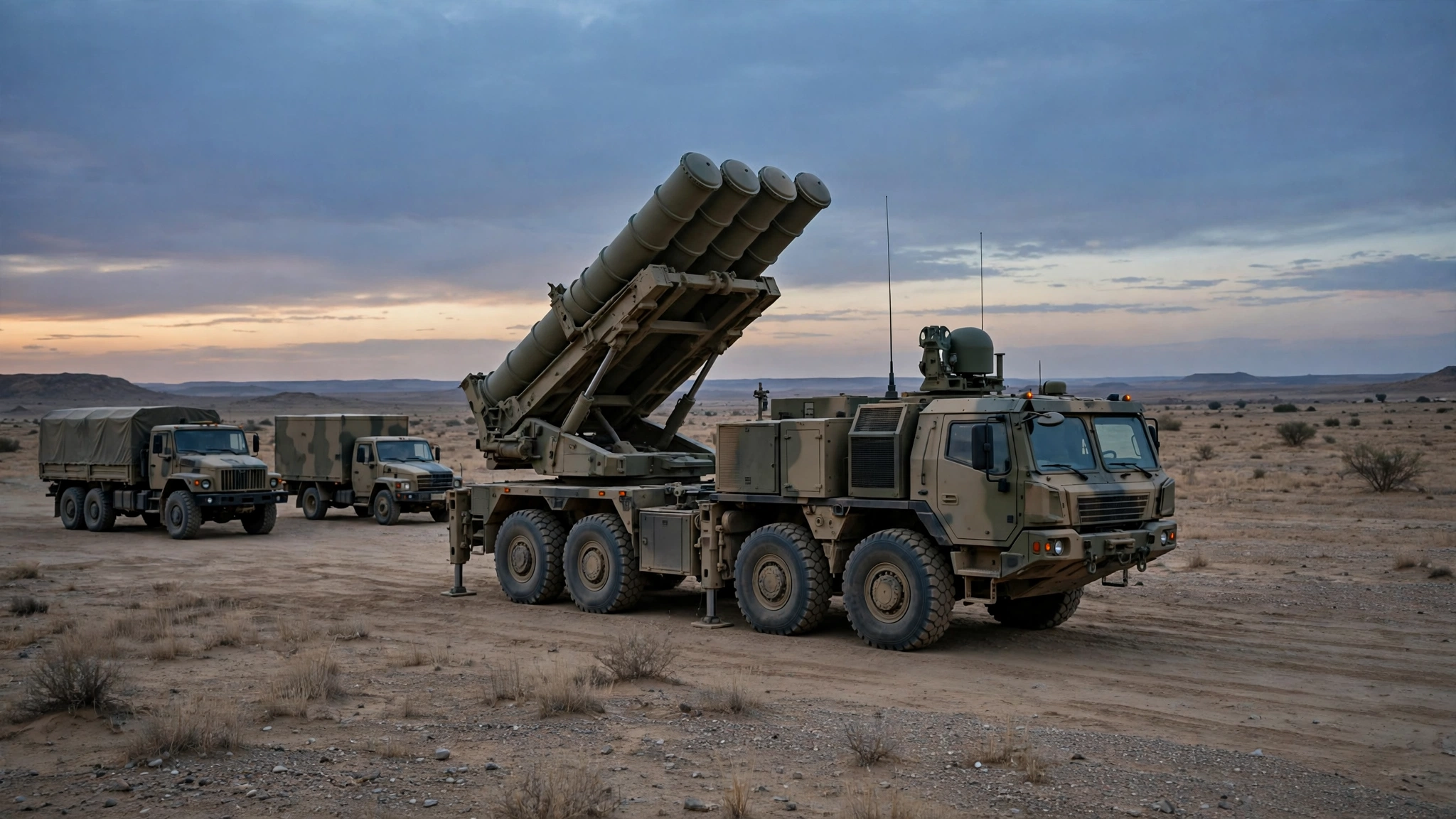
The United States is sending an additional Patriot system to Israel from Texas to strengthen its missile defenses, according to flight-tracking data and two officials with knowledge of the movement, the Journal reported. U.S. forces in the region have restocked munitions, moved troops off bases where they were exposed, and prepared bomber aircraft and jet fighters for strikes. An additional aircraft-carrier strike group and Marine expeditionary unit are also set to join about 20 other warships operating in the Middle East next month, although some ships could rotate out.
No decision yet, the Journal reports
President Donald Trump has not decided to go ahead but is leaning toward a large postelection attack that could target Iranian infrastructure and nuclear sites, people familiar with his thinking told the Journal. Trump has said he will not attack Iran before the midterms. At a rally last week, he said, “We may do another little Epic Fury,” referring to the heavy U.S. and Israeli bombing campaign in the spring. “Or they’ll agree.”
The White House said it would not comment on “sensitive military plans that may or may not exist” and said Trump “keeps all options on the table to ensure that Iran can never have a nuclear weapon.” The Defense Department said its job is to deliver such options. Israel has also prepared plans and targets for a new attack, the Journal reported, and Prime Minister Benjamin Netanyahu has continued to push for a resumption of strikes.
The moves would be a turn from the administration’s economic pressure campaign. Tighter sanctions paired with a naval blockade have cut off Iran’s oil sales for months, shut down much of its air links and cut into overland trade, the Journal reported.
Costs, warnings and the nuclear question
The war, in its eighth month, is estimated to have cost $47.1 billion as of mid-October, a tally that does not include damage to U.S. bases in the region, according to estimates shared with lawmakers. About 60 percent of the cost, or $29 billion, is attributed to spending on munitions such as Tomahawk and Patriot missiles.
Iran has warned through public and private channels that it would respond to any attack with harsh strikes on economic and civilian targets across the region, the Journal reported. Iran still holds a stockpile of hundreds to thousands of missiles and is assembling new ballistic missiles from stockpiled parts, according to the report.

Behnam Ben Taleblu, senior director of the Iran program at the Foundation for Defense of Democracies, told the Journal that if there is a need to target a growing threat like missile reconstitution, Trump should make that case publicly and with as much detail as possible. He added that the United States has a winning hand through maintaining sanctions and the blockade and should stay the course.
Danny Citrinowicz, a former Israeli military intelligence official, told the Journal that one of the biggest mistakes Israel and the United States keep making is assuming another round of strikes, including attacks on infrastructure or the elimination of senior officials, could somehow bring down the regime. He said further bombing could cause the regime to dig in further and become more committed to its missile and nuclear programs.
Seth Jones, a defense and security analyst at the Center for Strategic and International Studies, told the Journal he does not think anything will permanently set back Iran’s nuclear program, but strikes would let Trump start to walk away and say he had again set back the program.
Rafael Grossi, head of the International Atomic Energy Agency, told the United Nations Security Council on Tuesday that his agency has not identified any activity to repair or reconstruct facilities damaged in the attacks, but inspectors have not had access to the sites and the agency has not been able to verify that Iran has not diverted nuclear material. Middle East mediators are trying to revive talks with Iran to head off a new wave of combat, the Journal reported, but so far they have had little luck, with the United States insisting on discussing Iran’s nuclear program and Tehran laying out tough demands for resuming talks.
Reporting based on coverage by The Wall Street Journal.