Ebola Outbreak in Congo Passes 10,000 Cases as WHO Urges Sustained Response
The Democratic Republic of Congo's Ebola outbreak has passed 10,000 cases, with nearly 5,000 deaths since May, and the World Health Organization says control measures must expand further as cases spread across eight provinces and into neighboring countries.
The Ebola outbreak in the Democratic Republic of Congo has passed 10,000 cases, according to government data released Tuesday. The latest data from the Congolese Ministry of Health, cited by UN News, put the total at 10,141 cases and nearly 5,000 deaths as of Monday. Figures cited by Agence France-Presse put confirmed infections at 10,060 and deaths at 4,887 since the virus was first detected in May. The tallies differ slightly by source and cutoff, but both place the outbreak past the 10,000-case mark.
This is the 17th Ebola outbreak in the country’s history and the largest to date, according to the World Health Organization (WHO). It is also the second largest in the world after the West Africa outbreak of 2014 to 2016. The outbreak is caused by the rare Bundibugyo virus, for which there is currently no approved vaccine or treatment. It began in the eastern region of the country, amid conflict, hunger and widespread displacement, and has expanded to eight provinces, including areas that are hard to reach.
Recoveries, trials, and the search for a vaccine
More than 2,600 people have recovered from Ebola in the country, according to WHO, while capacity for testing and treatment has expanded. The Congolese National Institute of Public Health puts the fatality rate at close to 50 percent, according to Agence France-Presse.
Clinical trials of candidate vaccines are now underway. The TUMAINI trials, Swahili for “hope,” will first test whether the Ervebo vaccine used against the Zaire strain of the Ebola virus can provide protection in the current outbreak. Vaccines will be given through the ring vaccination approach, which covers close contacts of confirmed Ebola patients. The trial was launched in the city of Bunia on Friday, and WHO technical lead for vaccine trials Dr. Meg Moherty, who attended the launch, said scientists are building on the experience of the West Africa outbreak, when the same approach was used in Guinea to establish the efficacy of Ervebo.
WHO recently convened expert groups to evaluate evidence on two other vaccines designed against Bundibugyo, with findings expected this week. The response has also run into distrust in some areas. A nurse was killed and a health worker seriously wounded in the northeastern Tshopo province on Saturday, according to WHO, and the Ebola treatment center where the incident took place has since shut down, according to Dr. Marcel Likolo, chief medical officer of the Bafwasende health district.
Cases beyond Congo’s borders
Kenya has recorded nine Ebola cases, including two deaths, all linked to the country’s first case: a Kenyan man working in Congo who flew to Nairobi via Uganda on October 3 and died two days later. More than 130 contacts were identified and placed under quarantine, and 20 have since been discharged. A UN humanitarian fund has allocated more than $2 million to boost Ebola preparedness and response in Kenya, including surveillance at border crossing points, training for rapid response teams and front-line responders, and preparedness along high-risk refugee and travel routes in the northwest.
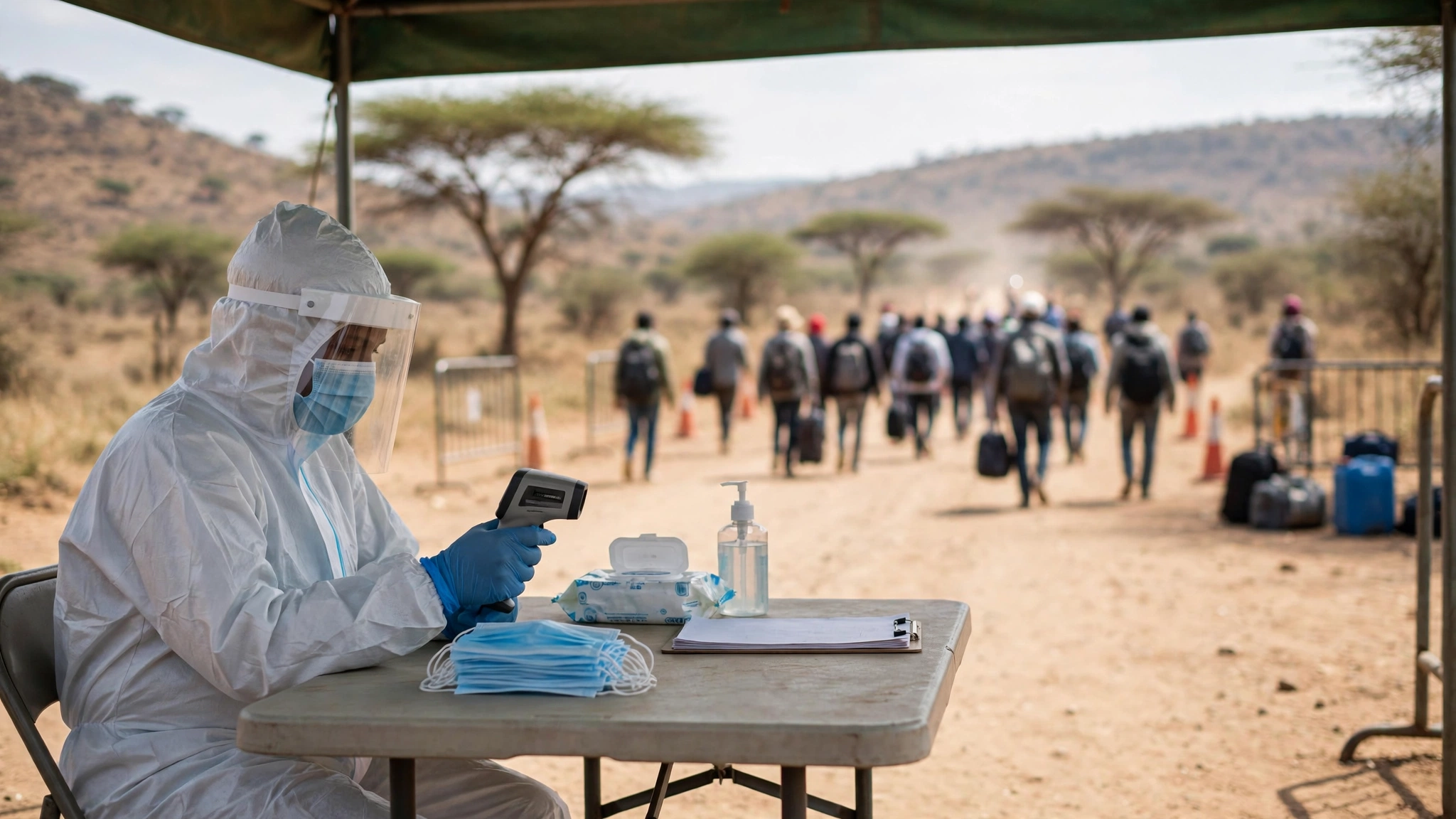
Uganda recorded 20 cases and two deaths before WHO declared the country Ebola-free in late August, according to Agence France-Presse. Nigeria has confirmed only one case so far, a 42-year-old Swiss woman who contracted the virus after a trip to Uganda with her husband and was evacuated to a hospital in Geneva on Monday. Nigerian health authorities have identified 53 of her contacts.
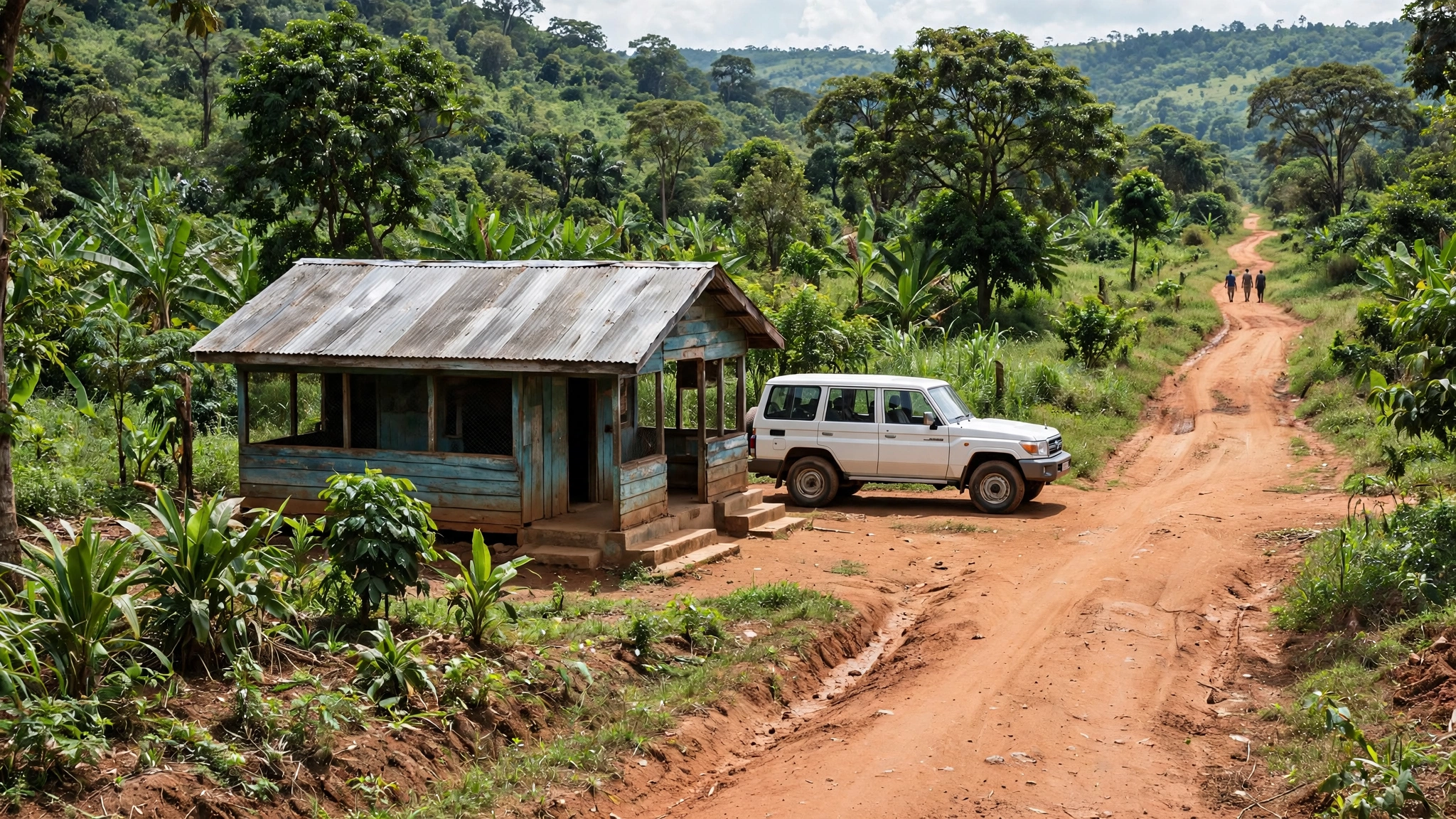
“Sustained efforts are essential to end the outbreak,” WHO said in a statement, adding that the response requires continued scale-up of control measures, greater access to affected areas, and community outreach that builds trust and encourages people to engage with the response.
Reporting based on coverage by UN News and Agence France-Presse.