Iran Steps Up Shipping Attacks Near Hormuz to Keep Oil Prices High Before US Vote, Officials Say
Two senior Iranian officials told Reuters that Tehran is changing its tactics against vessels around the Strait of Hormuz to keep oil prices high and influence the November US midterm elections, as attacks on ships hit their highest level since the war began.
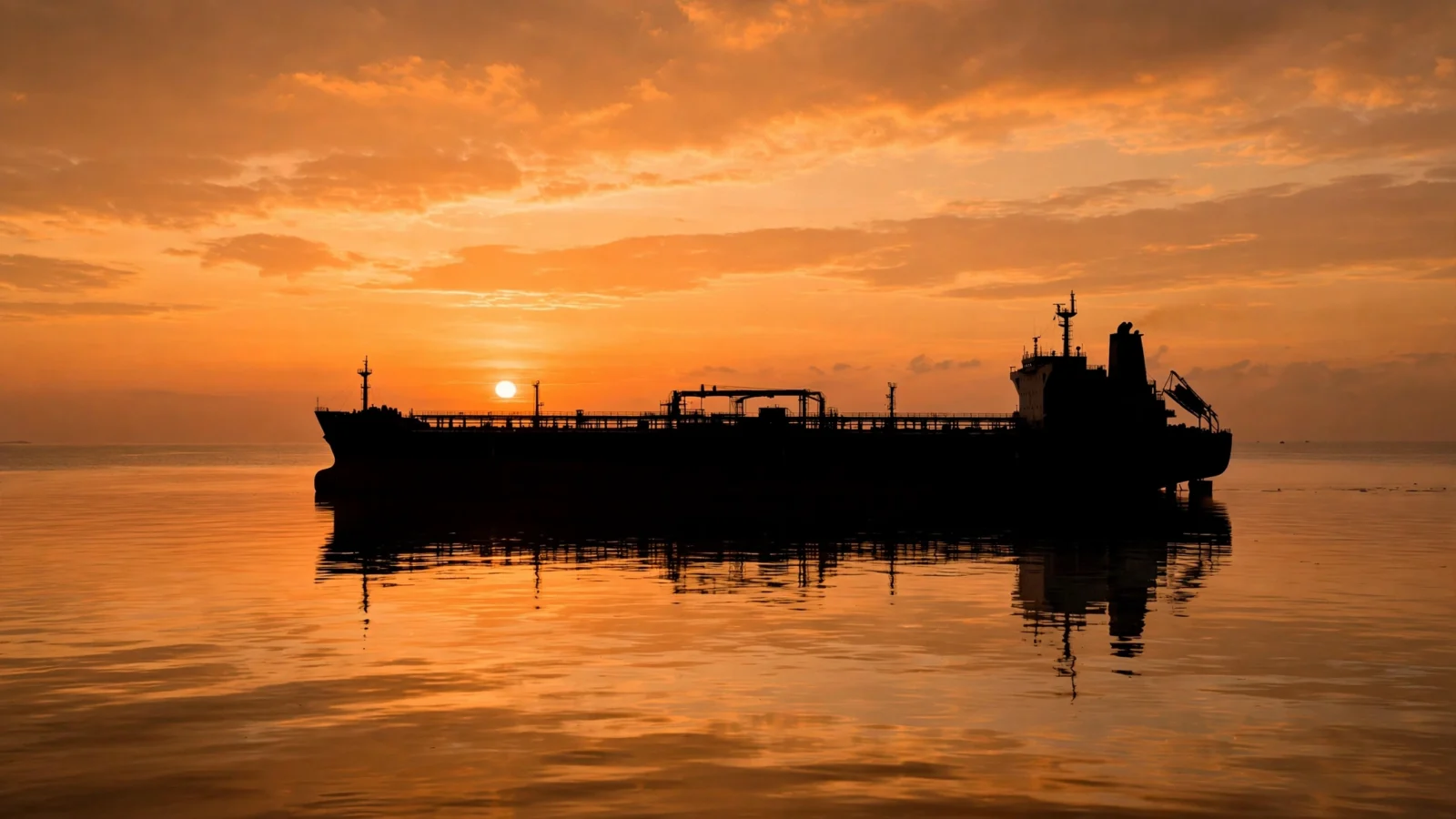
Iran is changing its tactics to step up attacks on ships sailing through the Strait of Hormuz, two senior Iranian officials told Reuters, in a strategy they said is aimed at keeping oil prices high and influencing the November US midterm elections.
The officials said Iran began using different offensive tactics against vessels it considers in violation of its restrictions about 10 days ago, and that attacks on such ships have increased. “The aim is to frustrate efforts by the United States and its allies to bring down global oil prices,” one of the officials said. The decision was taken at the highest levels of Iran’s leadership, the officials said.
A wider area of operations
Tehran also plans to widen its operations beyond the Strait of Hormuz into the Gulf of Oman, the officials said. Maritime security sources say Iran may already be targeting ships in waters off Qatar and the United Arab Emirates.
Attacks on commercial ships have surged to their highest level since the war began, according to independent data. At least five incidents involving tankers and other commercial ships were recorded around the Hormuz area in the past 48 hours, including drone strikes, based on reports to the United Kingdom Maritime Trade Operations and regional maritime security firms. One maritime security source said: “There is a tempo increase in strikes, which looks deliberate.”
The second Iranian official said Tehran would not allow President Donald Trump to bring down oil prices before November. “Just when they think they are getting close to the point where prices will fall, we will push them away from it,” the official said. “Such vessels would be safe nowhere, even outside the Strait of Hormuz.”
Spotter boats replace radar
A US military official, speaking on condition of anonymity, confirmed one tactic change: after the US destroyed much of Iran’s radar, the Islamic Revolutionary Guard Corps began using unarmed spotters in small boats to identify targets, including US naval vessels. Last week, US forces confronted a dhow being used to call in targets, ordered its occupants to abandon ship and destroyed it, the official said. There were no casualties.
The disruption is already weighing on the economy. The IMF projects the Middle East and Central Asia economy will shrink 0.3% in 2026 as the Hormuz disruption drags on. With the war carrying a $3 billion monthly price tag, Trump has said he will not order new strikes before the vote while the US presses a naval blockade of Iranian ports. The US Navy-led Joint Maritime Information Center rates the threat to merchant shipping “severe,” its second-highest level.
Reporting based on coverage by Reuters.