Cornell Suspends All Fraternity Parties for the Rest of the School Year After Rape Allegations
Cornell president Michael Kotlikoff announced Tuesday that all parties and social events in fraternity houses are suspended for the rest of the 2026-2027 academic year, as the university answers a lawsuit alleging it failed to protect a student assaulted at a fraternity house in 2024.
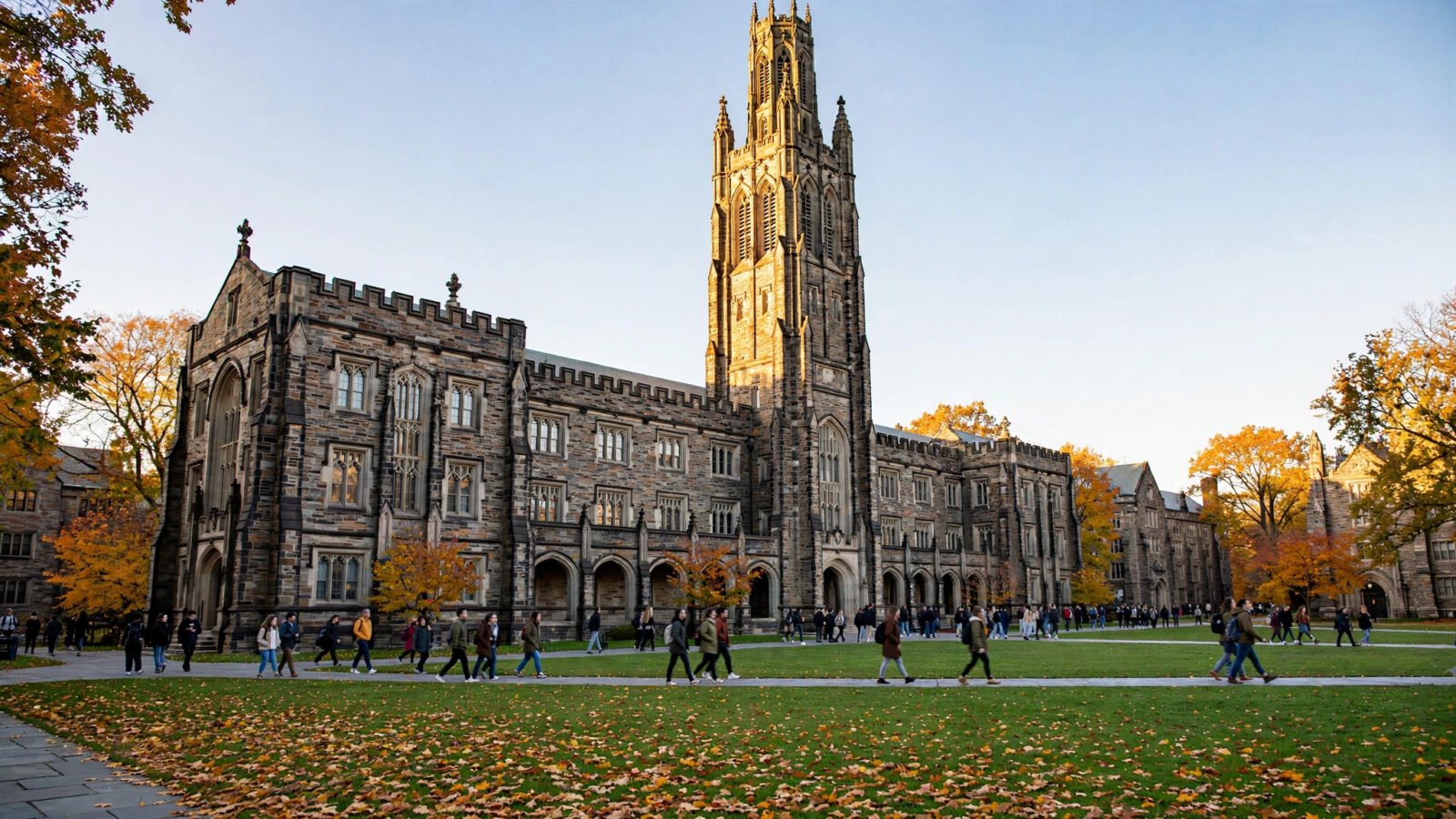
ITHACA, N.Y. — Cornell University is suspending all parties and social events in fraternity houses for the rest of the school year, president Michael Kotlikoff announced Tuesday, as the university faces continued criticism over its handling of a 2024 sexual assault allegation.
“All parties and social events in Interfraternity Council (IFC) houses at Cornell will be suspended for the remainder of the 2026-2027 academic year,” Kotlikoff said in a statement. He said the pause would allow a “thorough review of fraternity life.”

The action comes weeks after a student known as Jane Doe filed a lawsuit alleging that seven members of the Chi Phi fraternity gang-raped her in October 2024 while she was too intoxicated to consent. The lawsuit also accused the university of failing to protect the student.
Independent review and new campus measures
On October 6, Cornell hired former acting attorney general Sally Yates to conduct an independent review of the university’s policies. Kotlikoff said Tuesday the school will add staff to its Office of Civil Rights, assign personnel to help students who report sexual assault work through university procedures, and work with New York State Police so trauma-informed officers can investigate sexual assault allegations on campus.
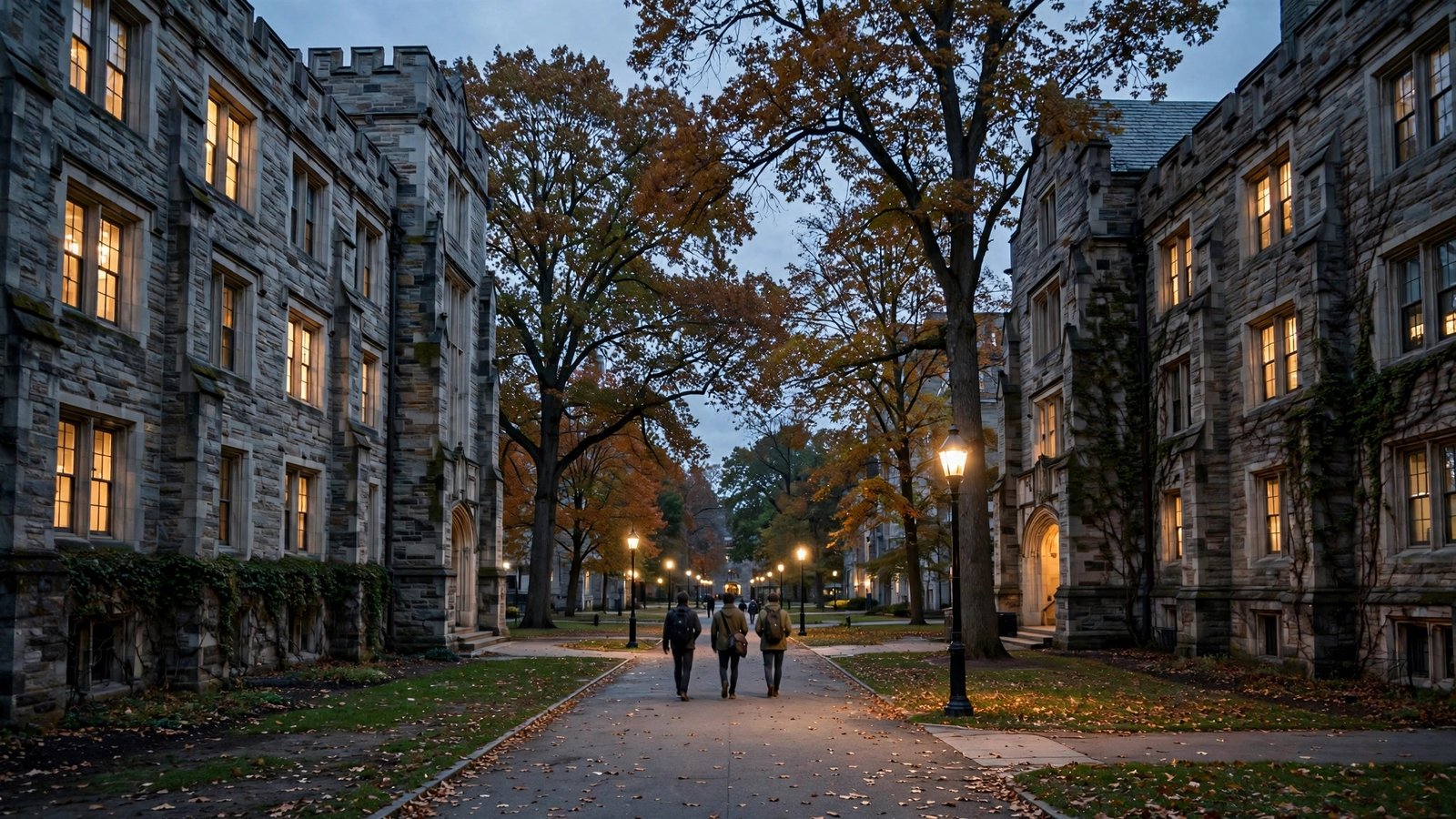
The new measures appear to answer demands students and faculty raised during campus-wide demonstrations last week. “Research has shown that campus sexual assault is not limited to the fraternity system,” Kotlikoff said in the statement, adding that alcohol and drug abuse sit at the center of the problem.
A permanent ban is not off the table
Cornell administrators have not ruled out a permanent ban on Greek life, though they have said they want to move carefully. Ryan Lombardi, vice president for student and campus life, said at an October 6 faculty town hall: “We’re home to many of the firsts of fraternities and sororities, and so we have to look at this thoughtfully and see if we can be a leader.”
The university’s earlier response to the 2024 allegations has drawn national criticism. After a Title IX investigation, Cornell expelled two of the fraternity members, barred another who had graduated, suspended two others, and banned the Chi Phi fraternity. Tompkins County District Attorney Matthew Van Houten declined to bring criminal charges based on a six-page statement the student gave to campus police, but announced on September 28 that his office would reopen the case. New York Gov. Kathy Hochul then appointed state Attorney General Letitia James as a special prosecutor to investigate the allegations.

Ithaca Mayor Robert G. Cantelmo called the school’s response “appalling.” At his request, the Ithaca Common Council voted October 8 to stop issuing new permits for assemblies, parades and special events for Cornell, its fraternities and sororities, and other student groups.
Reporting based on coverage by USA Today.