Supreme Court Agrees to Hear Cases on DOGE Records and Asylum for Nigerian Man Who Cooked for Militants
The justices agreed Tuesday to decide whether the Trump administration must turn over internal records from the Department of Government Efficiency and whether a Nigerian man forced to cook for a separatist group is barred from asylum. Decisions are expected by next summer.
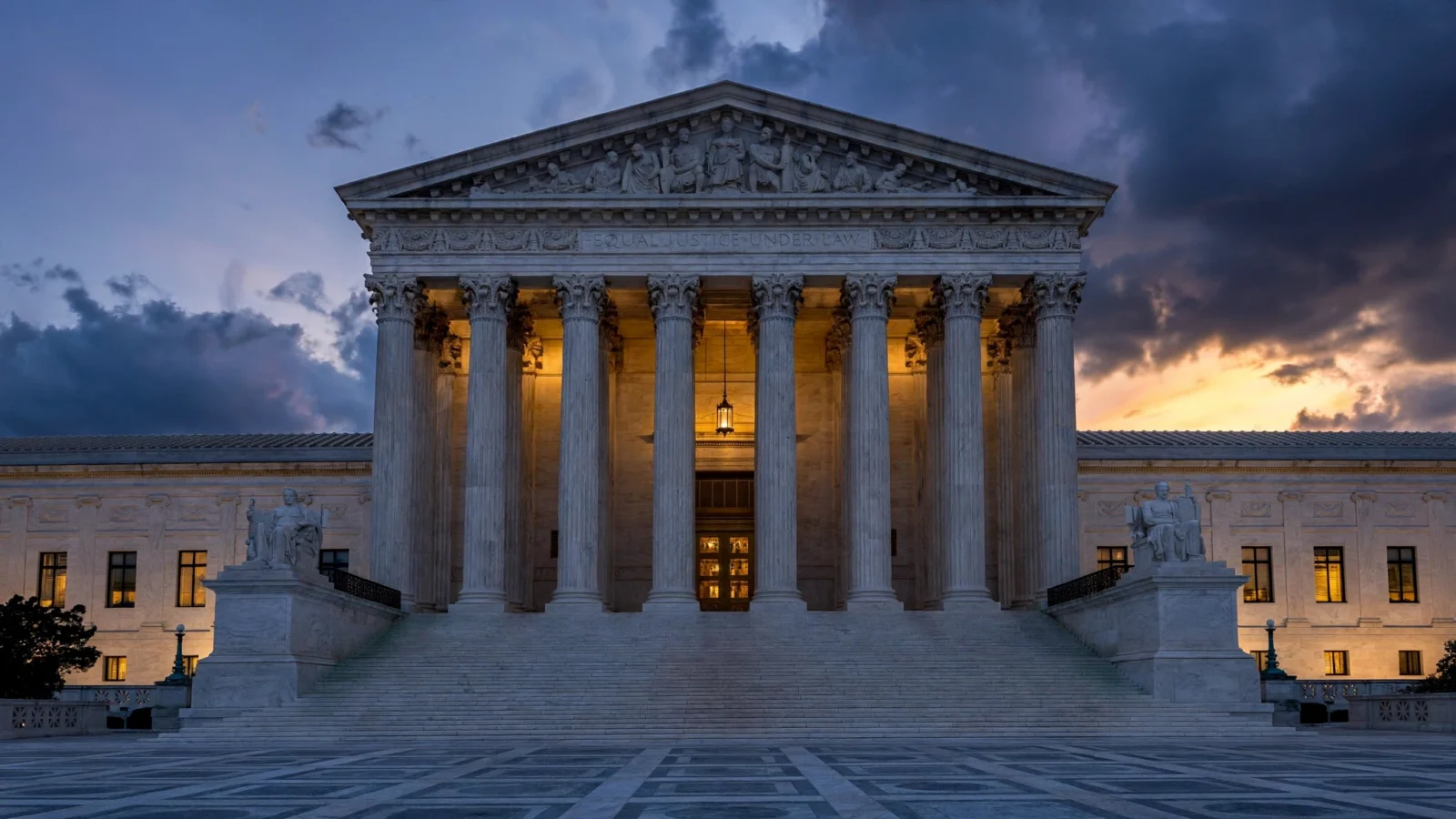
The Supreme Court agreed Tuesday to take up two appeals from President Donald Trump’s administration: a fight over access to internal records from the Department of Government Efficiency and a dispute over whether a Nigerian man denied asylum because he once cooked meals for members of a terrorist organization. Decisions in both cases are expected by next summer, according to CNN.

The DOGE records fight
The watchdog Citizens for Responsibility and Ethics in Washington sued to obtain DOGE records under a federal transparency law, and lower courts ordered the entity to produce information to help decide whether the Freedom of Information Act applies to it at all. The ordered disclosures include the administrator’s directives to employees, plans for accessing classified information and a deposition by the head of DOGE, Amy Gleason, CNN reported.
The Justice Department appealed, arguing that separation-of-powers concerns bar “wide-ranging and intrusive” discovery demands and that the orders hand over much of the information CREW sought before any court has ruled that FOIA applies. The administration describes DOGE, once run by Elon Musk, as a presidential advisory body that makes recommendations rather than decisions. The dispute turns on whether DOGE was exercising power on its own, which could make it subject to open-records requests, or was merely advising the president, which would likely shield it.
The Supreme Court intervened in the same case last year, over the dissent of the three liberal justices, ordering lower courts to narrow the scope of the requested discovery. CREW later withdrew requests for some documents, while other requests survived, and the justices will now decide whether those pared-down requests were proper.

The asylum case
The second case, Blanche v. Ozurumba, centers on Nigerian citizen Izuchukwu Ozurumba. According to court papers, Ozurumba followed a job tip in 2022 to a remote camp outside Lagos, where he learned the site was run by the Unknown Gunmen, a group of suspected Nigerian separatists that U.S. officials consider a terrorist organization. His lawyers said he was forced to stay and cook for the group without pay for about six months and escaped during a supply run.
Ozurumba entered the United States illegally in July 2023 and applied for asylum. An immigration judge deemed the Unknown Gunmen a terrorist organization and ruled that his cooking counted as “material support” for terrorism under the immigration statute, making him ineligible for asylum and other deportation protections. The judge found the cooking helped the group meet “basic human needs” and that the duress did not change the result. Ozurumba was deported to Nigeria in 2025 while his appeal continued.
The Richmond, Virginia-based 4th U.S. Circuit Court of Appeals sided with Ozurumba in September 2025, finding he was a captive laborer whose cooking “provided nothing that the organization could use or readily divert to plan or carry out its terrorist activities.” The Trump administration appealed, saying the ruling conflicts with at least three other circuits and would “substantially increase the burden on the government in excluding aliens with links to terrorism.” U.S. Solicitor General D. John Sauer told the justices that “providing meals to a terrorist organization’s members is no less a material form of support than providing gasoline for its vehicles,” according to CNN.
Ozurumba’s lawyers counter that the law’s word “material” must mean something, arguing his forced, unpaid cooking for six months did not meet that threshold. Under the government’s reading, they said, any interaction with a terrorist organization could be labeled material support, including a priest hearing confession or a doctor treating a patient.

The grants land as the Supreme Court makes immigration a central theme of its new term, with the justices already reviewing the administration’s push to deport migrants to third countries and its mandatory detention policies, CNN reported.
Reporting based on coverage by Reuters and CNN.