DOJ and FTC Sue California Ticket Broker REPS & Company Over $1.3 Billion in Alleged Scalper Buys
Federal prosecutors say San Diego-based REPS & Company bought more than 18.5 million tickets for 83,500 events through fake accounts and resold them for at least $120.8 million in profit, violating the BOTS Act.

The Justice Department and the Federal Trade Commission have sued a San Diego ticket broker, accusing it of buying more than $1.3 billion worth of concert and event tickets in bulk through fake accounts and reselling them at steep markups since 2022.
The complaint, filed in the U.S. District Court for the Southern District of California, names REPS & Company Inc. along with its chief executive Ryan Pancheri, president Brian Archibald and chief operating officer Nicholas Totagrande. The government alleges the company and its executives violated the FTC Act and the Better Online Ticket Sales Act, the federal law that bars buyers from getting around the limits ticket sellers set on how many tickets one person can buy.

According to the Justice Department and the FTC, REPS bought more than eight tickets for at least 83,500 events between January 2022 and October 2025, amassing more than 18.5 million tickets and generating at least $120.8 million in profit on the secondary market. The government says REPS used analytics software and data scraping to track artist popularity and tour schedules, then targeted the events most likely to sell out.
Thousands of accounts, thousands of SIM cards
The complaint describes an operation built to slip past purchase limits. Employees, most of them based in the Philippines, bought tickets through accounts created with names, addresses or phone numbers belonging to other people, according to the California Post’s account of the complaint. The company allegedly used IP proxy services and multi-session browsers to mask who was behind each purchase, averaged 19 accounts per person and registered as many as 40 accounts under a single identity.

Staff also kept what the complaint calls an “error bible” with instructions for bypassing Ticketmaster’s security controls, and the company relied on thousands of SIM cards and virtual credit cards to create more accounts and evade restrictions, prosecutors said. Internal documents said REPS worked to “maximize purchasing efficiency” by keeping its accounts from being flagged.
One Beyonce show, $833,000 in profit
The complaint puts numbers on a few individual events. REPS allegedly made $833,000 in profit by using 1,300 accounts to buy 7,624 tickets to a single Beyonce Renaissance tour show in Kansas City in 2023, according to the FTC. For a Pitbull concert in Syracuse, New York, in 2024, the company allegedly used at least 700 accounts to buy 5,430 tickets, then resold them for $120,109 in profit. Its tickets went to resale platforms including Stubhub and SeatGeek, prosecutors said.
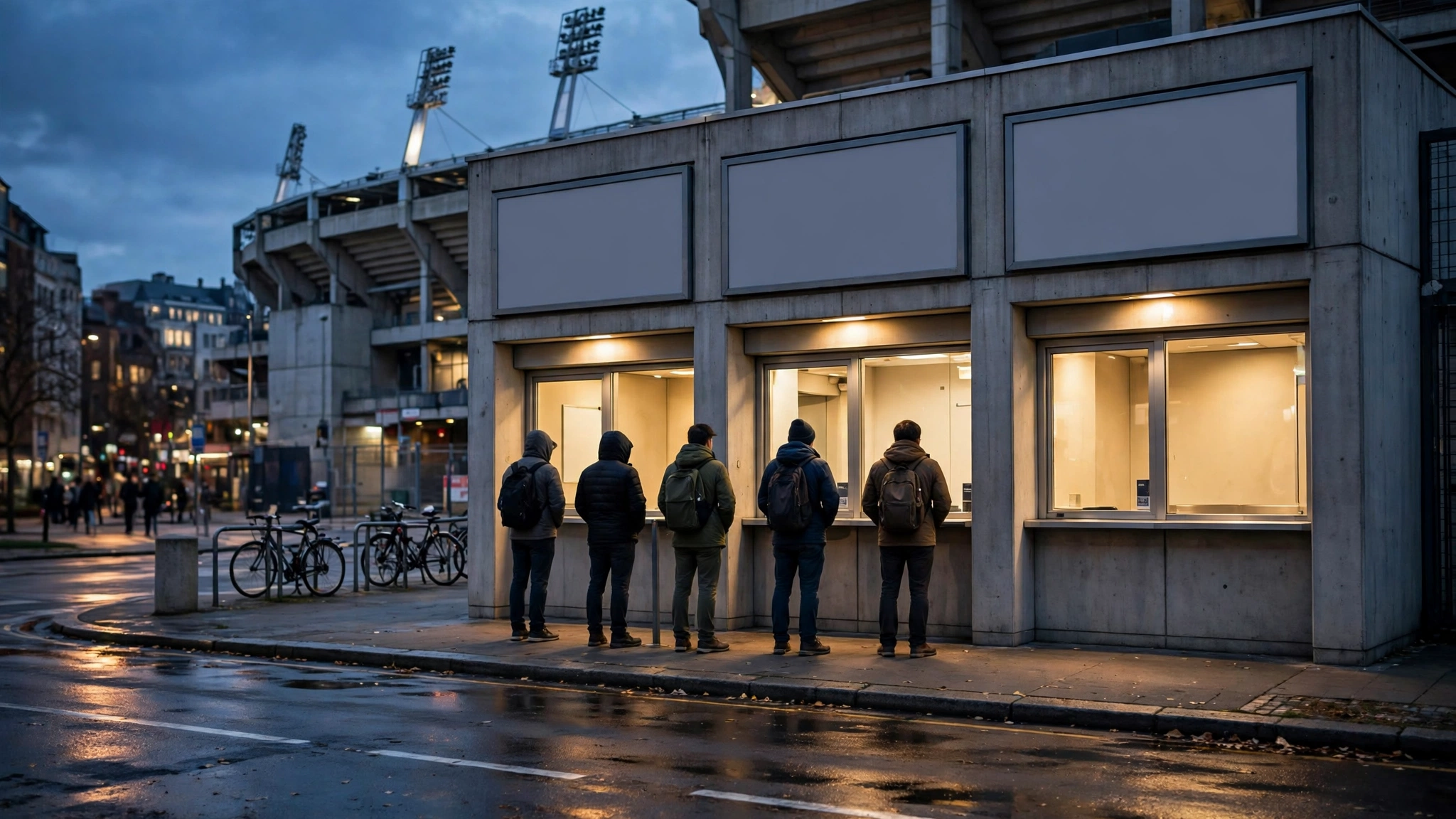
“The Justice Department is committed to holding accountable individuals and businesses that drive up the cost of event tickets by illegally exceeding ticket purchase limits and reselling those unlawfully obtained tickets with exorbitant markups,” Assistant Attorney General Brett A. Shumate of the Justice Department’s Civil Division said in a statement announcing the case.
The lawsuit asks the court to bar REPS from future violations, impose civil penalties and award monetary relief. The BOTS Act, passed by Congress in 2016, makes it illegal to circumvent a security measure that a ticket seller uses to enforce posted ticket limits. The Justice Department noted that the claims in the complaint are allegations only and that no determination of liability has been made. REPS was contacted for comment.

Reporting based on coverage by the U.S. Department of Justice, the Federal Trade Commission and the New York Post.