Electric vs. Hybrid vs. Gas Cars: What Each Offers and How to Choose
Electric, hybrid, and gas cars trade off purchase price, fuel costs, and convenience in different ways. Here is how the three compare on cost, fueling, and which drivers each one suits best.
Buying a car used to mean one decision: which gasoline car to buy. Today there are three distinct ways to power a car, and the choice affects what you pay up front, what you spend on fuel, and how you refuel. Electric cars charge from the grid and never touch a gas station. Hybrids pair a gas engine with an electric motor to stretch each gallon. Gas cars keep the system everyone knows: cheap to buy, quick to refuel, easy to service anywhere. Confusion comes from labels that blur the lines, so here is what each type actually is and what it costs to own.
How an electric car works
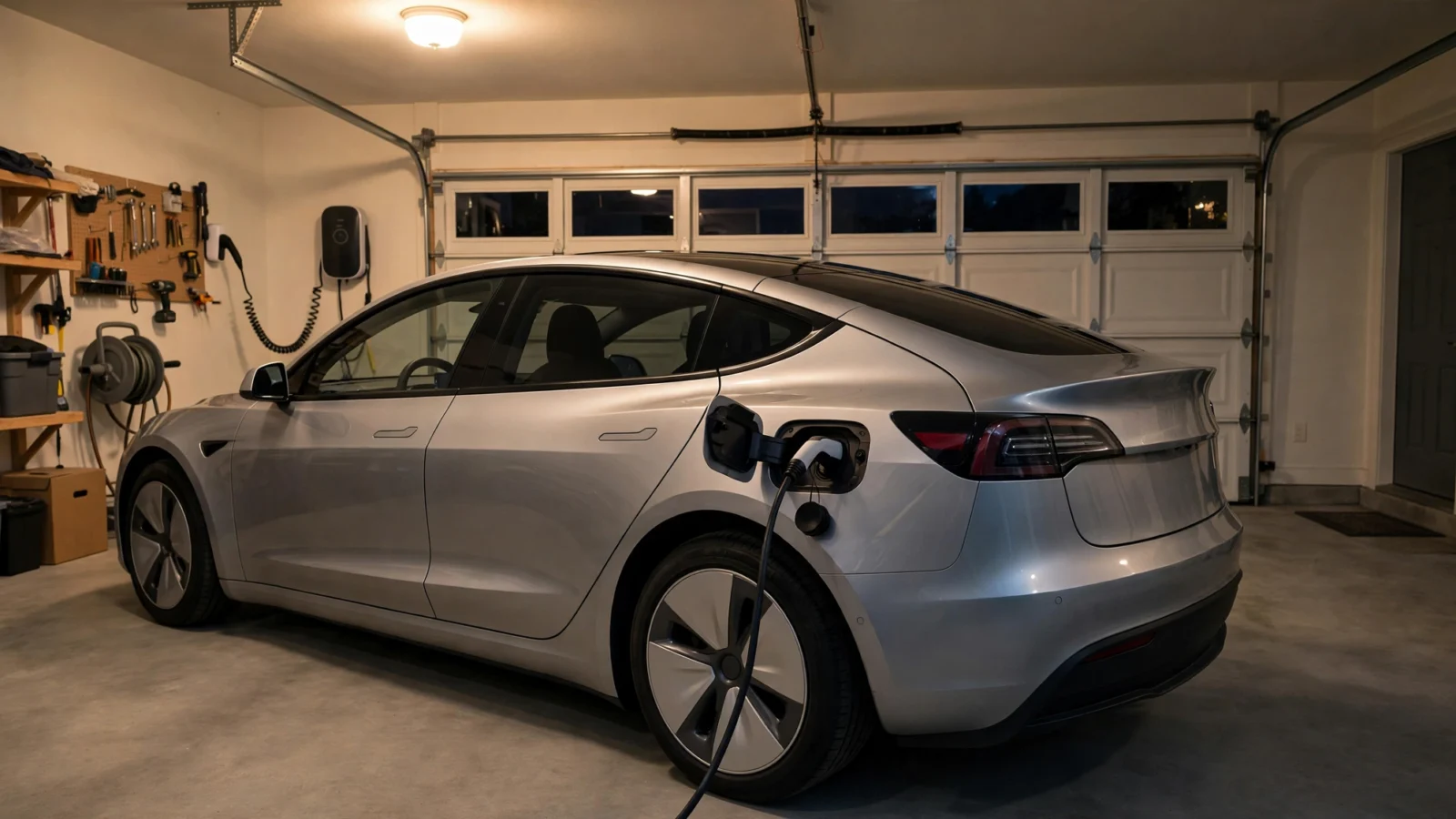
An electric vehicle stores all its energy in a large battery pack and turns its wheels with one or more electric motors. There is no gas tank, no tailpipe, and no oil to change. Owners charge at home overnight or at public stations on the road, where a full charge takes much longer than filling a gas tank. Many current models travel roughly 250 to 300 miles on a charge, though cold weather and steady highway speeds bring that number down.
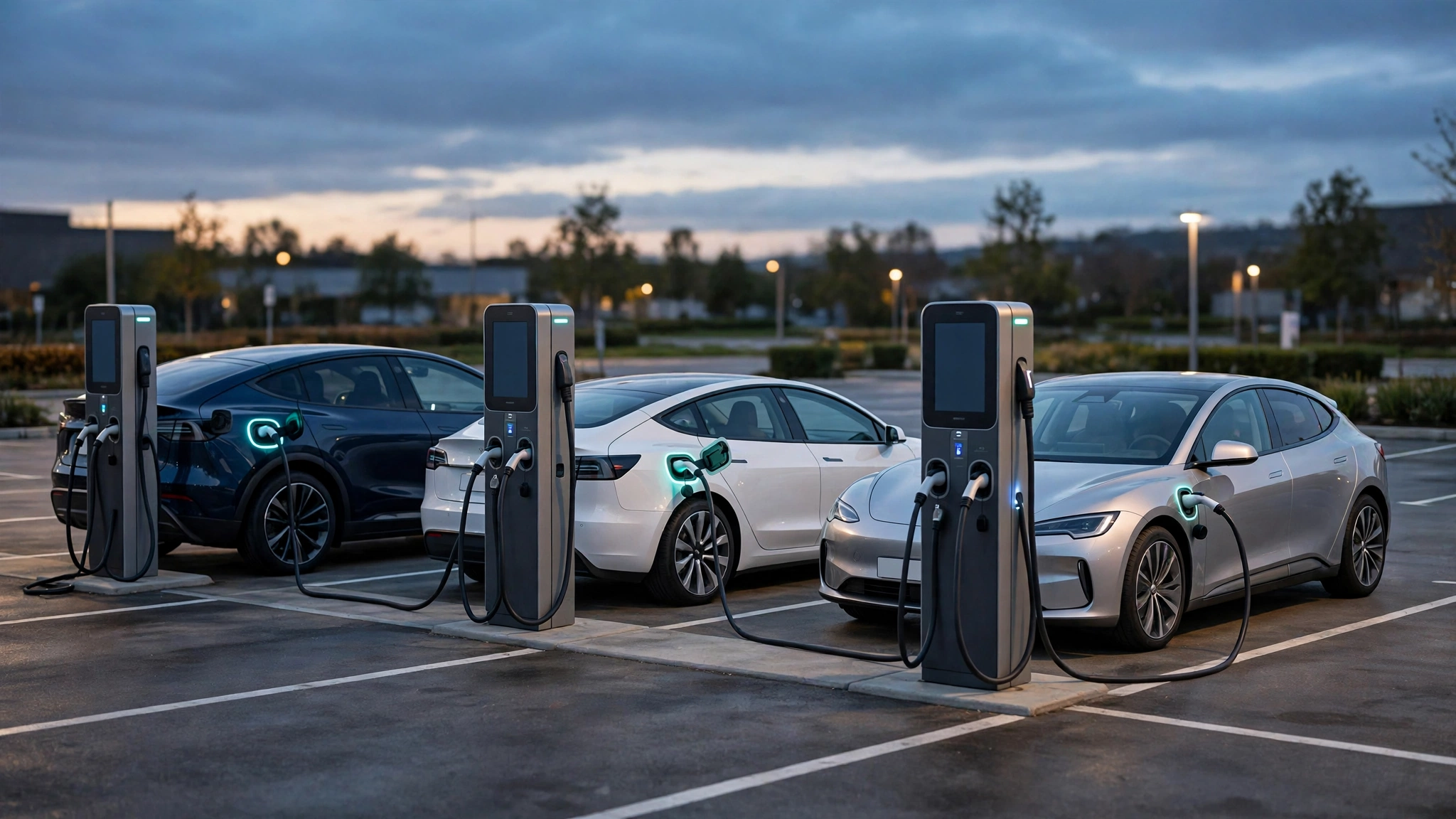
The economics favor people who charge at home and drive mostly local trips. Electricity costs less per mile than gasoline in most states, and electric motors have fewer moving parts to wear out. The catch is the purchase price, which still runs highest of the three, plus the time charging takes and the planning long trips require.
Federal tax credits of up to $7,500 supported EV buyers for years, but those credits were wound down in 2025. State programs come and go, so check what is currently active before counting any credit in your math.
How a hybrid works
A hybrid pairs a gasoline engine with an electric motor and a smaller battery. A regular hybrid never plugs in: it recharges its battery from the engine and from energy captured during braking, and it shuts the engine off at stoplights and in slow traffic. Many hybrid sedans return 45 to 55 miles per gallon, roughly double a gas-only equivalent.
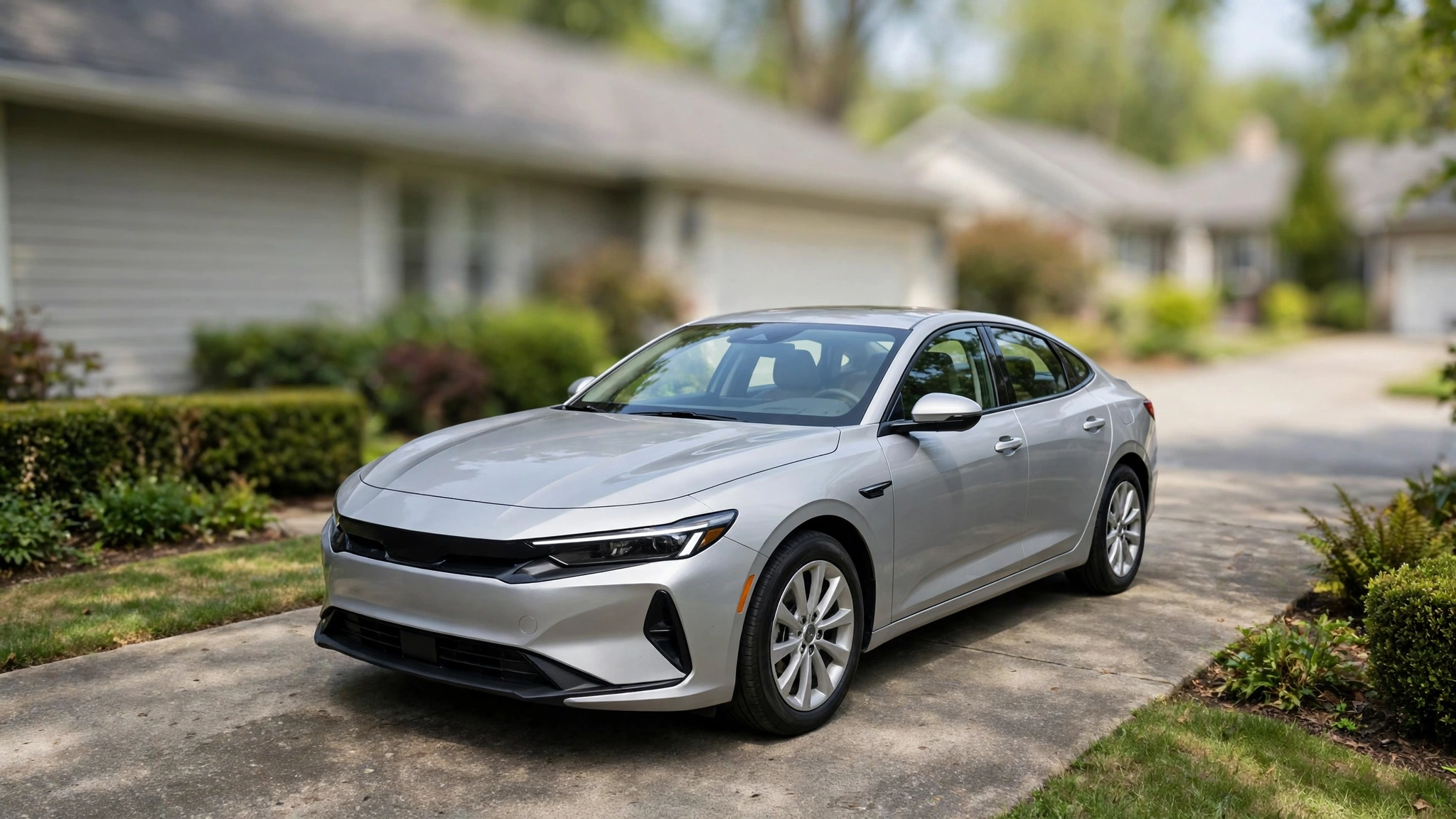
A plug-in hybrid adds a larger battery and a charging port. It can run roughly 30 to 40 miles on electricity alone before the gas engine takes over, enough to cover many daily commutes without burning fuel. Once the electric range runs out, it behaves like a regular hybrid. To get full value from a plug-in, you need to actually plug it in; run only on gas and you carry a heavy battery for no reason.
Hybrids cost more than gas cars but less than electrics, and they ask nothing new of the driver: fill up at any gas station, with stops farther apart.
How a gas car works
A conventional car burns gasoline in an internal combustion engine and nothing else. It is still the cheapest car on the lot, it refuels in minutes at any of the roughly 140,000 gas stations in the United States, and any mechanic can service it. Those advantages are real and they are not going away.
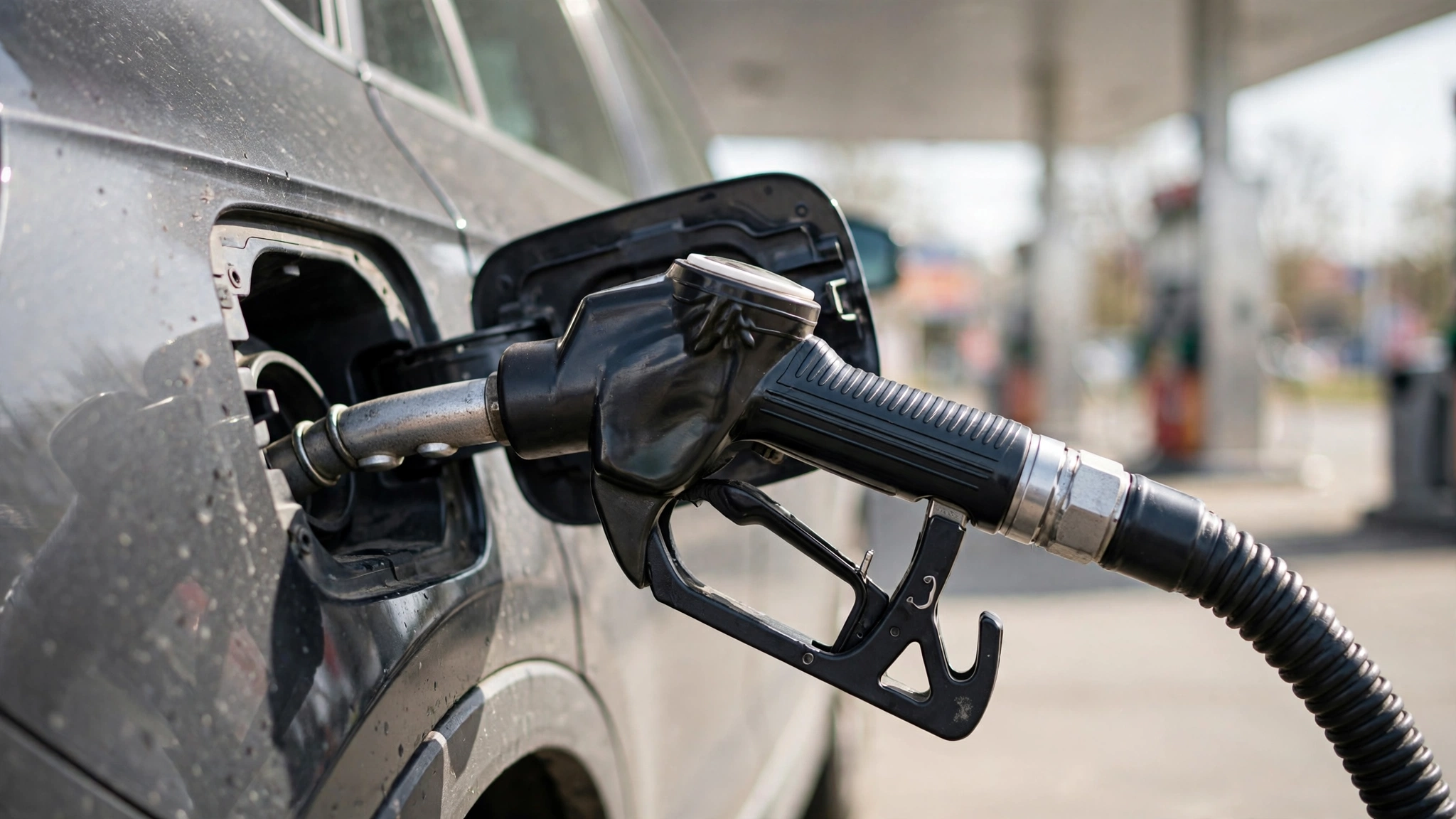
The tradeoff shows up over time. Gasoline costs more per mile than electricity or a hybrid’s sip of fuel, prices swing with the oil market, and a gas engine needs more routine maintenance: oil changes, exhaust repairs, brake jobs. Tailpipe emissions are the other ongoing cost.
Side-by-side comparison
| Electric | Hybrid | Gasoline | |
|---|---|---|---|
| What it is | Battery and electric motors only; charged from the grid | Gas engine plus electric motor; self-charging (plug-in versions also charge from a wall outlet) | Gasoline engine only |
| Who it fits | Drivers with home charging and mostly local driving | Commuters who want lower fuel bills without changing habits | Drivers who want the lowest purchase price and full flexibility |
| Upfront cost | Highest of the three on average | Between electric and gas | Lowest |
| Cost to fuel | Cheapest per mile; electricity rates vary by state | Moderate; uses far less gasoline than a gas-only car | Highest; gas prices move with the oil market |
| Fueling | Home charging plus public stations; minutes to hours | Gas stations only (plug-ins can charge at home too) | Gas stations; a few minutes |
| Pros | No tailpipe emissions; lowest per-mile cost; fewer moving parts | Strong fuel economy; no range worry; no home charger required | Lowest price; fastest refuel; serviced anywhere |
| Cons | Highest price; charging takes time; range drops in cold weather | More complex; battery replacement is expensive; plug-ins only pay off if charged | Fuel costs most; more maintenance; tailpipe emissions |
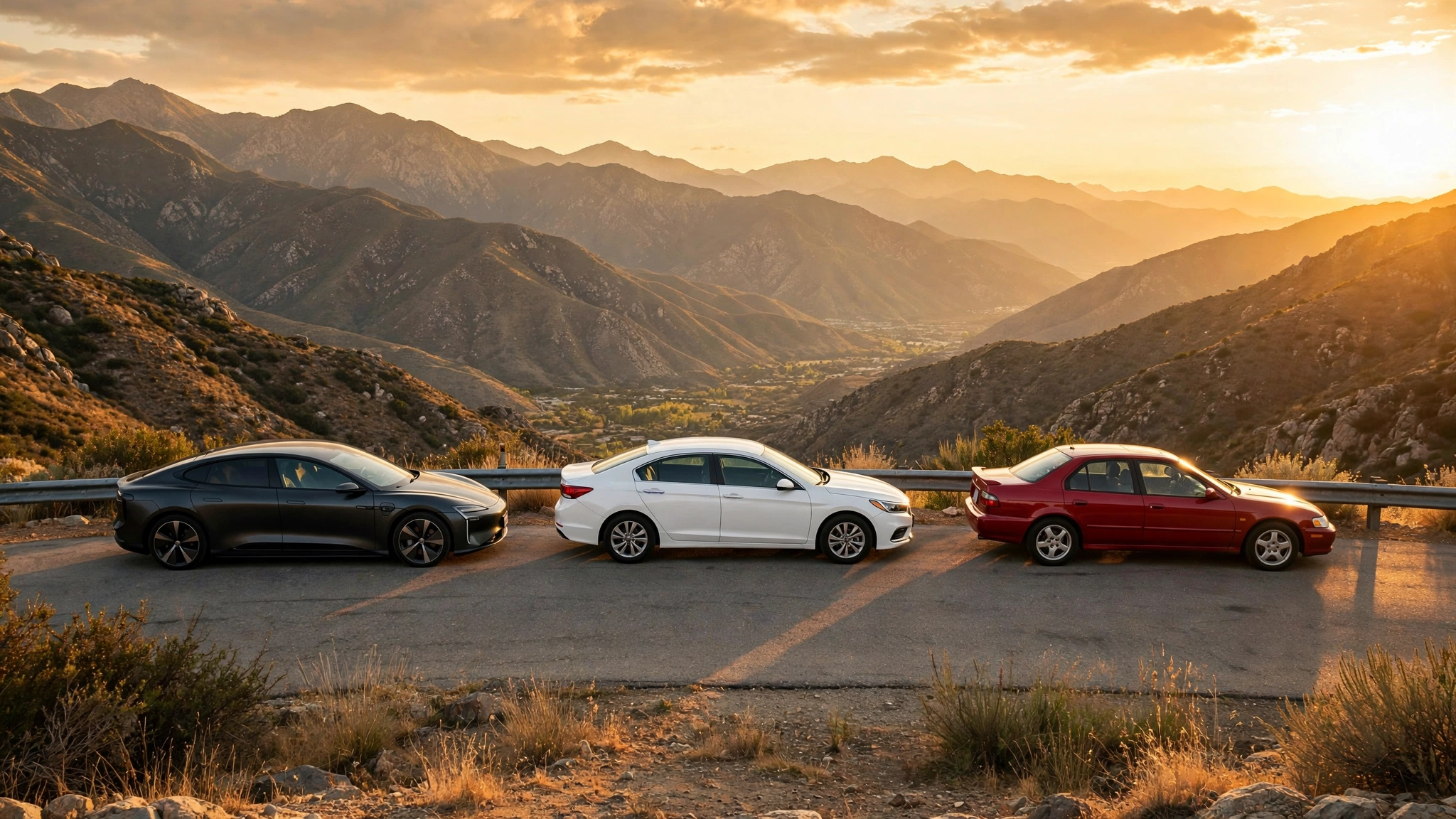
The verdict: match the car to your driving
Choose electric if you can charge at home and most of your miles are local: you will rarely visit a public charger and you will pay the least per mile. Choose a hybrid if you want lower fuel bills without rethinking your routine; pick a plug-in if you can charge at home and want to cover the commute on electricity. Choose gas if the purchase price decides it for you, if you tow heavy loads regularly, or if you live somewhere charging is impractical. Whatever you pick, run the numbers on your own mileage, your local electricity rate, and your local gas price before signing anything.
Explainer based on vehicle and fueling data published by the U.S. Department of Energy’s Alternative Fuels Data Center and fuel-economy ratings from fueleconomy.gov. Tax-credit rules change; check the IRS and your state’s program for what is current.