F-22 Pilot Directs YFQ-44A Fury Combat Drone From the Cockpit for the First Time
A U.S. Air Force F-22 pilot issued in-flight tactical commands to an Anduril YFQ-44A Fury autonomous aircraft during a flight over California, the Air Force announced on October 16 — the first time a fighter pilot has directly controlled a purpose-built combat drone from the cockpit.
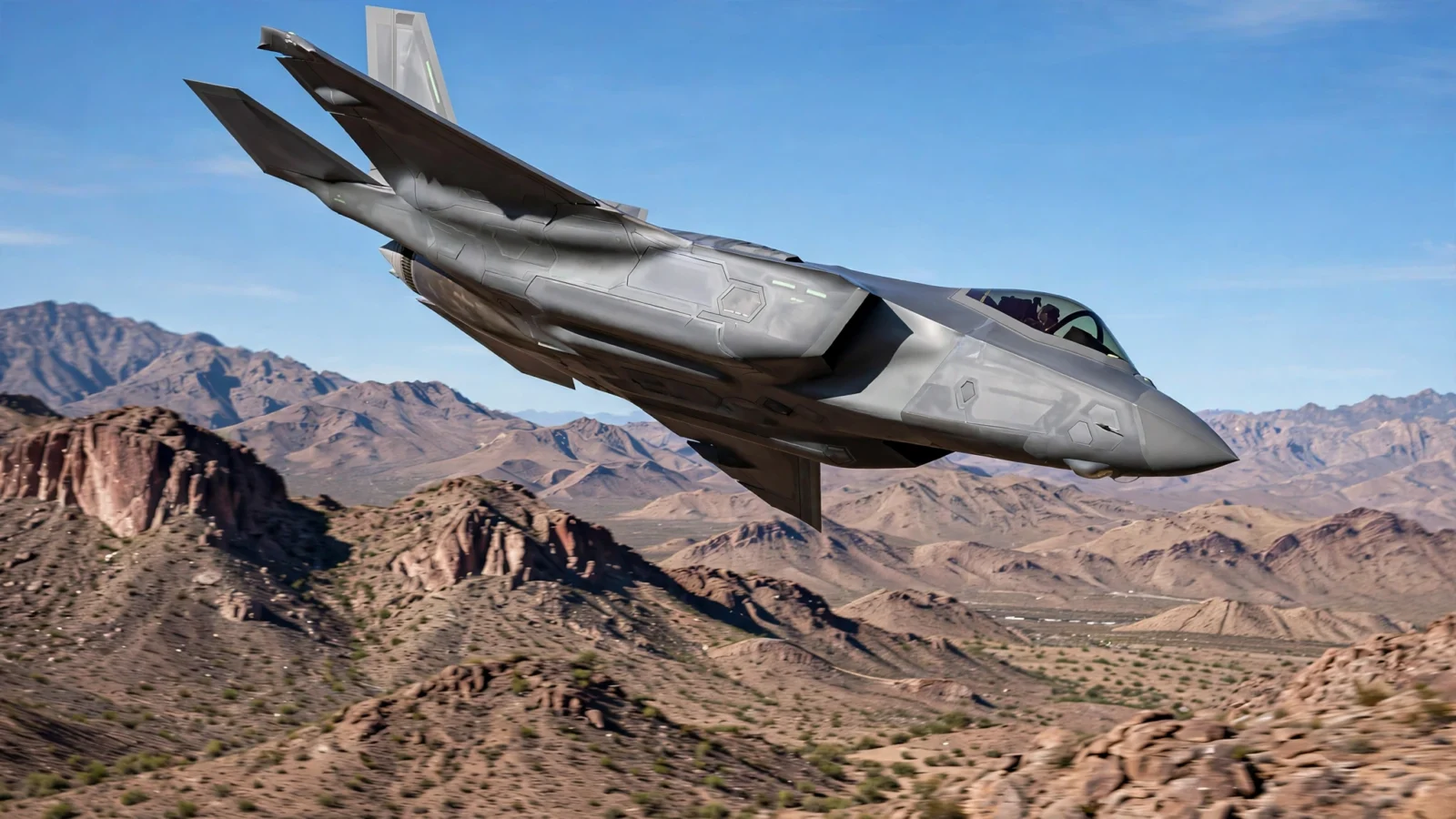
A U.S. Air Force F-22 Raptor pilot has issued in-flight tactical commands to an Anduril YFQ-44A Fury autonomous combat aircraft, the Air Force announced on October 16 — the first time a fighter pilot has directly controlled a purpose-built combat drone from the cockpit during flight.
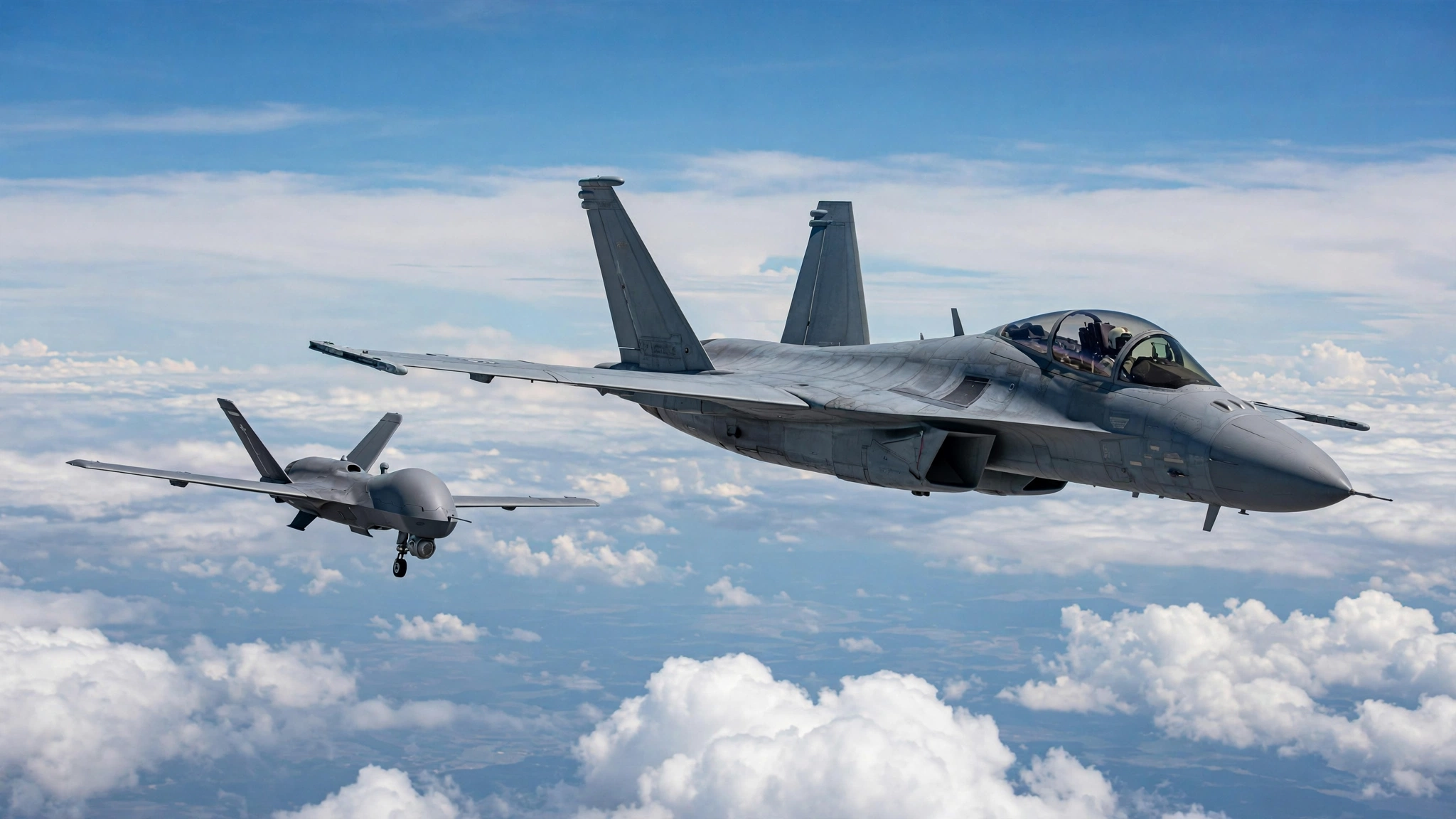
During the demonstration over California, the pilot sent high-level tactical directives to the Fury, and the drone’s onboard autonomy software interpreted the commands and carried out flight maneuvers and simulated combat tasks on its own, according to Air Data News. The pilot did not take over the drone’s flight controls; instead, he assigned objectives and tactical actions while the aircraft determined how to execute them. The test was meant to show how one pilot could employ an autonomous wingman without a separate remote operator flying the drone.
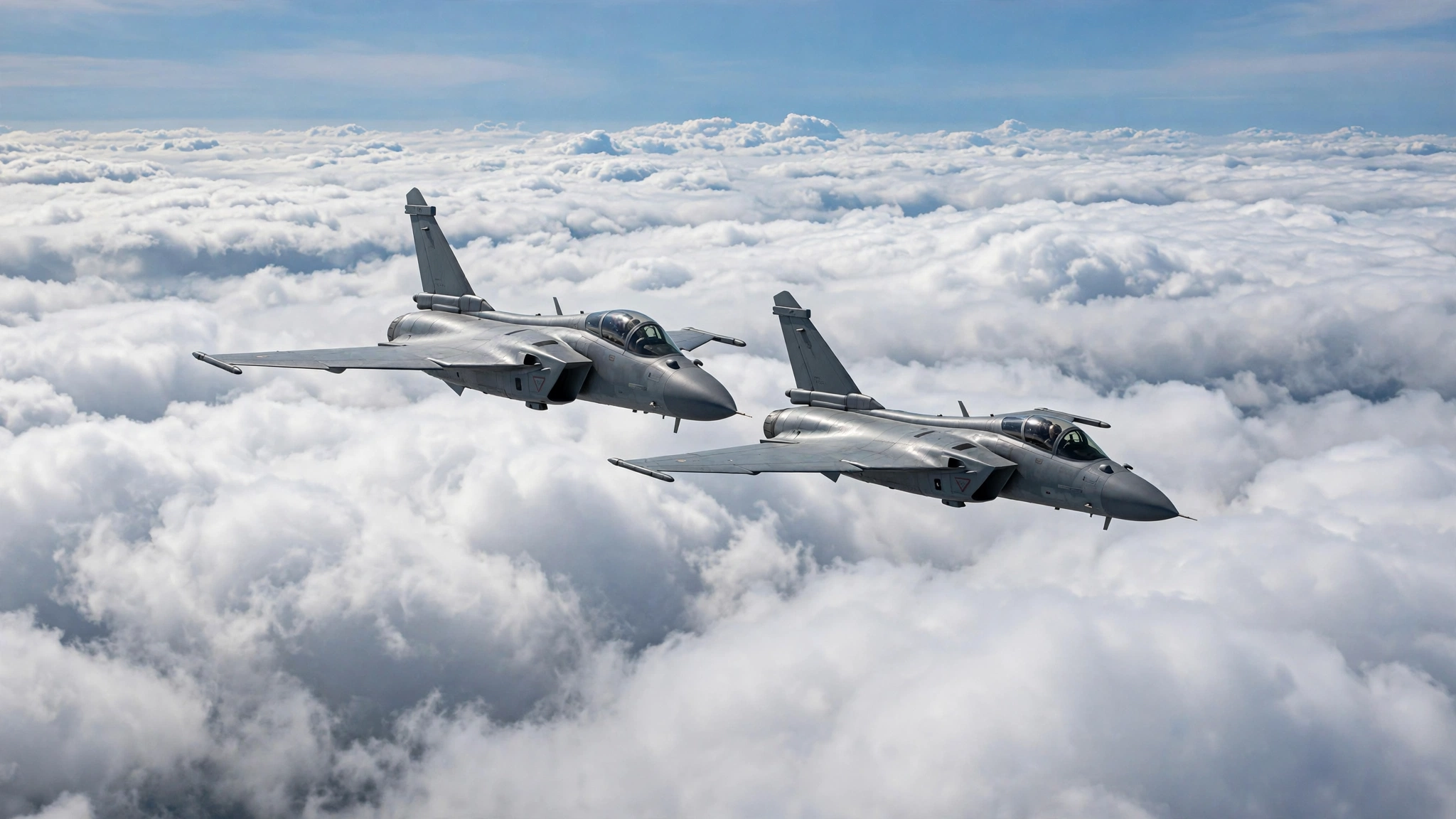
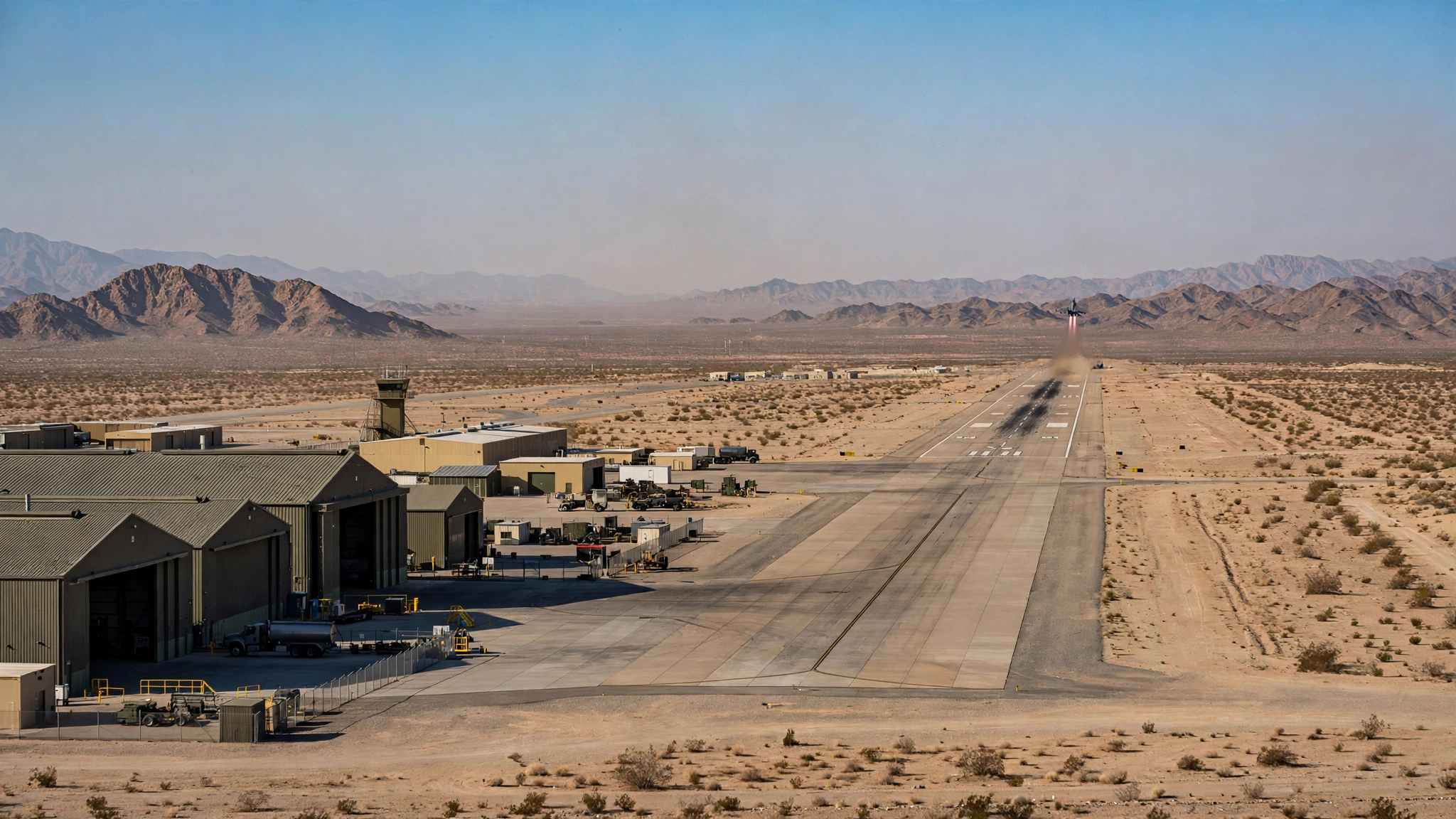
The flight took place at Edwards Air Force Base in California. It brought together the 412th Test Wing, the 422nd Test and Evaluation Squadron, the 309th Software Engineering Group, the CCA Experimental Operations Unit, the F-22 System Program Office and the CCA Software Autonomy and Teaming Branch.
First test with a purpose-built combat drone
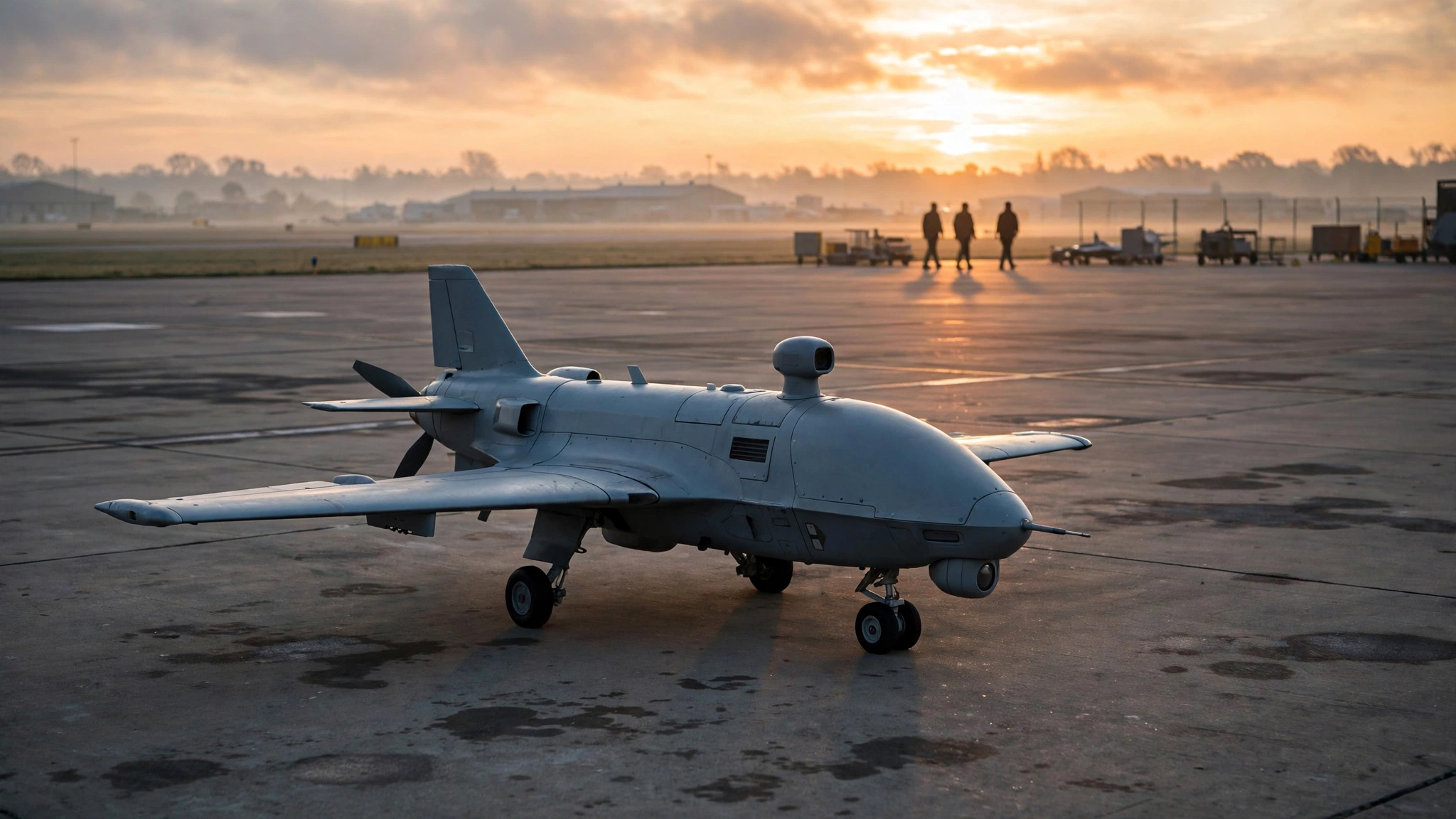
The Air Force had shown similar command technology before, but only with a stand-in. In October 2025, an F-22 directed a General Atomics MQ-20 Avenger — an aircraft standing in for a future combat drone — over the Nevada Test and Training Range using a system called the Government Reference Architecture for Collaborative Engagement. The new test moved the concept onto an aircraft built for the job: the YFQ-44A is Anduril’s Fury, one of two designs the Air Force selected for the first phase of its Collaborative Combat Aircraft program, alongside the General Atomics YFQ-42A.
The program is built around low-cost autonomous aircraft that fly alongside crewed fighters to extend their reach, sensors and weapons. The first phase centers on air-to-air missions, and the Air Force’s stated goal is 500 combat-ready semi-autonomous aircraft by 2032, growing to an eventual fleet of 1,000, according to Army Recognition. The F-22 serves as the program’s initial integration platform, and the same work is expected to shape how autonomous aircraft team with the future Boeing F-47.
Reporting based on coverage by Air Data News and AvioBlog/Army Recognition.