Nasdaq Suffers Worst Week Since June as AI Debt Fears Rattle Wall Street
The Nasdaq fell 4.5% in the week ended Friday, dragged down by heavily indebted AI infrastructure companies, hotter-than-expected inflation and $110 oil. About 70 S&P 500 companies report earnings this week as the Fed enters its blackout period.
The Nasdaq Composite fell 2.14% on Friday, closing the week down about 4.5%, its worst week since June, as investors grew anxious about the debt behind the artificial intelligence buildout, hotter-than-expected inflation and oil at $110 a barrel.
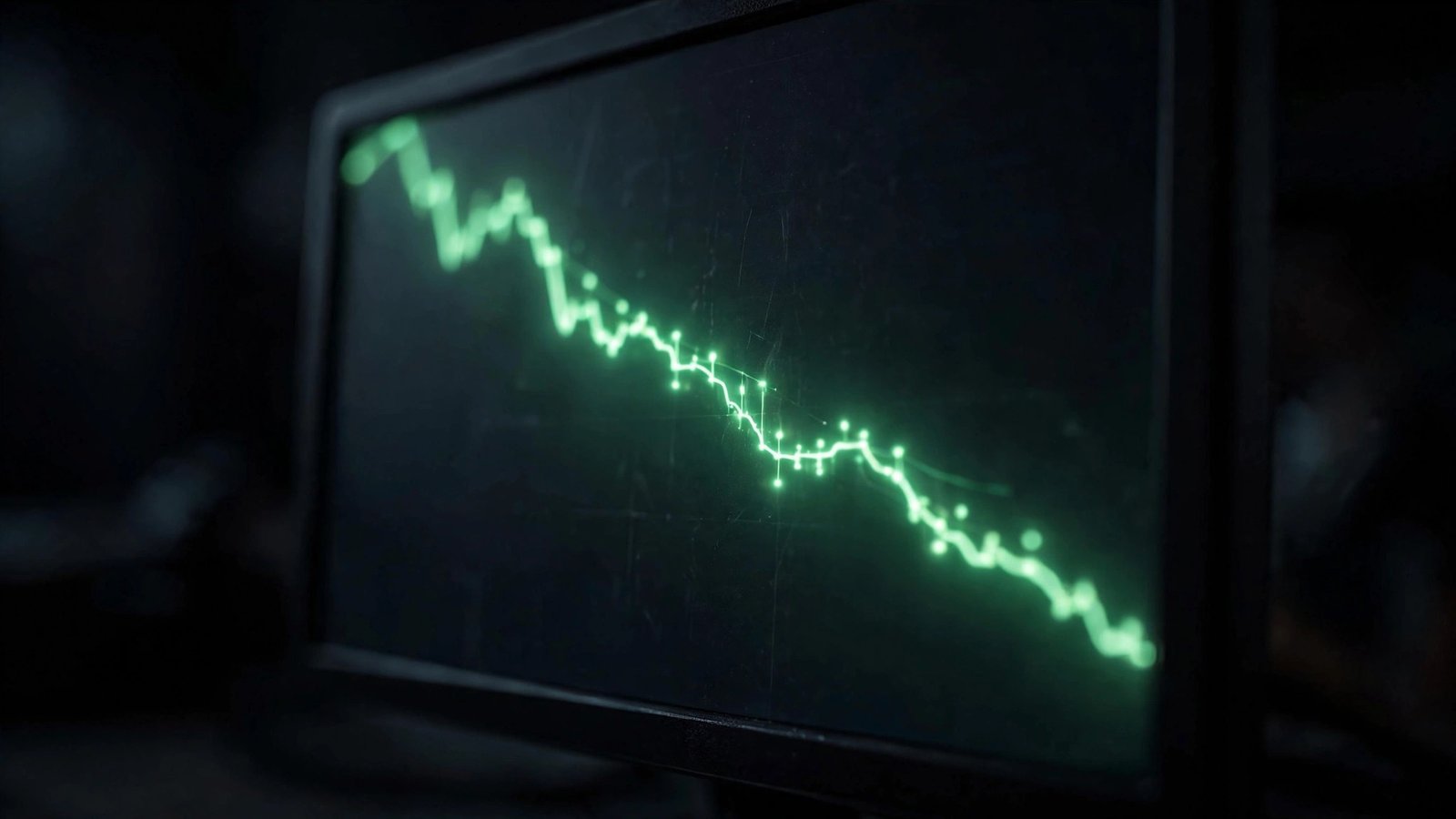
The S&P 500 dropped 1.09% on Friday for a weekly loss of nearly 2%, also its worst since June. The Dow slipped 0.3% on the day but still gained 0.7% for the week. The Nasdaq finished Friday at 26,140.03. The slide came just 10 days after the Nasdaq and the S&P 500 set record highs.
At the center of the worry are “neoclouds,” companies that rent computing power to AI firms. CoreWeave, a neocloud backed by Nvidia that went public in 2025, carries tens of billions of dollars in debt to fund its growth, and its bond yields have surged to levels that signal distress. The stock fell nearly 12% on Friday and lost about a quarter of its value for the week; it is down more than 65% from a peak reached after its March 2025 initial public offering. “It’s unclear that (CoreWeave is) going to get a sufficiently good return to pay down the debt that they borrowed,” Gil Luria, head of technology research at D.A. Davidson, told CNN. Nvidia CEO Jensen Huang defended the company to Bloomberg on Thursday, which lifted the shares that day, but the bounce faded on Friday.
Chip stocks and inflation add pressure
Semiconductor stocks fell hard too. An index of chip stocks dropped 3.8% on Friday and 11.4% for the week, its worst weekly showing since April 2025, as investors questioned whether progress by Chinese memory maker CXMT on advanced memory chips could undercut U.S. and South Korean producers. Advanced Micro Devices fell 6% on Friday, Intel 5.8%, Micron 5.6% and Broadcom 4.5%. In Asia, South Korea’s Kospi tumbled 14.5% for the week, its worst since 2008, dragged down by chip giants SK Hynix and Samsung Electronics.
Inflation added to the pressure. Consumer and wholesale price reports both came in hotter than economists expected. The Federal Reserve raised its benchmark rate by a quarter point in September to a range of 3.75% to 4%, its first increase in three years. Most traders still expect the Fed to hold rates steady this month, but CME FedWatch put the odds of a December increase at 74.3% as of Oct. 16, according to CBS News and the Associated Press. The 10-year Treasury yield held near 5.09% on Friday, and Brent crude touched $110 a barrel for the first time since May, lifting fears of more inflation.

Earnings will test the AI story
The Federal Reserve has entered its blackout period ahead of its late-October policy meeting, leaving markets without central bank commentary, Phemex News reported. Attention now turns to earnings: about 70 S&P 500 companies are scheduled to report this week, including Tesla, Meta Platforms, Western Digital and AT&T, and Netflix reports on Oct. 20.

Analysts on average expect third-quarter earnings to rise more than 30%, driven by AI-related megacaps, according to LSEG data cited by Reuters. Investors will be listening for whether the spending on AI is turning into revenue and cash, not just more borrowing. “The market sells first, asks questions later,” Thomas Martin, portfolio manager at Globalt Investments, told CNN. “That’s why you get the volatility.”
Reporting based on coverage by CNN, The Evergreen Edit and Phemex News.