Federal Law vs. State Law: What Each Covers and Which One Wins
Federal law and state law run as two separate systems in the United States, each with its own lawmakers, courts, and punishments; this explainer covers what each one handles and which one controls when they conflict.
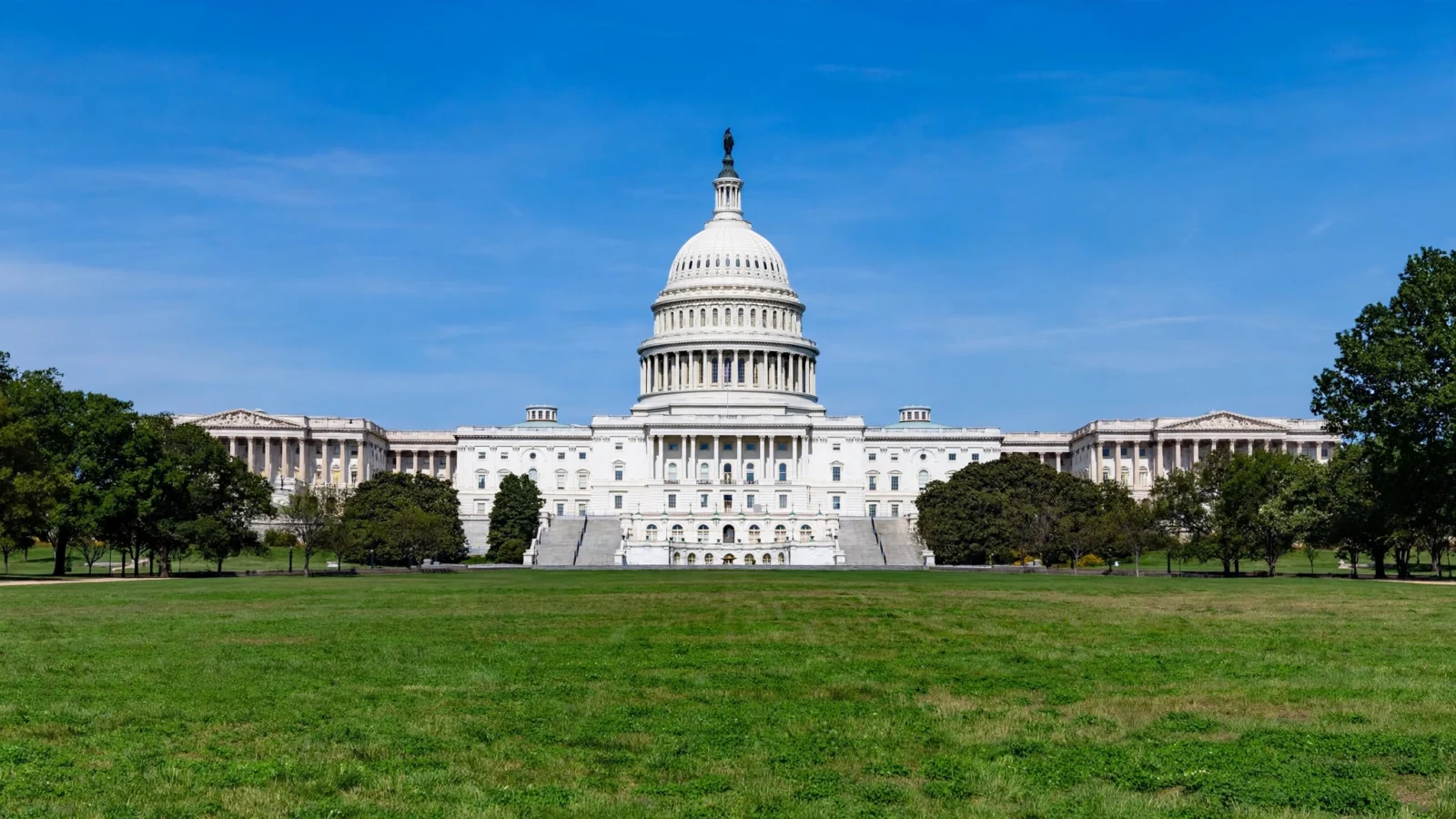
People often talk about “the law” as if it were one thing. In the United States it is really two systems running side by side: federal law, written by the national government in Washington, and state law, written by the government of each of the 50 states. Each system has its own lawmakers, its own courts, and its own punishments. The confusion is easy to understand. The same act can break both kinds of law at once, and when the two clash, one of them has to give way.
How federal law works
Federal law starts in Congress, which passes bills that the president signs into law (or that become law when Congress overrides a veto). It applies everywhere in the country, but Congress cannot pass whatever it wants. The Constitution gives it a list of specific powers in Article I, Section 8: taxing and spending, regulating trade between states, naturalization and immigration, bankruptcy, patents and copyrights, coining money, and raising and funding the military, among others. Later amendments added more, including the power to bar racial discrimination in voting and to enforce civil rights.
Federal agencies also write regulations that carry the force of law, within limits Congress sets. On the enforcement side, federal officers and prosecutors handle federal crimes: tax fraud, immigration offenses, bank robbery, interstate drug trafficking, and crimes committed on federal property. Cases go to the federal district courts, the trial courts of the national system, and are prosecuted by United States attorneys.
How state law works
States write their own laws through state legislatures and governors, under their own constitutions. Everything the Constitution does not hand to Congress, or deny to the states, is reserved for the states or the people: that is the Tenth Amendment. This leaves states with what courts call police powers, the broad authority to protect public health, safety, welfare, and morals.

Most of the law people meet in daily life is state law. State criminal codes cover offenses like burglary, assault, and shoplifting. State law also governs contracts, property and landlord-tenant rules, marriage, divorce, and child custody, traffic laws, and professional licenses. Each state runs its own court system, its own police agencies, and its own prisons, separate from the federal ones.
Where the two overlap
Sometimes one act violates both. Robbing a bank can be a state crime (robbery) and a federal crime (bank robbery under federal statute). Because the federal government and the state are separate sovereigns, the Supreme Court has held that a person prosecuted by one may still be prosecuted by the other for the same conduct without violating the Double Jeopardy Clause; see Gamble v. United States (2019).

The best-known example of conflict is marijuana. Many states allow medical or recreational use, but marijuana remains illegal under the federal Controlled Substances Act. That does not mean federal agents pursue every state-legal user, since enforcement priorities shift, but a state law cannot erase the federal one. When a state law and a valid federal law genuinely conflict, the federal law wins. The Supremacy Clause in Article VI of the Constitution says so, and judges in every state must follow it.
But federal power has a limit. Washington cannot force state officers to enforce federal law. The Supreme Court held in Printz v. United States (1997) that the federal government may not order state or local officials to carry out federal programs. So a state can decline to help with federal immigration enforcement, and that choice itself is lawful.
Federal law vs. state law: side by side
| Federal law | State law | |
|---|---|---|
| What it is | Law written by the national government in Washington | Law written by the government of one of the 50 states |
| Who writes it | Congress, plus federal agencies writing regulations within limits Congress sets | The state legislature and governor, plus state agencies acting under state statute |
| Who it applies to | Everyone in the country, wherever they are | People and businesses in that state, including visitors and companies doing business there |
| Costs of breaking it | Federal cases are brought less often but can carry long prison terms and large fines; defendants face the resources of the national government | Covers far more everyday offenses; fines and sentences vary widely from state to state and change when legislatures rewrite them |
| Strengths | One uniform rule across the country; guards rights and commerce that cross state lines | Can fit local needs and values; lets states try different approaches on their own |
| Weaknesses | One rule for 50 states can miss local conditions; federal power is distant from daily life | A patchwork: conduct legal in one state can be a crime in another, and the rules change when you move |
Which law applies to you
Both do, at the same time. In practice, the split works like this:

Think federal when the matter crosses state lines or touches a national subject: immigration, federal taxes, bankruptcy, patents, Social Security, or a crime on federal land. Think state when it touches daily life: a lease, a divorce, a traffic ticket, a lawsuit in state court, or a burglary charge.
When both cover the same act and they conflict, federal law controls. When they do not conflict, both stand, and you must obey each one on its own terms. A state can give you more protection than federal law requires, but not less where federal law sets a floor.
Explainer based on the text of the U.S. Constitution (Article I, Article VI, and the Tenth Amendment), published opinions of the U.S. Supreme Court, and the legal encyclopedia maintained by Cornell Law School’s Legal Information Institute.