Oil Rebounds Above $110 a Barrel as Hormuz Attacks Keep Shipping on Edge
Brent crude climbed back above $110 a barrel on Wednesday after two oil tankers caught fire in the Strait of Hormuz, with falling U.S. inventories and record tanker rates adding to the pressure.

Oil prices climbed again on Wednesday, pushing Brent crude back above $110 a barrel as fresh attacks on tankers in the Strait of Hormuz kept traders on edge and U.S. inventory data pointed to tightening supplies.
December Brent crude futures rose 1.3% to $110.19 a barrel, while December West Texas Intermediate futures gained 1.2% to $98.97, according to The Wall Street Journal. The rebound followed a volatile Tuesday session in which Brent briefly topped $111, its highest level since May, before reversing as investors weighed the prospects of new U.S.-Iran diplomacy. The rally extends a run that has held oil prices near five-month highs as Iran asserts control over the waterway.
Shipping risks stayed in focus after Iran’s Islamic Revolutionary Guard Corps said Tuesday that two oil tankers caught fire after striking mines south of the Strait of Hormuz. The Saudi-led coalition said Wednesday that it had intercepted drones launched toward the kingdom, including one aimed at the Eastern Province, a major oil-producing region.
Inventories fall as freight rates hit records
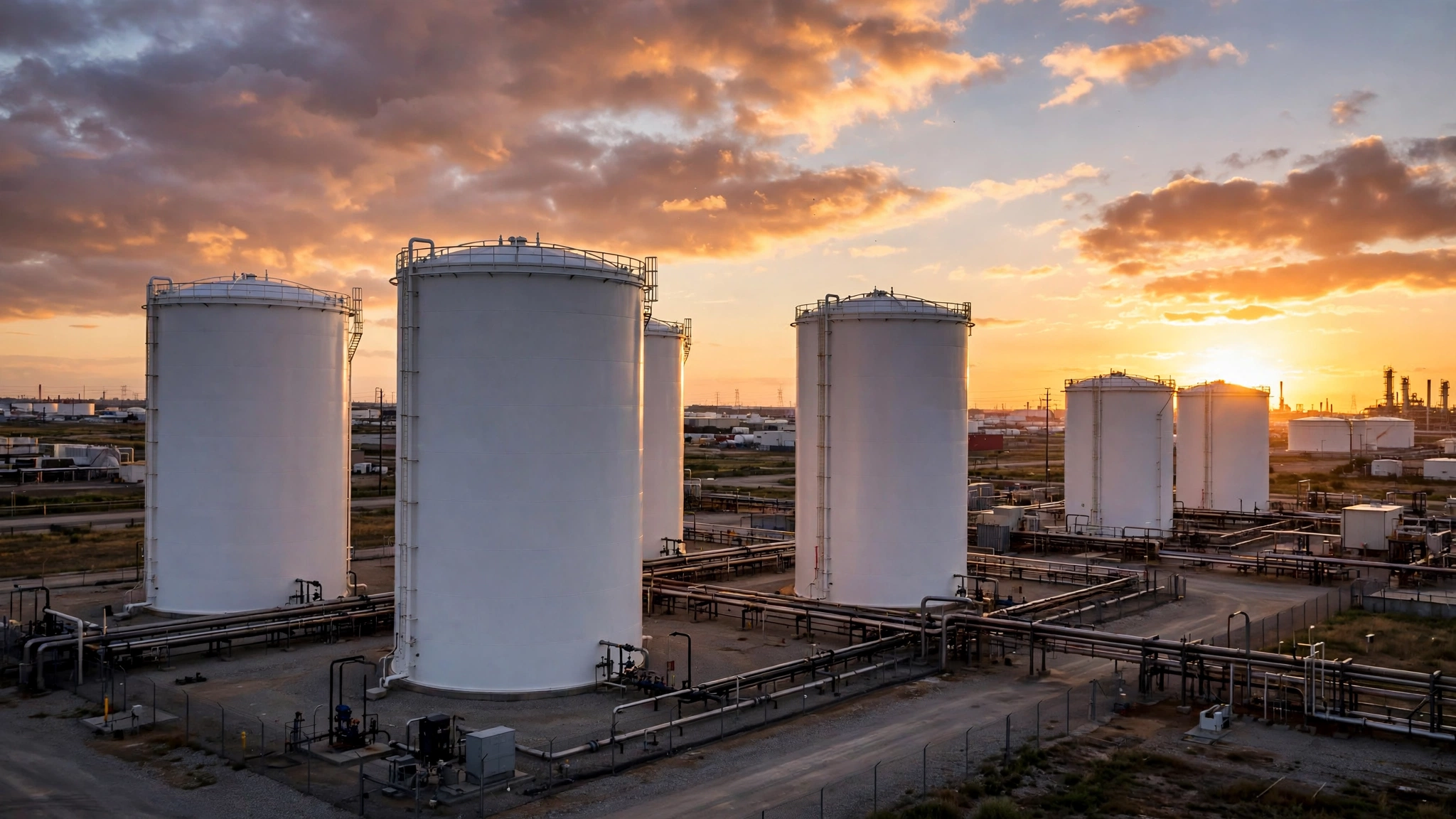
U.S. stockpiles are thinning. Data from the American Petroleum Institute showed crude inventories fell by 4.9 million barrels last week, the third straight weekly decline, with draws in gasoline and distillate stocks as well, according to Barron’s. Official Energy Information Administration figures were due later Wednesday.
Physical flows through the region have largely held up. Middle East oil shipments averaged more than 24 million barrels a day in the week through Oct. 18, above the prewar level of 23.3 million barrels a day, according to Kpler data cited by the Journal. About 40% of Gulf shipments now bypass the strait, up from 17% before the war, as Saudi Arabia and the United Arab Emirates make greater use of pipelines.
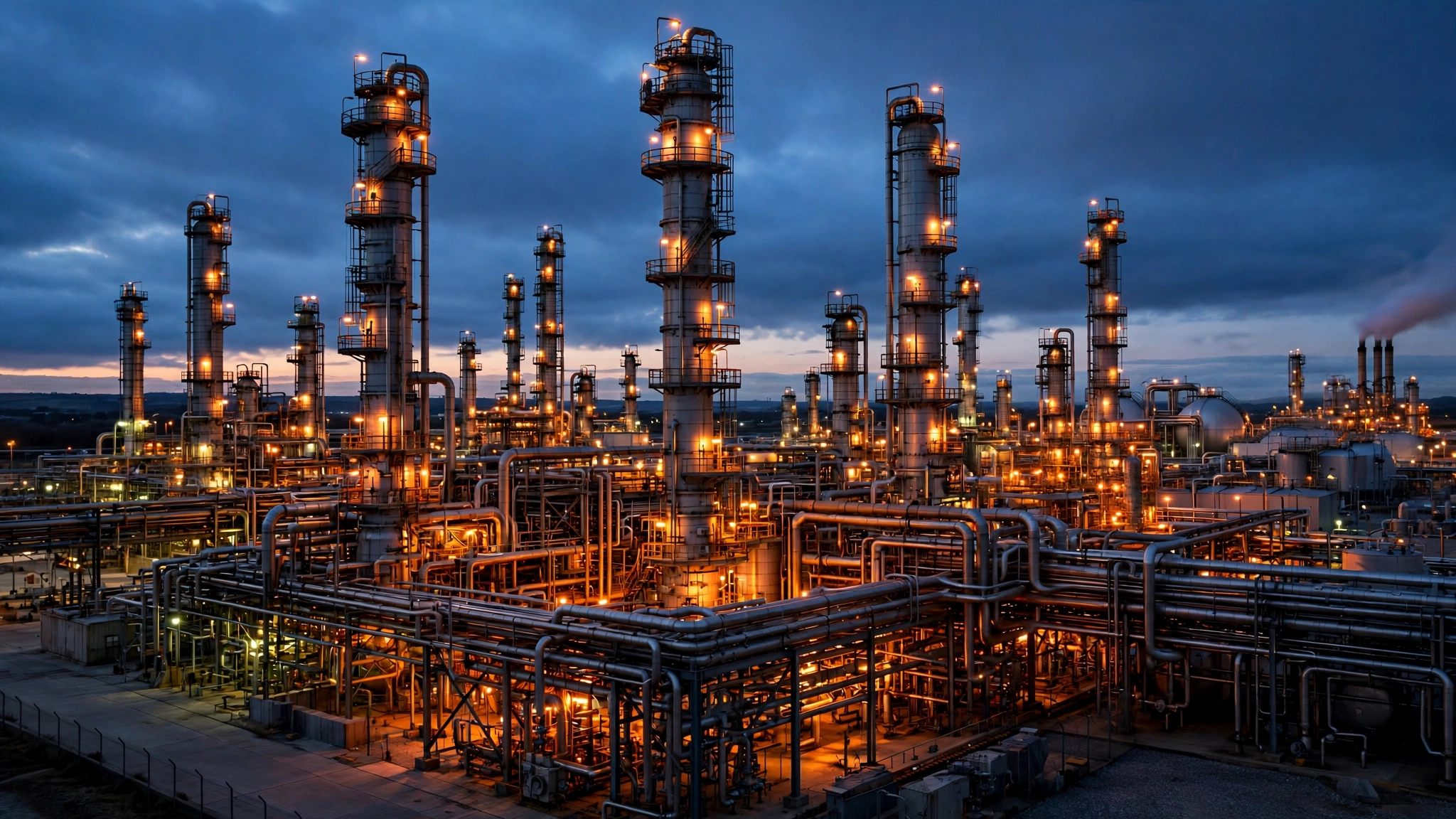
Refined products are recovering more slowly. The International Energy Agency says Middle East refined-product exports remained below prewar levels, at 1.9 million barrels a day in September against 4.7 million before the conflict, and expects tight diesel supplies to persist well into 2027. Analysts at ING said elevated shipping costs and record tanker freight rates continue to support oil prices.
Diplomacy continues, inflation worries grow
Diplomatic efforts to end the conflict are continuing. Qatar’s Foreign Ministry said Tuesday that contacts, visits and exchanges of messages between Washington and Tehran remained ongoing, amid efforts to reopen the strait and end the regional escalation.
“Oil markets have held onto their recent gains, shaking off headlines on the diplomatic stance between Iran and the U.S.,” said Soojin Kim, an analyst at MUFG.

The rally is feeding inflation concerns. Barron’s noted that the CME FedWatch tool is showing an 88% chance of a rate hike by the end of the year on sticky inflation, a problem for central banks already caught between rising energy costs and fragile growth.
Reporting based on coverage by The Wall Street Journal and Barron’s.