France to Deploy Troops Ahead of Saturday Protests After Admitting Security Failures
Prime Minister Sebastien Lecornu promised a massive security operation after October 17 riots and looting in Paris, Marseille and Lyon left at least 3,000 shops damaged and thousands arrested.
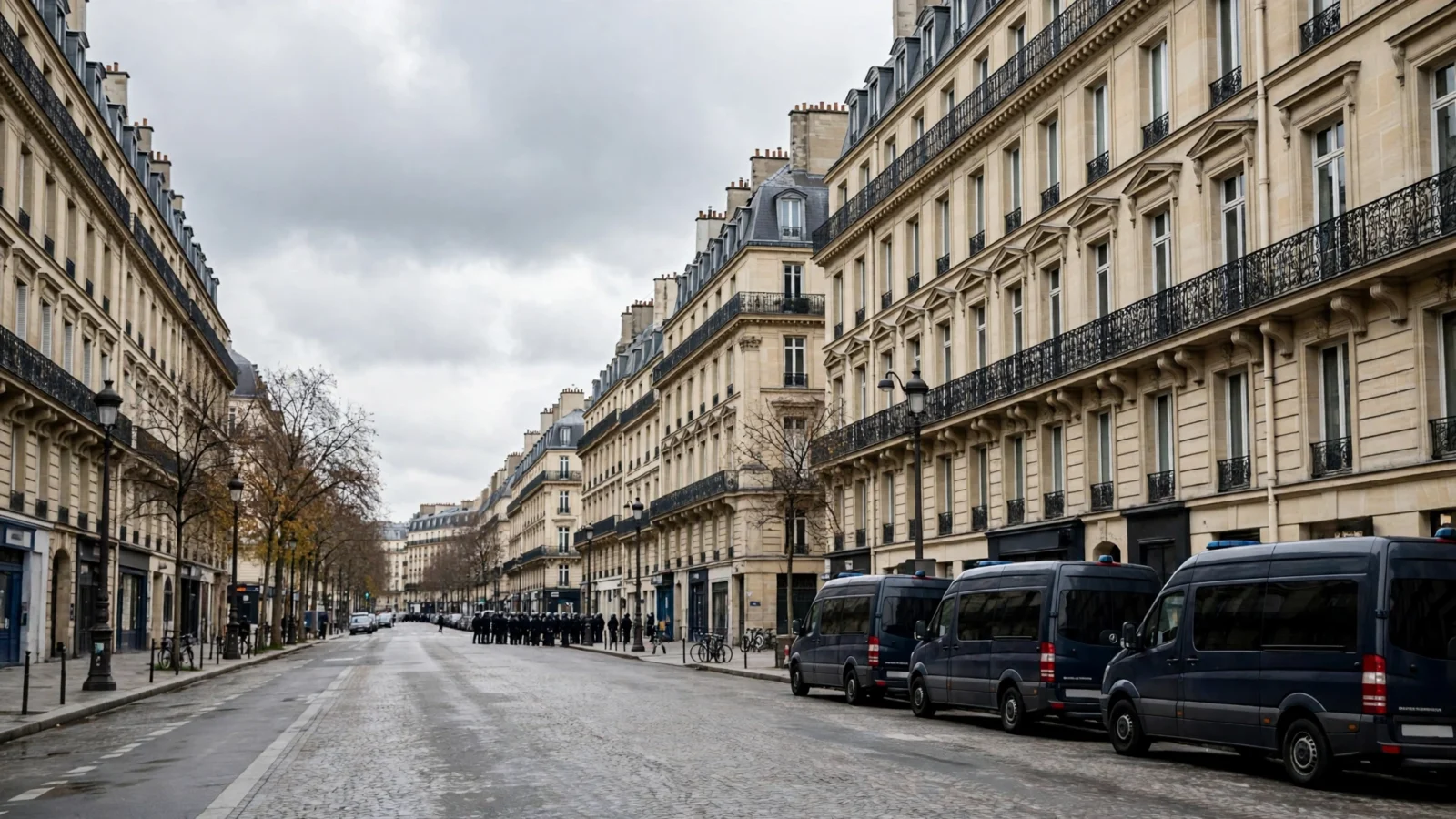
France will deploy military personnel alongside police and launch a large-scale security operation ahead of further protests scheduled for Saturday, as the government acknowledges shortcomings in its response to last weekend’s violence.
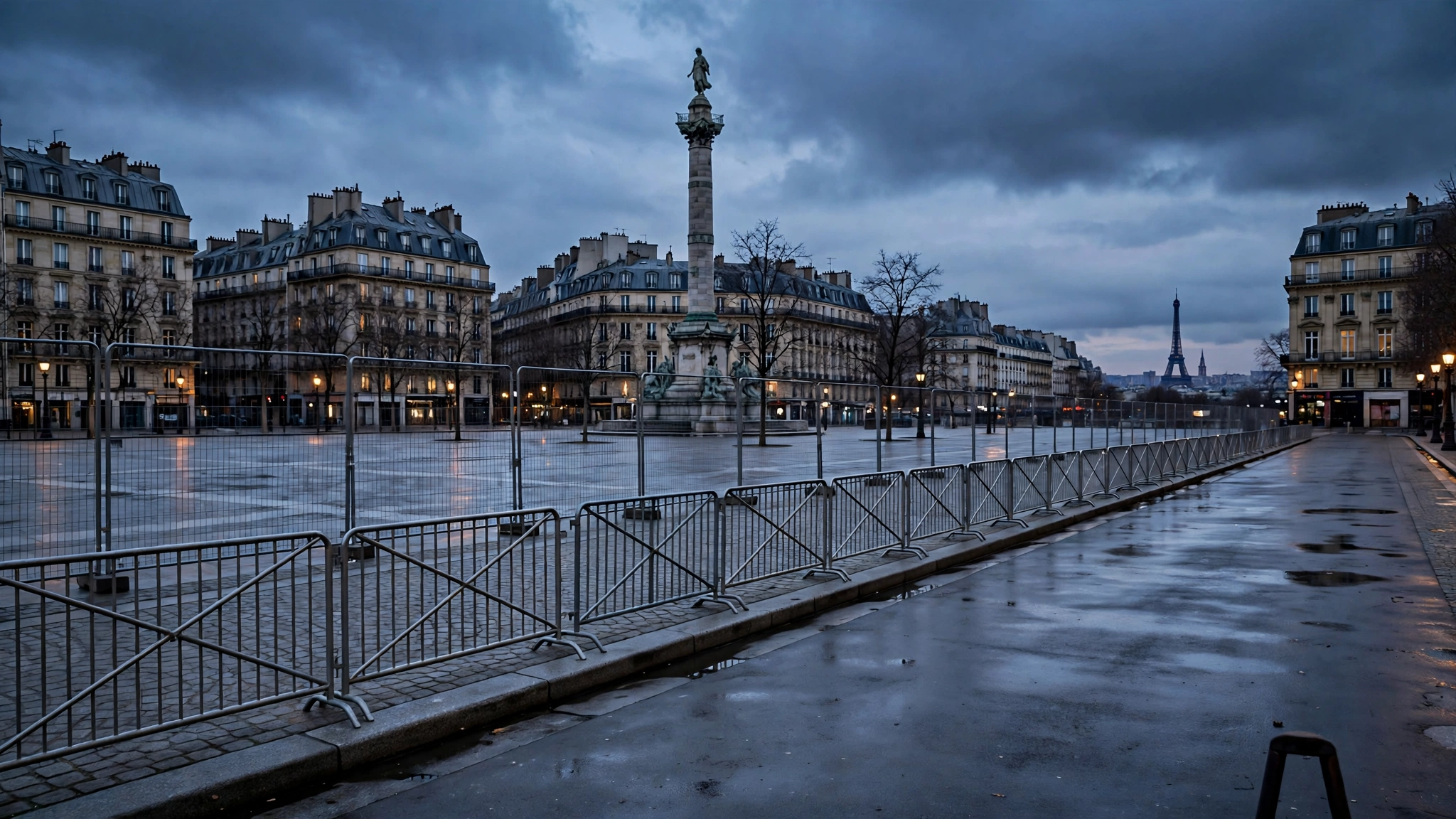
Prime Minister Sebastien Lecornu announced the plan on Tuesday after riots and looting affected Paris, Marseille, Lyon and other cities on October 17. “The deployment next Saturday will be massive,” Lecornu said, calling the restoration of public order the government’s immediate priority.
During a sometimes heated parliamentary debate, Interior Minister Laurent Nunez confirmed that troops would support police operations. The government also pledged to revise its security tactics after facing widespread criticism that city centers had been left exposed to violence and looting.
Lecornu described the situation as a choice “between violence and the Republic” and blamed far-left groups for the unrest. Those groups have, in turn, accused the government of overlooking public anger over rising living costs and deteriorating public services.
Government admits the response fell short
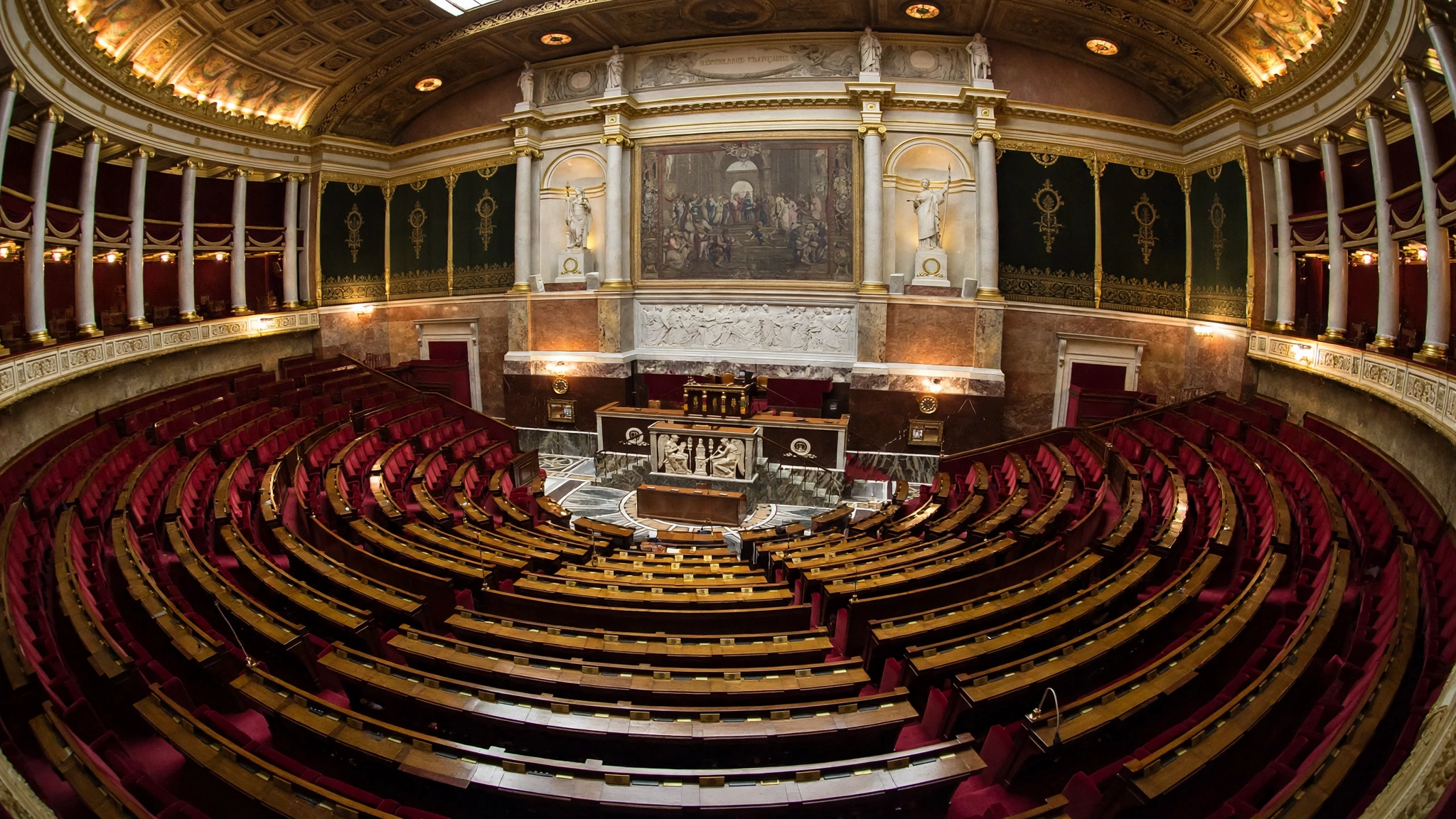
The announcement marked an unusual admission from the government. Lecornu said the state’s response had fallen short, citing intelligence failures and police deployments that were too static. He also said authorities had made a mistake by failing to cancel planned police leave.
Nunez apologized and accepted responsibility for his part in the response. “I deeply regret what happened. I accept my share of responsibility,” he said.
According to tob.news, the government estimated that around 550,000 people took part in the October 17 demonstrations; organizers put the turnout at 800,000. Some protests descended into violent clashes, and official figures showed that at least 3,000 shops were looted across the country.
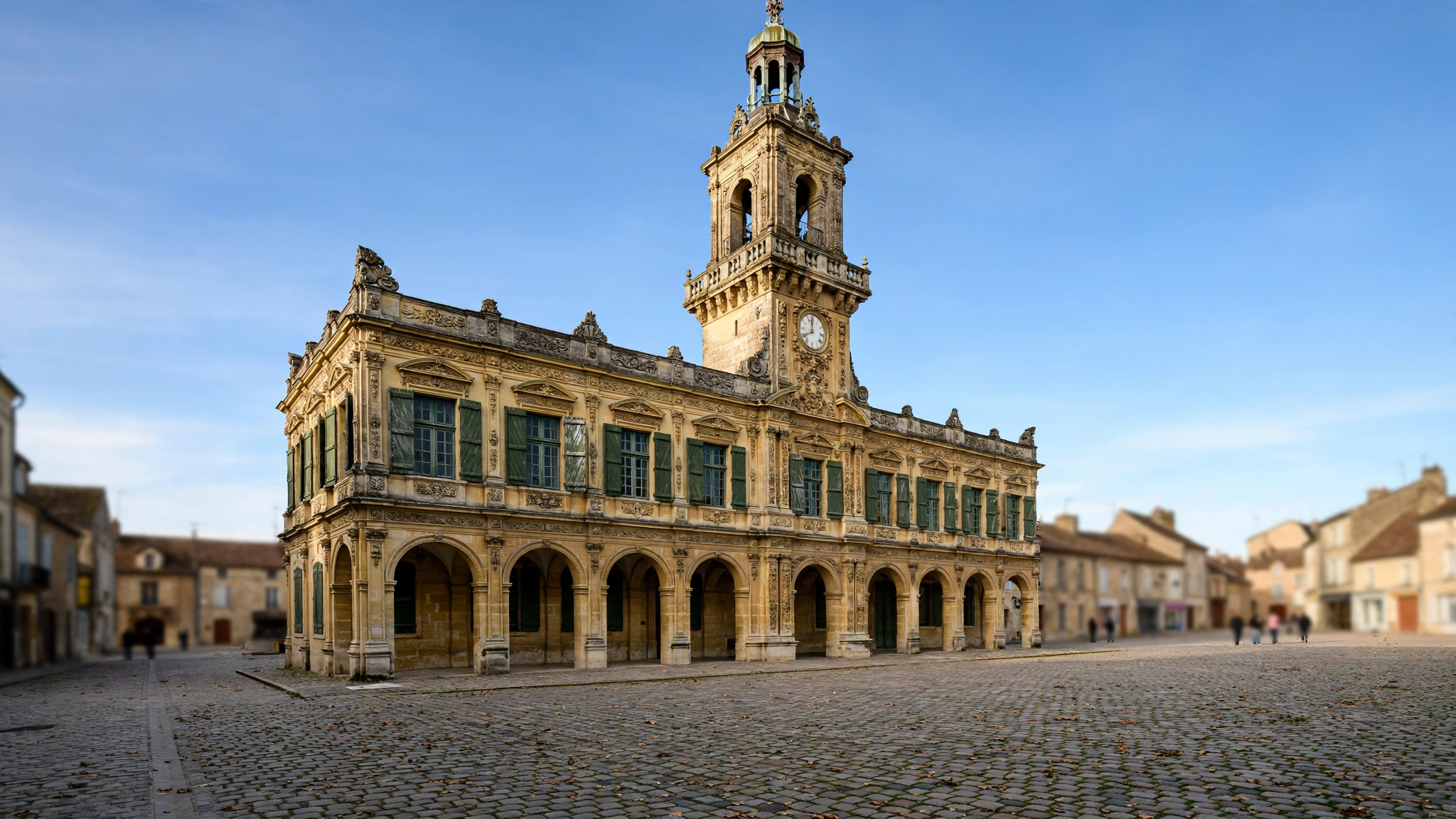
Parliament is establishing a commission of inquiry to investigate the causes of the unrest, and authorities have assigned 200 investigators to identify and track down those involved in the street violence. Police arrested a man on Tuesday suspected of starting a fire that destroyed a historic town hall in Limoges; officials said the suspect had been on a security watch list and was affiliated with an ultra-left group.
Targeted curfews in several areas have been extended through Tuesday night, and police confirmed the restrictions had helped restore calm after a relatively quiet night. Some curfews specifically targeted children and teenagers under 18.
Unrest rattles markets and retailers
The unrest has also reached financial markets. French borrowing costs climbed further on Tuesday as investors assessed the risk of renewed unrest. The yield on benchmark 10-year government bonds reached its highest level in 24 years; for more on how the debt worries were already mounting, see France’s 10-year bond yield topping 5% earlier this week.
Supermarket chain Carrefour said theft and property damage had cost it tens of millions of euros, describing the disruption as an “unprecedented situation.”
France’s main student union, UNEF, has called for further demonstrations on Saturday over what it describes as a deteriorating and underfunded education system under President Emmanuel Macron’s government. Separately, groups identifying themselves as “Gilets Jaunes,” or Yellow Vests, announced plans for protest actions over rising fuel costs.
The renewed unrest comes as France faces mounting budgetary pressures, and political tensions are building ahead of next year’s presidential election, with candidates from both the far right and the hard left performing strongly in opinion polls, tob.news reported.
Reporting based on coverage by tob.news.