Iran Says Two Supertankers Hit Mines and Caught Fire Near Strait of Hormuz as Attacks Reach Wartime High
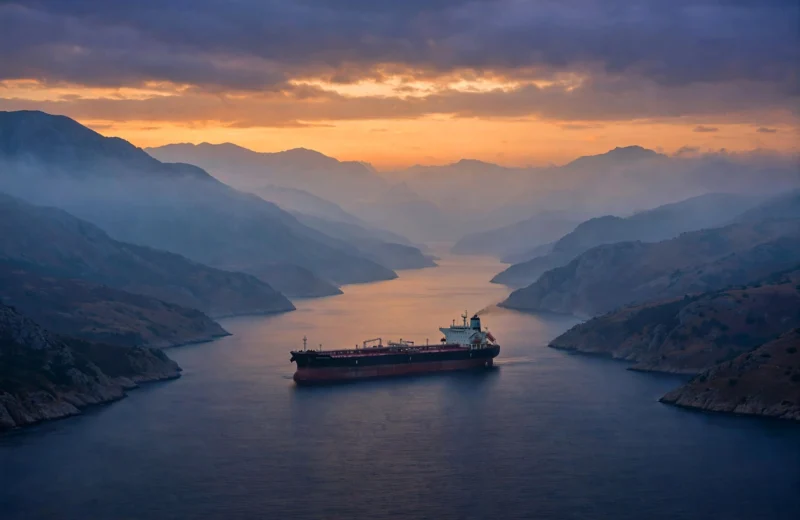
Iran's Revolutionary Guard Navy said two supertankers exploded after striking naval mines east of the Strait of Hormuz on Sunday, as maritime data shows attacks on shipping in the waterway have risen to their highest level since the war with the United States and Israel began in February.
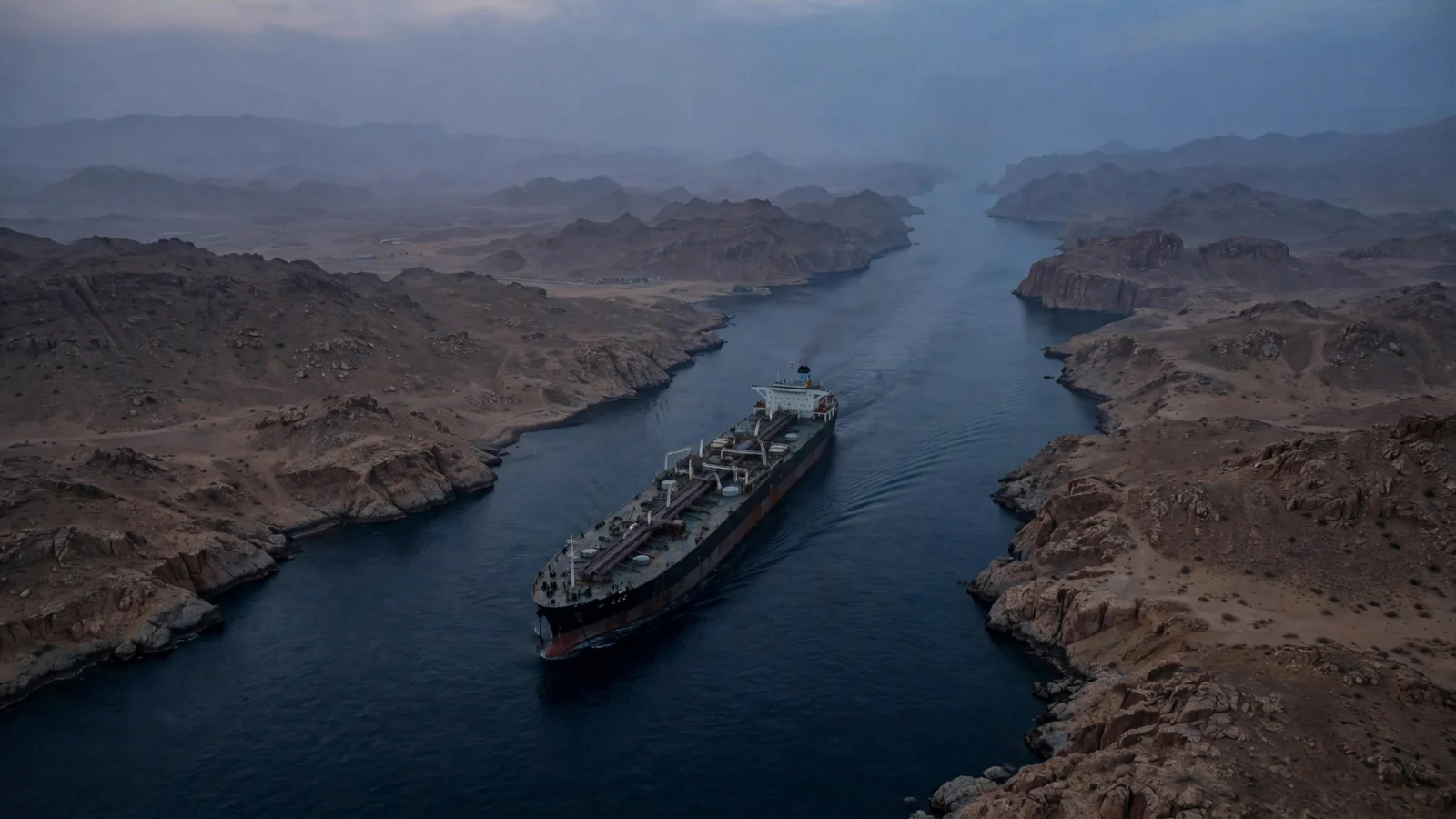
Iran said on Sunday that two supertankers exploded and caught fire after striking naval mines east of the Strait of Hormuz, the latest in a run of attacks on commercial shipping that maritime data shows has reached its highest level since the war began in late February.
The Islamic Revolutionary Guard Corps Navy said in a statement carried by the Tasnim news agency on Sunday night that the two vessels had been sailing through routes it had barred and struck mines near Ghannam Island, east of the strait. Both tankers exploded and were forced to stop, the statement said. Earlier on Sunday, the Iranian Army Navy said two tankers caught fire after striking mines in a prohibited area east of the strait before noon, after switching off their identification and navigation systems and ignoring repeated warnings.
Iran gave no vessel names, flags or casualty figures, and the claims have not been independently verified. The United States military has said it cleared all mines from the main routes through the waterway.
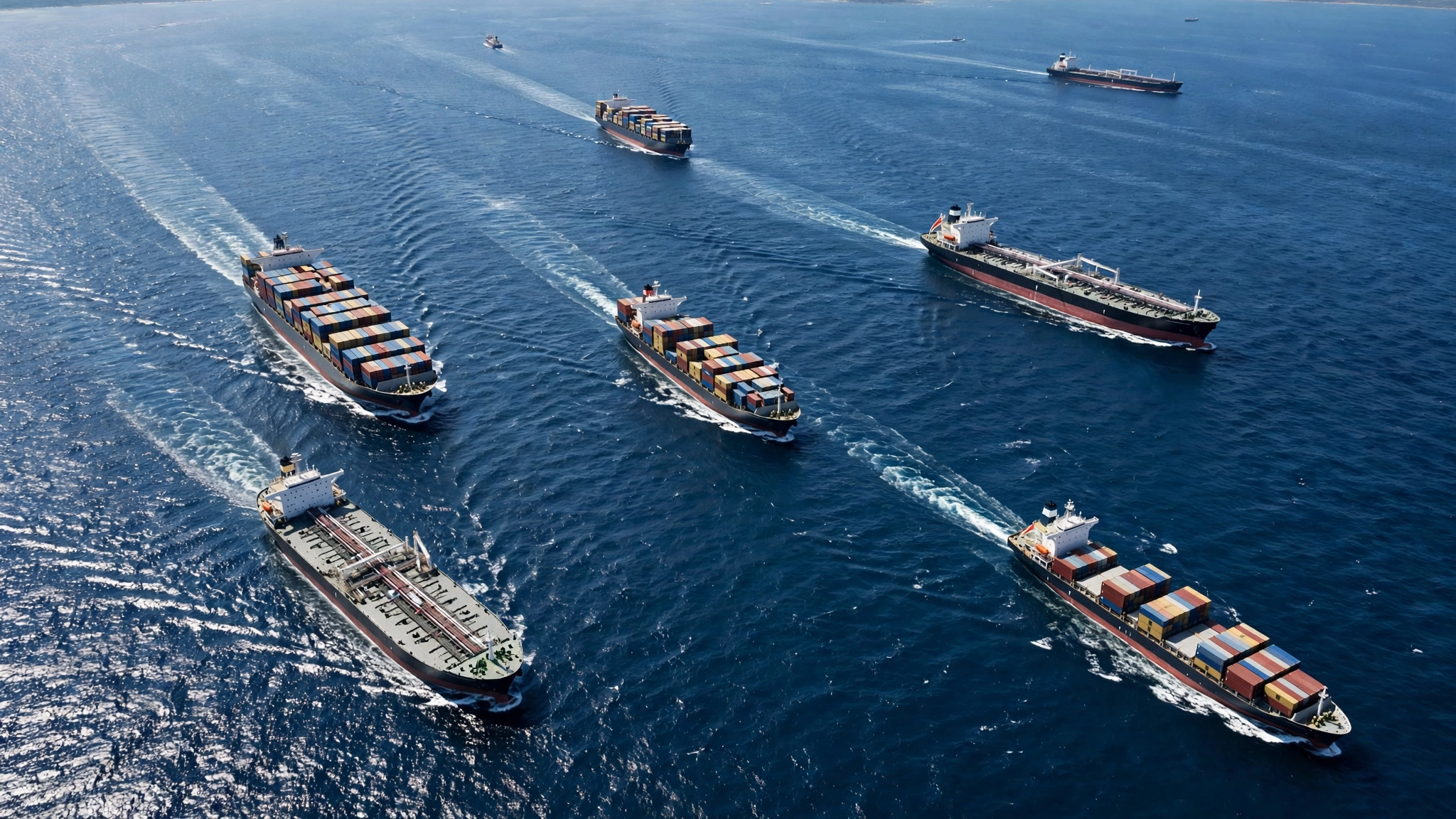
Attacks at their highest level since February
Reported attacks on shipping in and around the strait topped 30 in October, the first month above that mark since the war began, according to a CNN analysis of data from the United Kingdom Maritime Trade Operations Centre. At least 22 attacks were reported in November as of Sunday, the second-highest monthly figure of the war. Before October, the monthly average was about 10.
The maritime monitor said its figures were likely an undercount, because it reports only incidents verified through primary sources. “Additional incidents are known but cannot be independently verified,” the centre said in its weekly overview published on Friday.
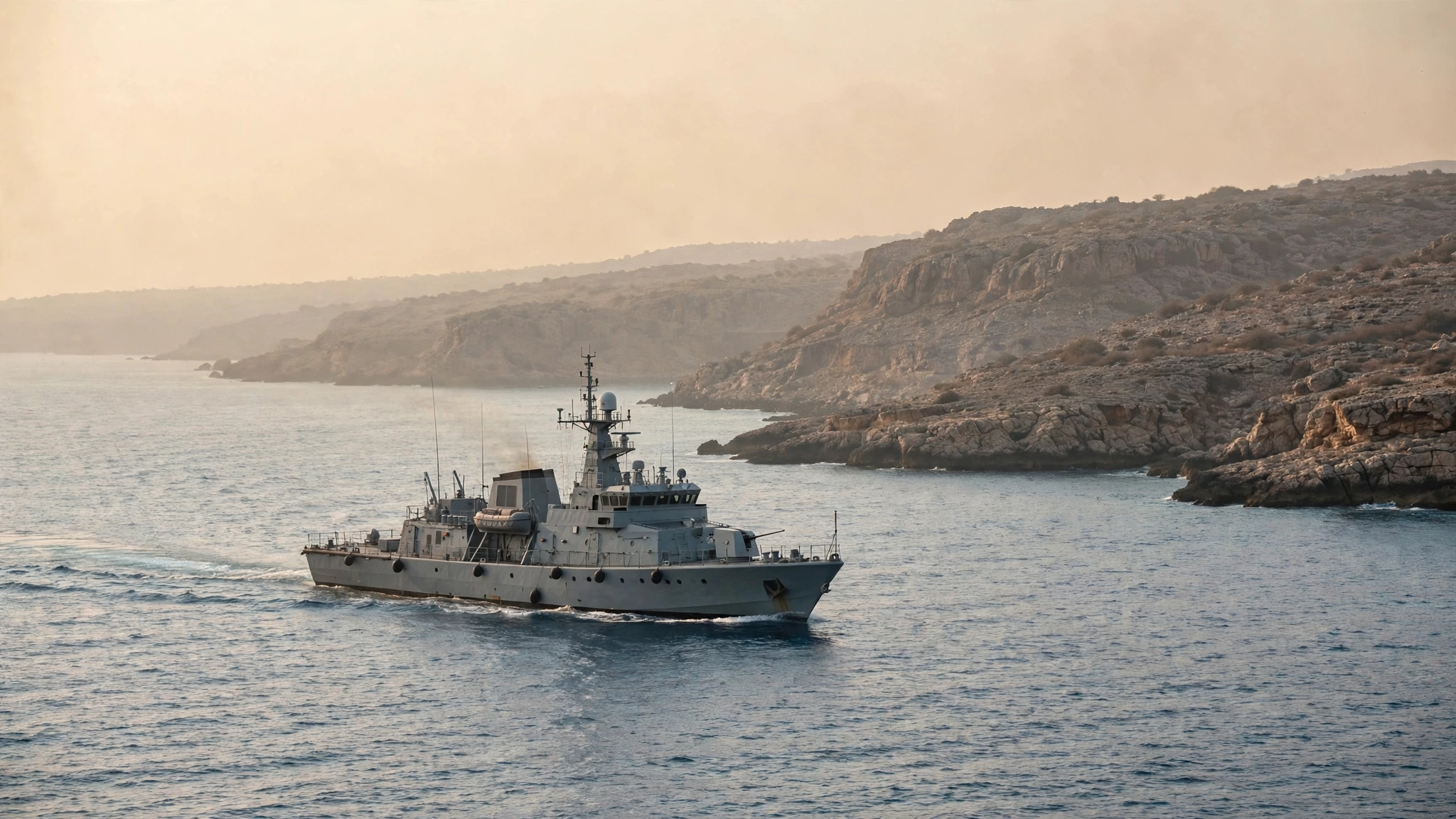
Three tankers were struck as they left the strait on Friday and Saturday, according to Marisks, a maritime risk management company. Fire broke out on the Captain Leon, a Marshall Islands-flagged chemical and oil tanker, after it was hit at the bow on Friday morning. The Torkel, a Hong Kong-flagged crude oil tanker, caught fire after being hit in the stern early Saturday, and the Arina, also Hong Kong-flagged, was struck in the engine room by a missile less than an hour later. Marisks said Iranian involvement was “assessed as likely” but did not confirm who was behind the attacks. All crew on the Captain Leon were reported safe.
A waterway under pressure, and talks that have stalled
The strait carried about a fifth of the world’s oil before the war, and commercial traffic through it remains below the 2025 level, CNN reported. Iran has sought to halt traffic through the waterway since the United States and Israel attacked Iran in late February, while the United States has imposed a blockade on Iranian ports and escorted ships through the strait. U.S. Central Command said it helped Gulf countries export 1.5 billion barrels of oil through Hormuz since the summer.
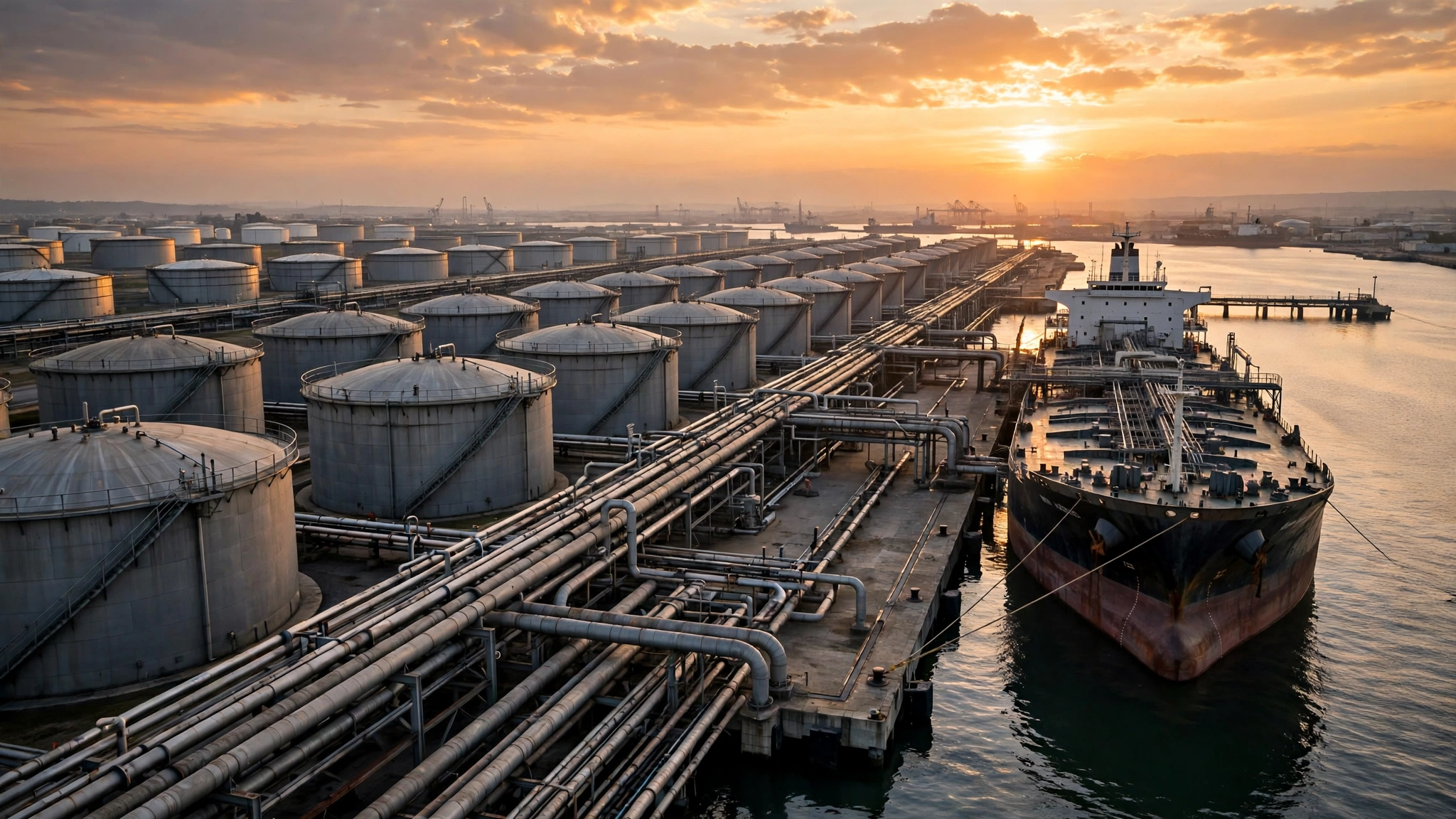
Iran’s oil revenues are under strain. Maritime data firm Kpler reported in late October that Iranian oil held on tankers outside the blockade zone had fallen to zero, and that the country’s oil revenues could drop to zero by mid-December.
President Donald Trump said this month that the United States does not need a deal with Tehran and has said he would not hesitate to resume military strikes on Iran if necessary. “We don’t need a deal with Iran. Those days have long since passed!” Trump wrote on Truth Social. “We’ve got their money, Hundreds of Billions of Dollars, and we’ve got their Strait!”
Diplomacy has not advanced. A delegation from Qatar visited Tehran on Friday and held two hours of talks, Iranian Deputy Foreign Minister Kazem Gharibabadi said on Saturday, without giving details. Foreign Minister Abbas Araghchi said talks in the region “must be given a chance” and that the blockade “must be lifted rationally,” while adding that Iran would not discuss opening the strait until its demands were met. Those demands include ending the war, unfreezing Iranian assets, lifting oil sanctions and ending the American counter-blockade of Iranian ports.
Reporting based on coverage by CNN, the South Asian Times and Press TV.