Mamdani Signs Law Ending New York City’s Horse-Drawn Carriage Industry by 2028
Mayor Zohran Mamdani signed Romanch's Law on Thursday, phasing out horse-drawn carriages in New York City by June 1, 2028. The drivers' union filed a federal lawsuit within hours to block it.
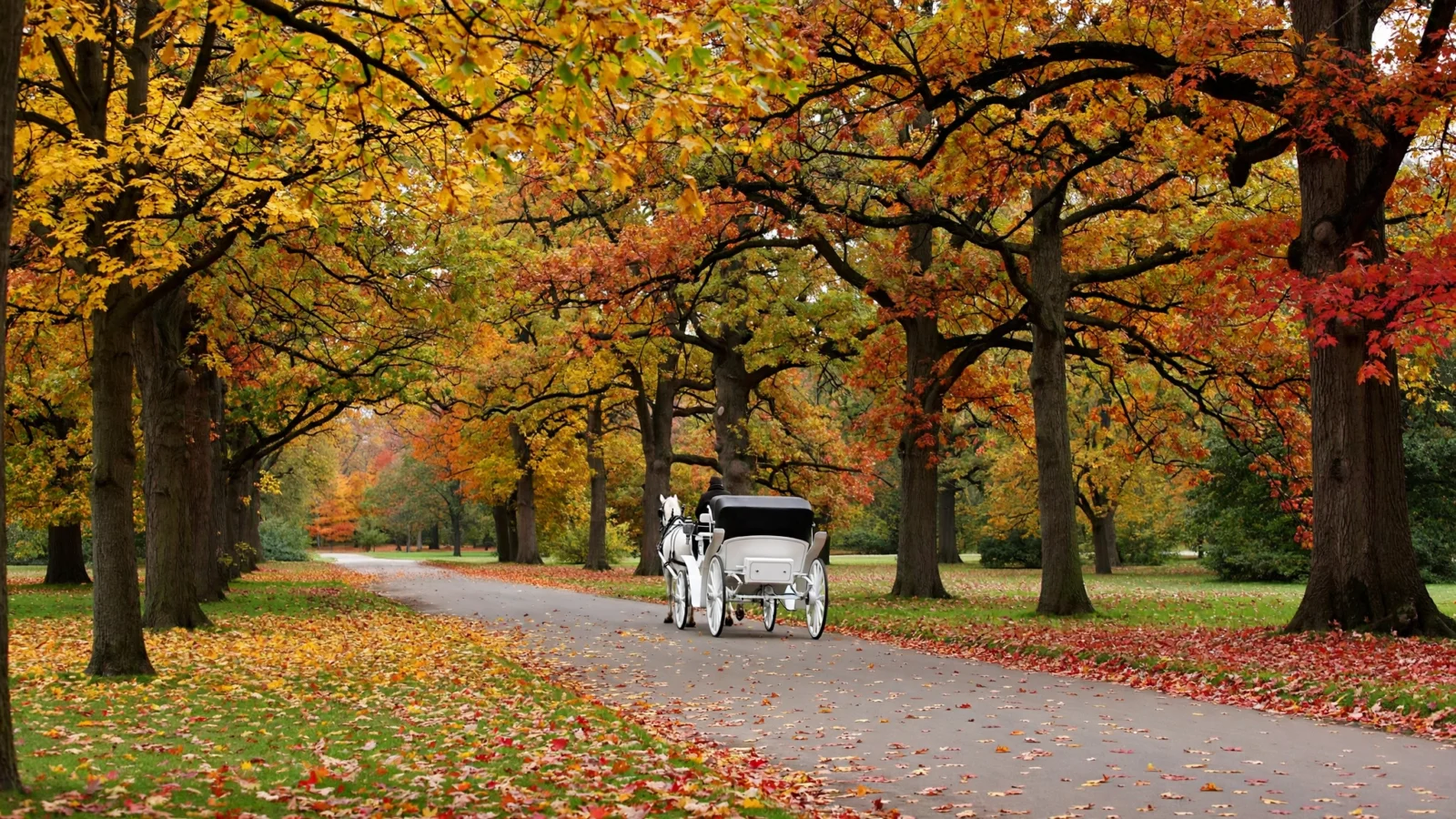
Mayor Zohran Mamdani signed a law on Thursday ending New York City’s horse-drawn carriage industry, closing a chapter that began in Central Park more than 160 years ago.
The law, known as Romanch’s Law, requires horse-drawn carriages to stop operating on city streets by June 1, 2028. It is named for Romanch Mahajan, an 18-year-old tourist who died on June 17 after being thrown from a runaway carriage in Central Park.

The City Council approved the bill on Oct. 22 in a 40-7 vote. Council Member Christopher Marte sponsored it. Mamdani signed it at City Hall on Thursday, with Mahajan’s parents at his side.
“For generations, horses lived and worked here in New York City,” Mamdani said at a news conference. “Our city has changed and now it is time for our laws to change too.” He said he signed the bill with a “deep sense of gratitude and obligation to the more than 200 New Yorkers who make up the horse carriage industry today.”
What the law does for workers and horses
About 200 New Yorkers work in the industry, including medallion owners, carriage drivers and stable hands. The city plans to release a full transition plan by April 2027 that includes buybacks of carriage medallions, stipends for drivers and stable hands to attend workforce training, and career counseling.
City Hall will also set up a Horse Carriage Worker Industry Program with NYC Talent and the Department of Small Business Services to offer job training, tuition help and help starting a business. The mayor also ordered a study of electric carriages and electric pedal-assist bicycles as possible replacements in Central Park.
Under the law, the horses cannot be slaughtered. Sanctuaries and rescue groups are ready to take them in, according to the Mayor’s Office of Animal Welfare, and the city’s Department of Mental Health and Hygiene will oversee where each horse is placed.
Union files suit
The Transport Workers Union, which represents the drivers, filed a federal class-action lawsuit in Manhattan on Thursday, minutes after the signing, seeking to overturn the law. Union president John Samuelsen called the bill “a train wreck of constitutional and due process violations” and said it “offers nothing concrete for blue-collar drivers and carriage owners who will be financially crushed.”
The union argues the law strips owners of medallions they bought for hundreds of thousands of dollars without guaranteed compensation, Samuelsen said. Its lawyers are also seeking a temporary restraining order, since medallions can no longer be bought or sold under the law.
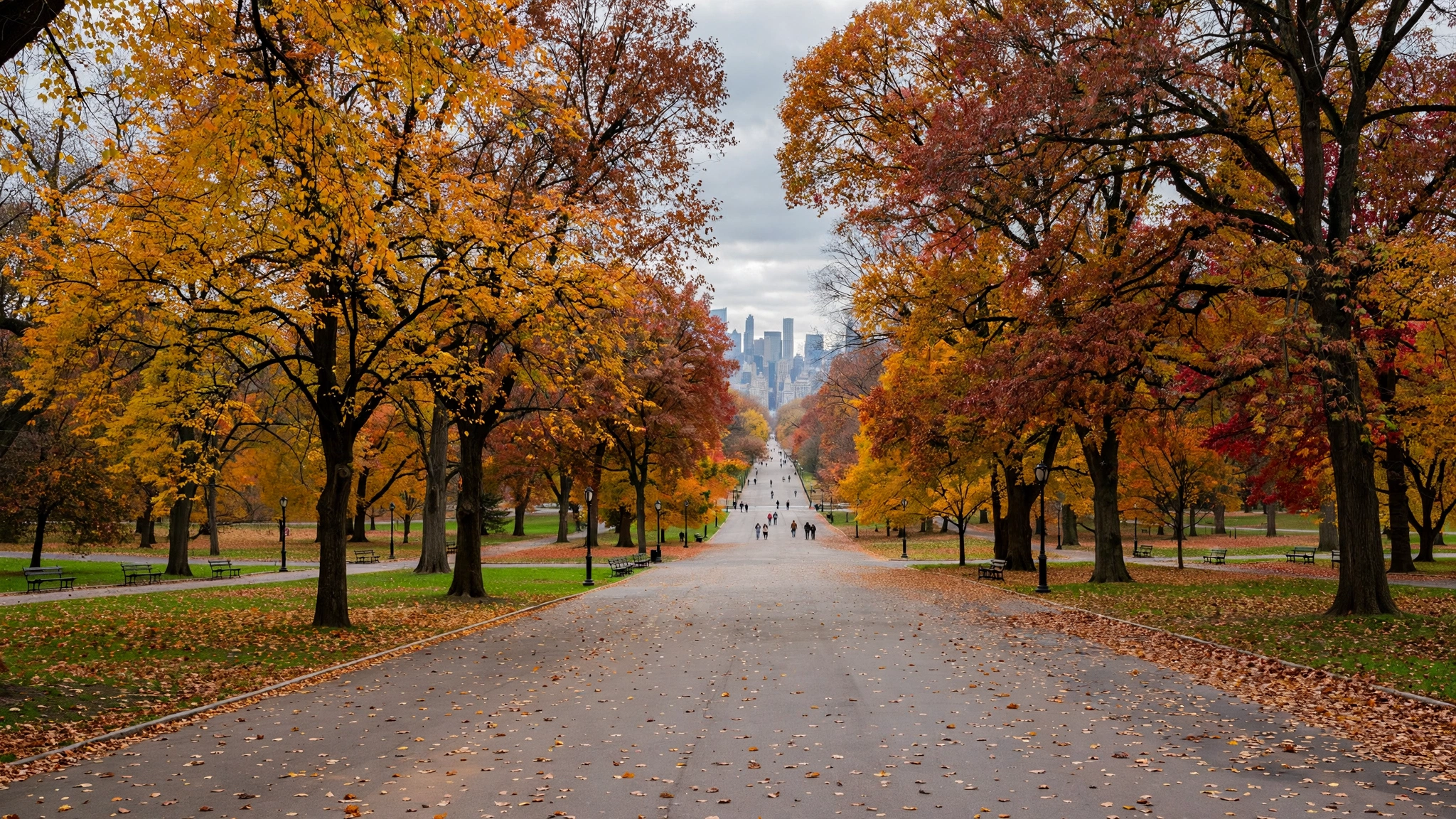
New York is the largest metro area in the United States to ban horse-drawn carriages. Philadelphia, Chicago and San Antonio have outlawed the practice in the last five years.
The push to end the rides gained force after Mahajan’s death in June and after a horse named Deniz collapsed in Central Park the same month while pulling a carriage with passengers. Animal rights groups have argued for years that the work subjects horses to harsh conditions and exhaustion.
Reporting based on coverage by USA Today, the New York City Mayor’s Office and the New York Post.