MI5 Chief Warns Iran and Russia Are Stepping Up Hybrid Attacks in Britain
MI5 Director General Ken McCallum said in his annual threat assessment that Iran is aiming at harder targets such as military sites in Britain, that Russia remains 'aggressor number one,' and that state threats have quadrupled in a decade. The speech came a day after the prime minister blamed Iran's Revolutionary Guard for the suspected plot against RAF Fairford.
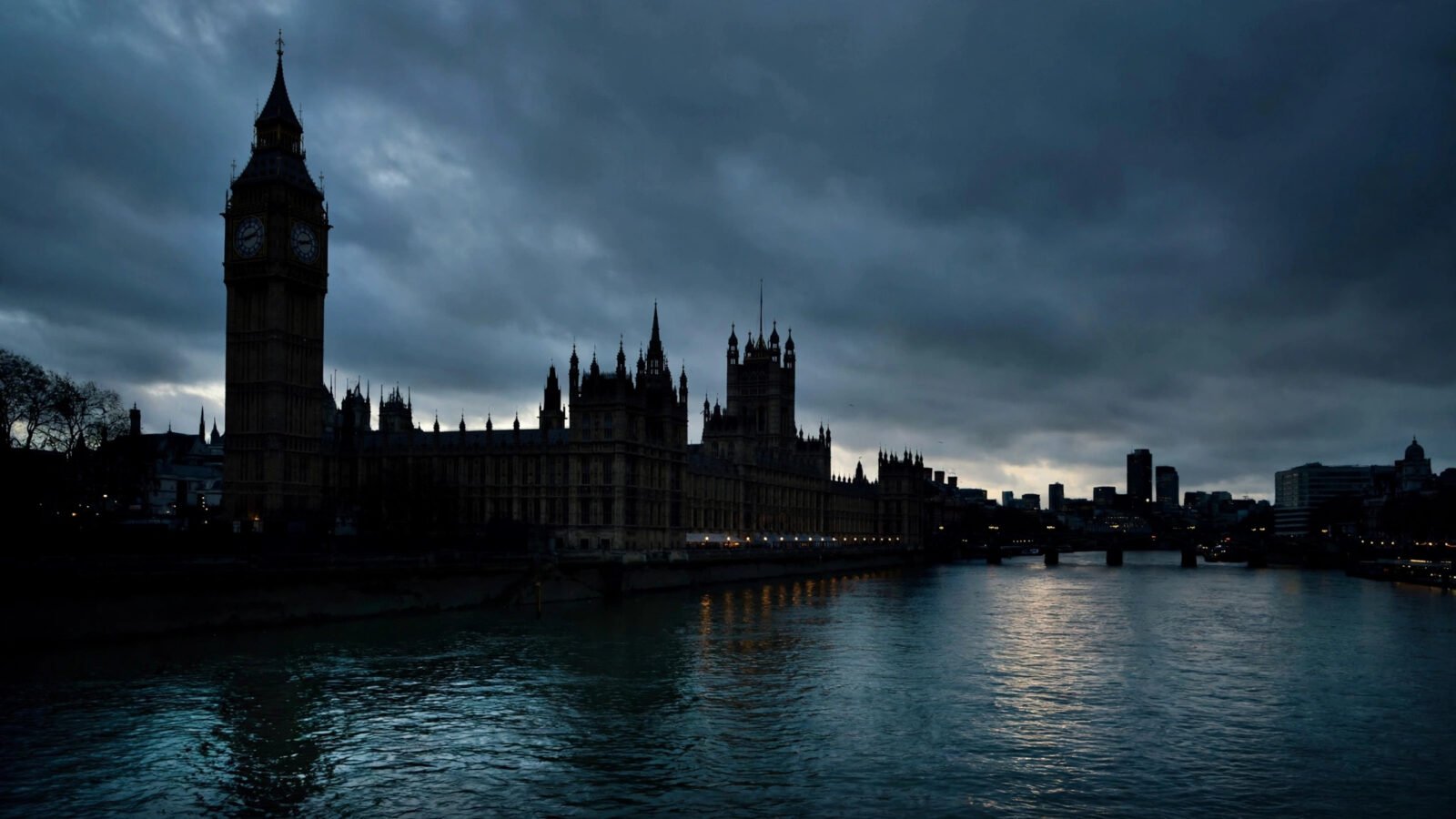
LONDON — Iran is stepping up attempts to hit harder targets such as military sites in Britain, while Russia is escalating its hybrid warfare against Ukraine’s allies, the head of Britain’s domestic intelligence agency said Tuesday. In his annual threat assessment, MI5 Director General Ken McCallum said state threats had quadrupled over the past decade, meaning his organization now devotes more resources to them than it did during the Cold War.
McCallum also said the greatest concern about the misuse of artificial intelligence was that terrorists could use it to develop biological weapons or even create new pathogens.
The Fairford plot and Iran
A day earlier, British Prime Minister Andy Burnham told Parliament that a suspected plot targeting RAF Fairford was “highly likely” to have been coordinated in Iran and almost certainly directed by the Islamic Revolutionary Guard Corps. The air base in southwest England had been used by American bombers to carry out strikes on Iran. Five British men were arrested nearby in the early hours of Sept. 27 on suspected terrorism and explosives offenses, and later released on police bail under what detectives called stringent conditions. Detectives said petrol but no viable explosive had been found in vans seized along with the five men.
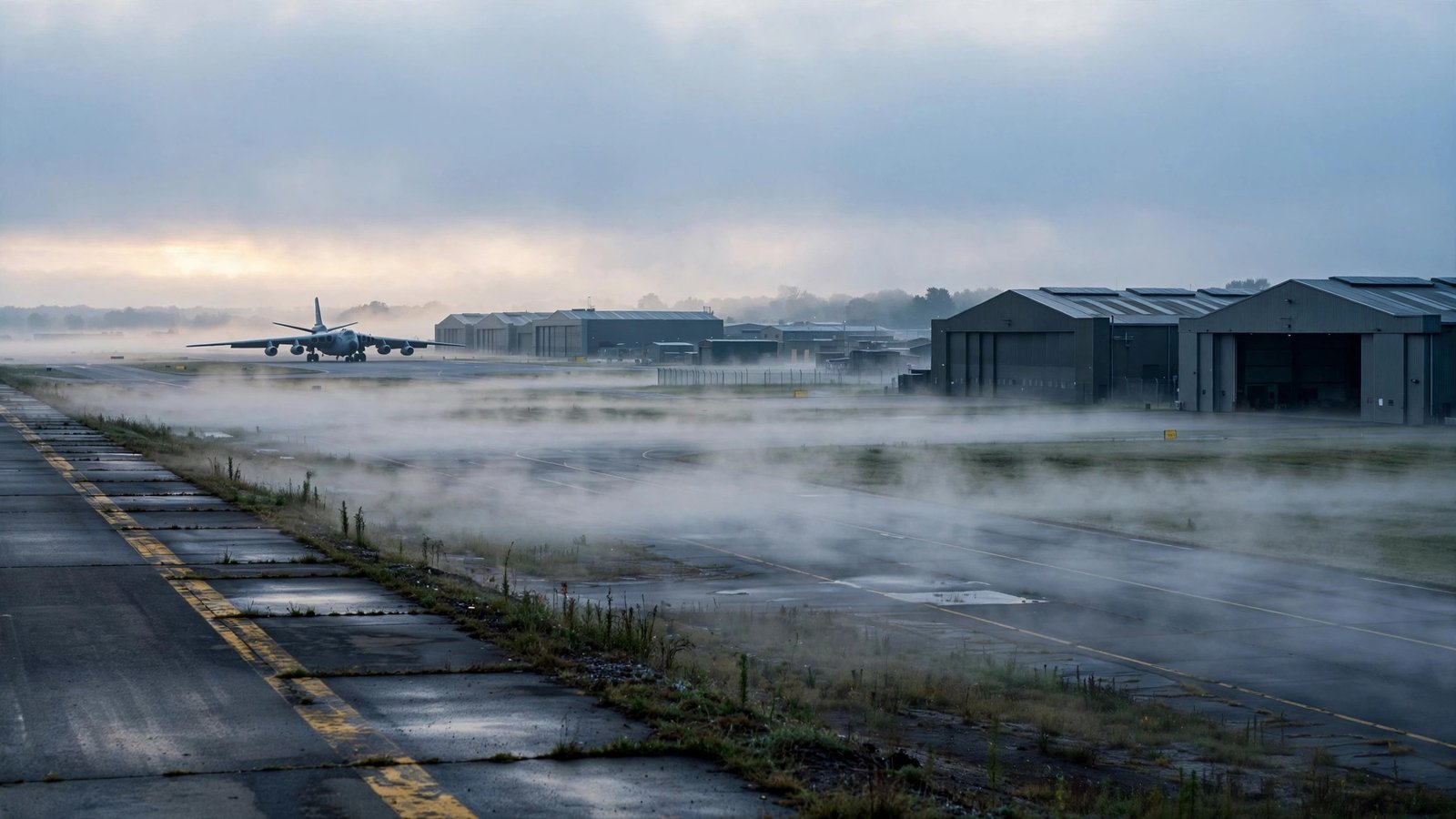
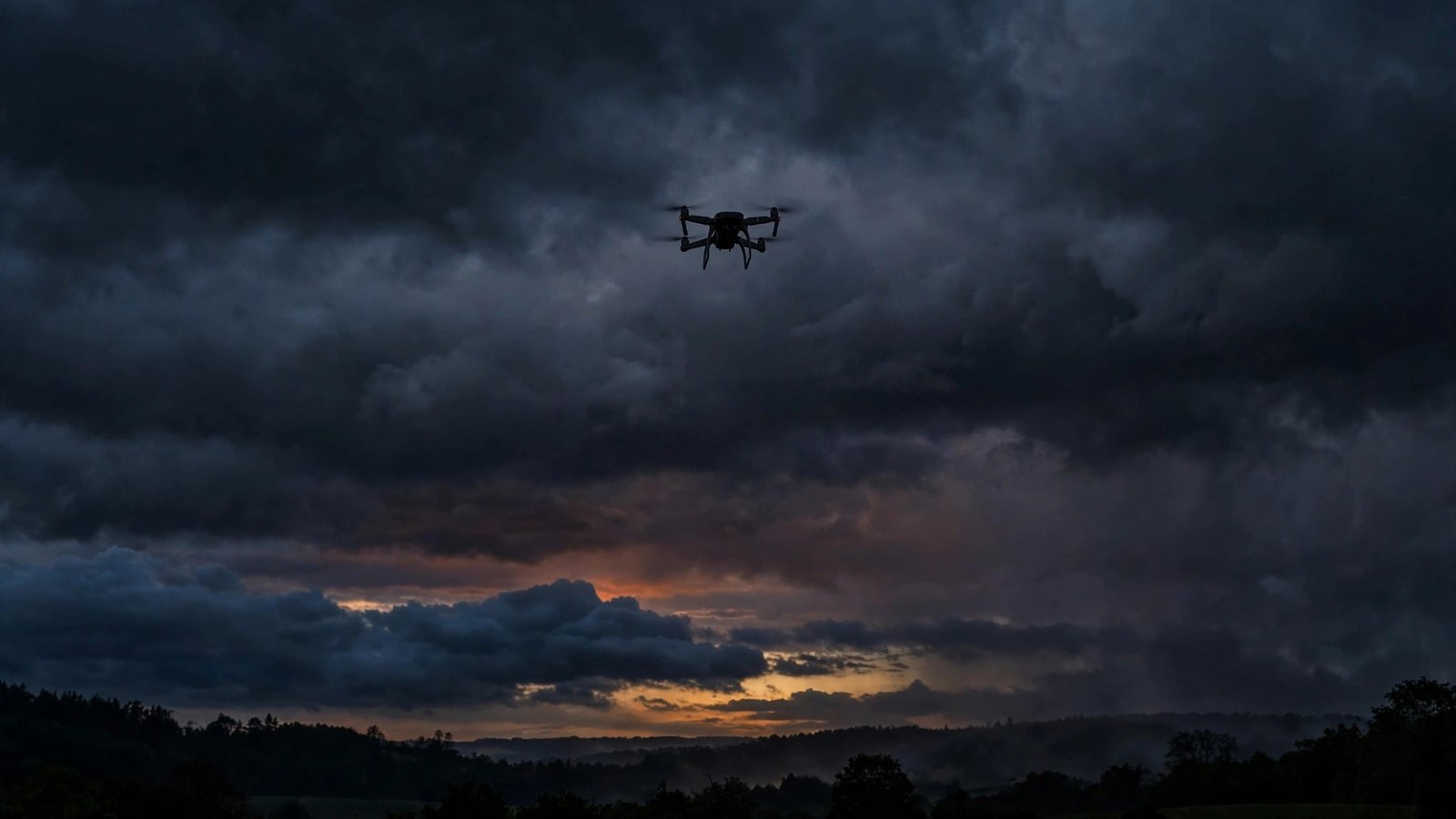
U.S. officials have told Reuters that there had been a suspected plot involving Iran to launch a drone attack, and President Donald Trump said last week that an Iran-linked threat had prompted the decision to withdraw the bombers from the base. Britain’s interior minister, Shabana Mahmood, told Parliament that a known individual based in Iran was believed to be behind the incident. Foreign ministries from almost 30 countries, including the U.S., Canada, France and Germany, issued a statement condemning what they called Iran’s use of violent attacks and hybrid activities. Iran has denied any connection, with its ambassador to Britain, Seyed Ali Mousavi, saying Tehran had no involvement and challenging London to present its evidence.
McCallum said he could not speak about the Fairford incident because of an ongoing investigation, but he described a major shift this year in Iranian ambitions toward harder targets, including military sites. He said the Fairford incident was not unique, and that there had been other such cases in Britain and in other countries. Britain said last year that there had been 20 credible Iranian-backed threats to kill or kidnap people based in the UK.
Russia remains “aggressor number one”
On Russia, which likewise denies involvement in hostile acts in Britain, McCallum said it remained the “aggressor number one,” using tactics just short of conventional conflict. He cited the attempted drone attack on a cargo plane at a German airport and a cyber attack on Polish energy infrastructure. “It’s no accident that Russian aggressors are trying to unsettle other European homelands at a time when their military progress in Ukraine is minimal and horrifically costly,” he said.

Britain sanctioned two Iranian nationals: Ruhollah Bazghandi, whom London described as the IRGC’s head of counterespionage operations, and Shahram Ali Reza Tamarzadeh Jakki, whom it described as a facilitator for an already sanctioned criminal network. Foreign Minister Ed Miliband summoned the Iranian ambassador. Burnham said Britain would use its full range of powers to target Iran’s use of criminal networks and their funding, and would bring further sanctions.
Reporting based on coverage by Reuters.