Oil Prices Fall After Trump Rules Out Attacking Iran Before the Midterm Elections
Crude prices slipped Friday after President Donald Trump said the United States would not attack Iran before the Nov. 3 midterms and described talks with Tehran as productive, easing some supply concerns even as new U.S. sanctions and a Gulf hurricane kept pressure on the market.
Oil prices eased on Friday after President Donald Trump said the United States would not attack Iran before the November midterm elections, a statement that tempered fears of a near-term escalation in a war that has repeatedly rattled energy markets.
Brent crude futures fell 72 cents, or 0.7%, to $103.53 a barrel in early trading, while U.S. West Texas Intermediate crude fell 52 cents, or 0.6%, to $90.97, according to Reuters. Brent remained on course for a weekly gain after settling about 4% higher on Thursday, when attacks on crude shipping out of the Middle East had intensified earlier in the week.
A public pause on strikes, with the blockade intact
Writing on Truth Social on Thursday, Trump said Washington was having “productive discussions” with Iran and that no attack was planned before the Nov. 3 midterm congressional elections, following reports that the administration had been weighing strike options ahead of the vote. He said the U.S. blockade of Iranian ports would remain in full force and that preventing Iran from obtaining a nuclear weapon remained his central goal, according to CNN’s account of the post.
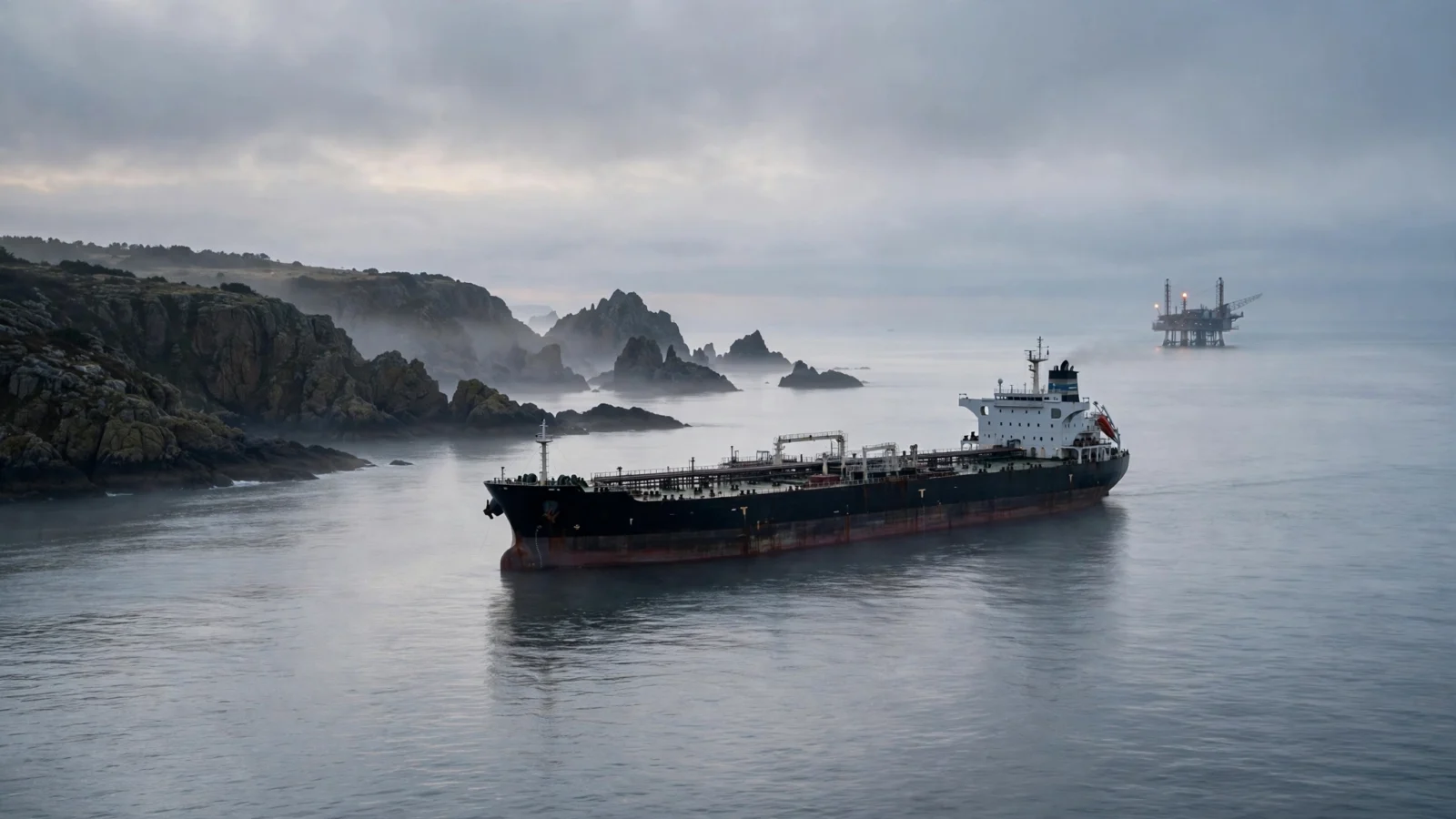
The comments did not signal an end to economic pressure. The Treasury Department announced additional sanctions on Thursday against individuals, networks and 17 vessels accused of transporting Iranian crude oil, petroleum products and petrochemicals in circumvention of existing U.S. sanctions — a network U.S. officials describe as a “shadow fleet,” according to CNN.
On the diplomatic track, Iran’s Tasnim news agency reported that Foreign Minister Abbas Araghchi said Tehran was reviewing the U.S. response to an Iranian proposal to reopen the Strait of Hormuz within seven days, according to Reuters. CNN reported that Iranian officials had said they planned to respond to a U.S. counterproposal within days. The strait carried shipments equal to roughly 20% of global oil and fuel consumption before the war, according to Reuters.
Hurricane shut-ins complicate the supply picture
The market is weighing the diplomatic signals against a physical disruption much closer to home. Hurricane Isaias, approaching the U.S. Gulf Coast, had forced producers to shut in about 1.3 million barrels per day — 62.9% of current Gulf oil production — as of Thursday, according to figures from the U.S. Marine Minerals Administration cited by Reuters.
For now, traders appear to be treating Trump’s statement as a reduction in immediate geopolitical risk rather than a resolution of the conflict. The war is in its eighth month, the blockade remains in place, and both the Hormuz shipping question and the Gulf storm leave the market exposed to sharp moves in either direction.
Reporting based on coverage by Reuters and CNN.