Saudi Arabia Intercepts Three Houthi Ballistic Missiles as Riyadh Airport Closure Extended to October 17
Saudi air defenses shot down three Houthi ballistic missiles on Monday — one over Riyadh and two over Khamis Mushait — as King Khalid International Airport remained shut with a closure notice now running to at least October 17. A week of attacks has killed at least 20 people and wounded hundreds.
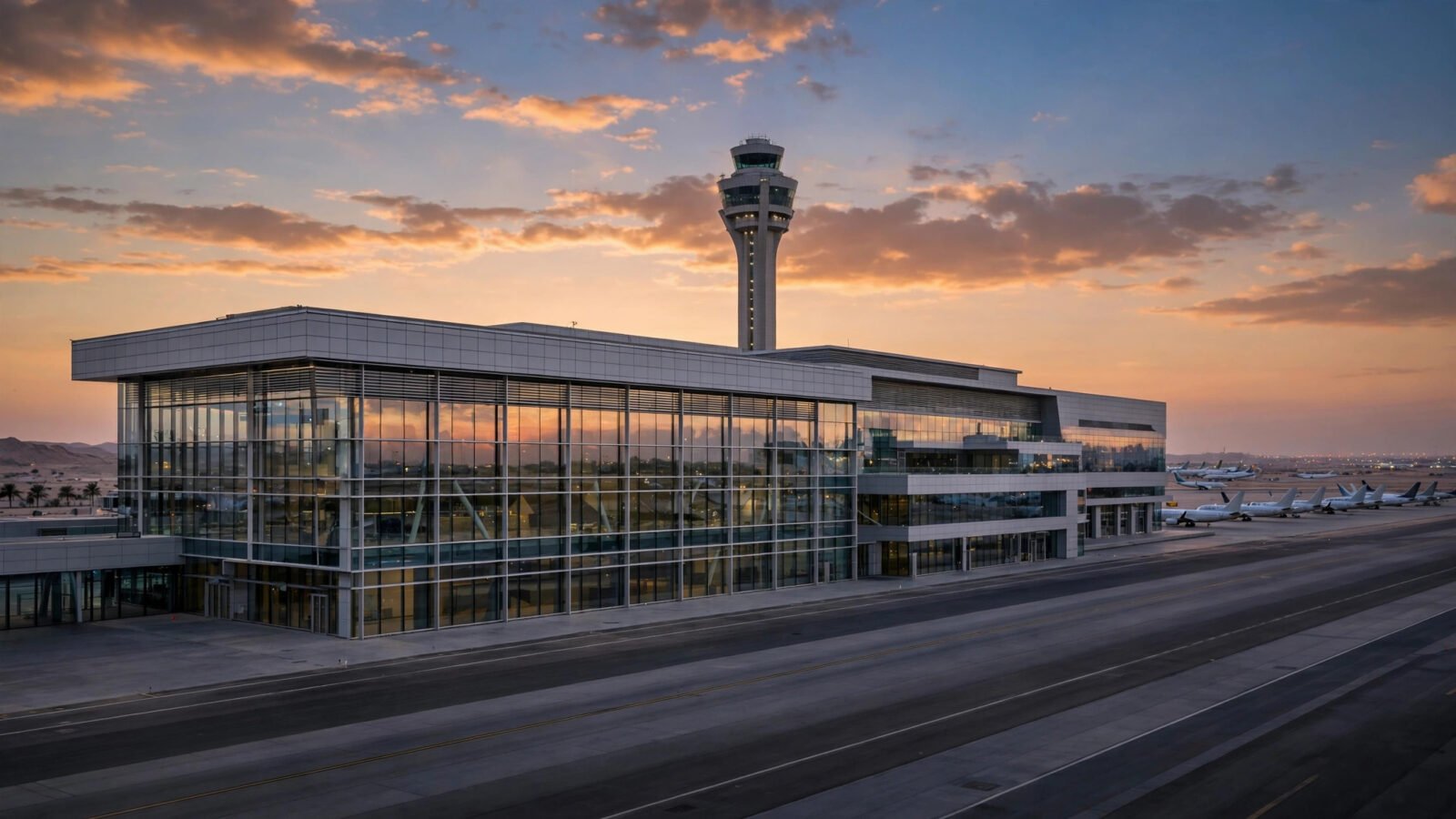
Saudi Arabia said on Monday that its air defenses intercepted and destroyed three Houthi ballistic missiles, one over the capital Riyadh and two over Khamis Mushait in the country’s southwest, as King Khalid International Airport remained closed following a week of attacks that have killed at least 20 people and wounded hundreds.
The Houthi movement claimed responsibility for the attacks, saying it had targeted the airport and a military base, and renewed its warning to international airlines against operating flights to Saudi airports.
Hours before the interceptions, Saudi aviation authorities said the airport would remain closed “to complete the necessary procedures to verify the safety and operational readiness of the airport’s facilities.” A notice to air missions indicates the closure will last until at least October 17, with several hundred flights cancelled.
A week of escalating attacks
Monday’s launches followed two deadly strikes over the weekend. On Saturday, a Houthi strike on the airport killed at least 13 people and wounded more than 300, the deadliest attack on Saudi Arabia in more than a decade, according to Saudi authorities. On Sunday, another projectile struck the airport, killing a Pakistani resident and wounding 11 others.
The Houthis said the strikes were retaliation for an intensified Saudi air campaign in Yemen. The group claimed on Monday that Saudi forces had carried out 119 attacks over the previous 24 hours; CNN reported it could not independently verify the claim.
U.S. Secretary of State Marco Rubio confirmed that an American citizen was among those killed in Saturday’s attack.
Washington and Gulf capitals respond
President Donald Trump said on Monday that he had spoken with Saudi Crown Prince Mohammed bin Salman, describing the Houthis as “misbehaving very badly.” Asked Saturday whether the United States might join Saudi strikes against the Houthis, Trump said: “We may. We’re going to look at it.”
Travel warnings mounted. On Monday, the U.S. Embassy in Riyadh tightened its guidance, saying U.S. government employees now require special authorization to use any airport in Saudi Arabia and urging American citizens to exercise “extreme caution.” The United Kingdom warned Sunday against all but essential travel to Jeddah and Dammam and to all Saudi airports except Medina, while the U.S. Federal Aviation Administration told American airlines on Sunday to exercise caution when flying to or over the kingdom.
The United Arab Emirates condemned the attacks. “Our security is indivisible,” presidential adviser Anwar Gargash said Monday, calling for renewed joint Gulf action on security and defense.
Reporting based on coverage by CNN.