Trump Warns Houthis After Deadly Riyadh Airport Attack, Says He May Ask Turkey’s Erdogan to Respond
The president said Turkey's Recep Tayyip Erdogan 'would do as I ask' after weekend strikes on King Khalid International Airport killed at least 12 people, including an American citizen, and wounded more than 300.
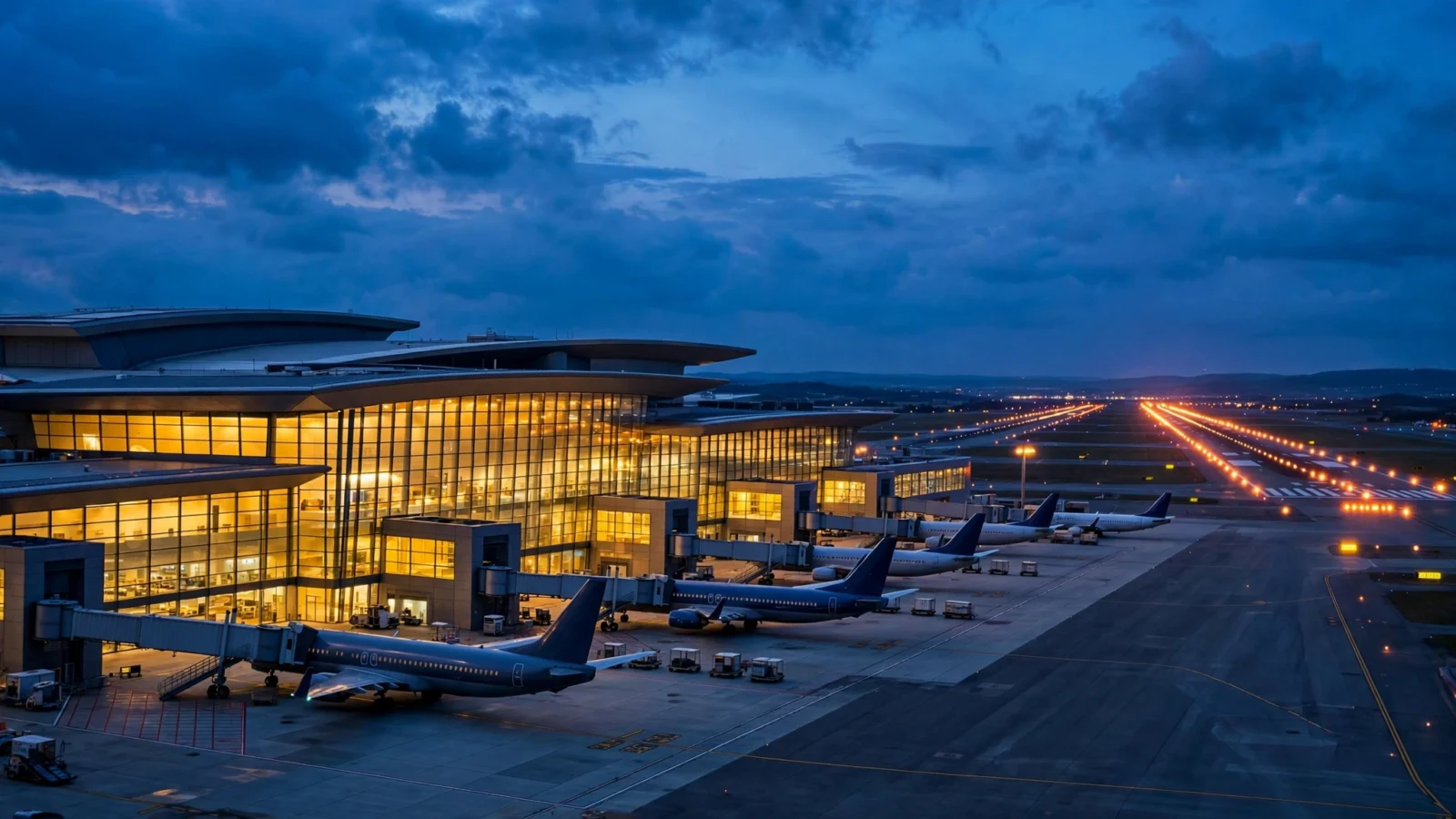
WASHINGTON — President Donald Trump warned Yemen’s Iran-backed Houthis on Tuesday against launching further attacks on Saudi Arabia, and said he might ask Turkish President Recep Tayyip Erdogan to help strike the group, after weekend missile and drone attacks on Riyadh’s King Khalid International Airport killed at least 12 people, including an American citizen.
Asked outside the White House whether he would request that Erdogan hit the Houthis, Trump answered: “I might do it.” He added: “I have a lot of respect for the president of Turkey. President Erdogan, I think, would do as I ask,” as he departed for Alaska.
The weekend attacks struck the airport on Saturday and Sunday, killing 12 people, according to the New York Post (Turkish Minute put the toll at 13), and wounding more than 300. A Houthi spokesperson celebrated the assault on Sunday, declaring that airports had become “a theatre of operations for our forces” and claiming Saudi Arabia bore “responsibility for any failed interceptions.”

Secretary of State Marco Rubio said Washington “strongly condemns” the “terrorist Houthis,” calling the strikes “reprehensible attacks” that “demonstrate a blatant disregard for innocent civilian life.” The New York Post reported Saturday’s attack was the deadliest civilian attack since the start of “Operation Epic Fury” on Feb. 28, the campaign in which the Houthis renewed attacks against the Saudis and reignited Yemen’s civil war. Trump has held off attacking the Houthis since a May 2025 ceasefire that halted strikes on U.S. vessels in the Red Sea, the Post reported.
Turkey and the defense pact
Trump’s suggestion turns attention to Turkey’s new defense ties with Riyadh. Turkey, Saudi Arabia and Pakistan signed the Mecca Joint Defense Agreement on Aug. 7, pledging to treat an armed attack on one member as an attack on all, and the three countries agreed at an emergency meeting in Riyadh on Oct. 5 to implement their commitments, including military deployments to Saudi Arabia, subject to each country’s laws. Erdogan announced Monday that his government was preparing to submit the pact to Turkey’s parliament for approval.
But Ankara has set limits. Foreign Minister Hakan Fidan ruled out sending Turkish troops abroad to launch attacks under the pact on Oct. 8, saying officials were assessing contributions to Saudi Arabia’s air defenses instead. Turkey was providing mainly defensive and technical assistance, including military equipment, intelligence sharing and weapons systems, Reuters reported on Oct. 7, citing Turkish and U.S. officials.
On Tuesday, Erdogan reiterated Turkey’s support for Saudi Arabia in a telephone conversation with Crown Prince Mohammed bin Salman, a statement from the Turkish president’s office confirmed.
Oil prices and the midterm angle
Trump accused the Houthis of resuming attacks at Iran’s direction to push up oil prices before the Nov. 3 U.S. midterm elections, Turkish Minute reported, citing a Truth Social post. The Houthis have also hit Saudi oil infrastructure, which has raised worries about energy supplies and global crude prices.
Iran, which backs the Houthis, has stepped up shipping attacks near the Strait of Hormuz ahead of the U.S. vote, U.S. officials said.
The Houthis, an armed movement that seized Yemen’s capital, Sanaa, in 2014, control much of the country; a Saudi-led coalition intervened the following year to back the internationally recognized government. The current U.S. role is limited to intelligence and targeting assistance for the Saudis, with no American forces committed to offensive operations, while a Saudi-led coalition struck a fuel depot outside Sanaa on Tuesday after warning civilians to avoid it, Reuters reported.

Reporting based on coverage by the New York Post, Turkish Minute, and Reuters.