UN Ends 35-Year Western Sahara Peacekeeping Mission After Security Council Fails to Renew Mandate
The United Nations mission in Western Sahara ended after 35 years when the Security Council could not agree on a renewal, leaving the territory without a peacekeeping force and the long-running dispute over its future still unresolved.
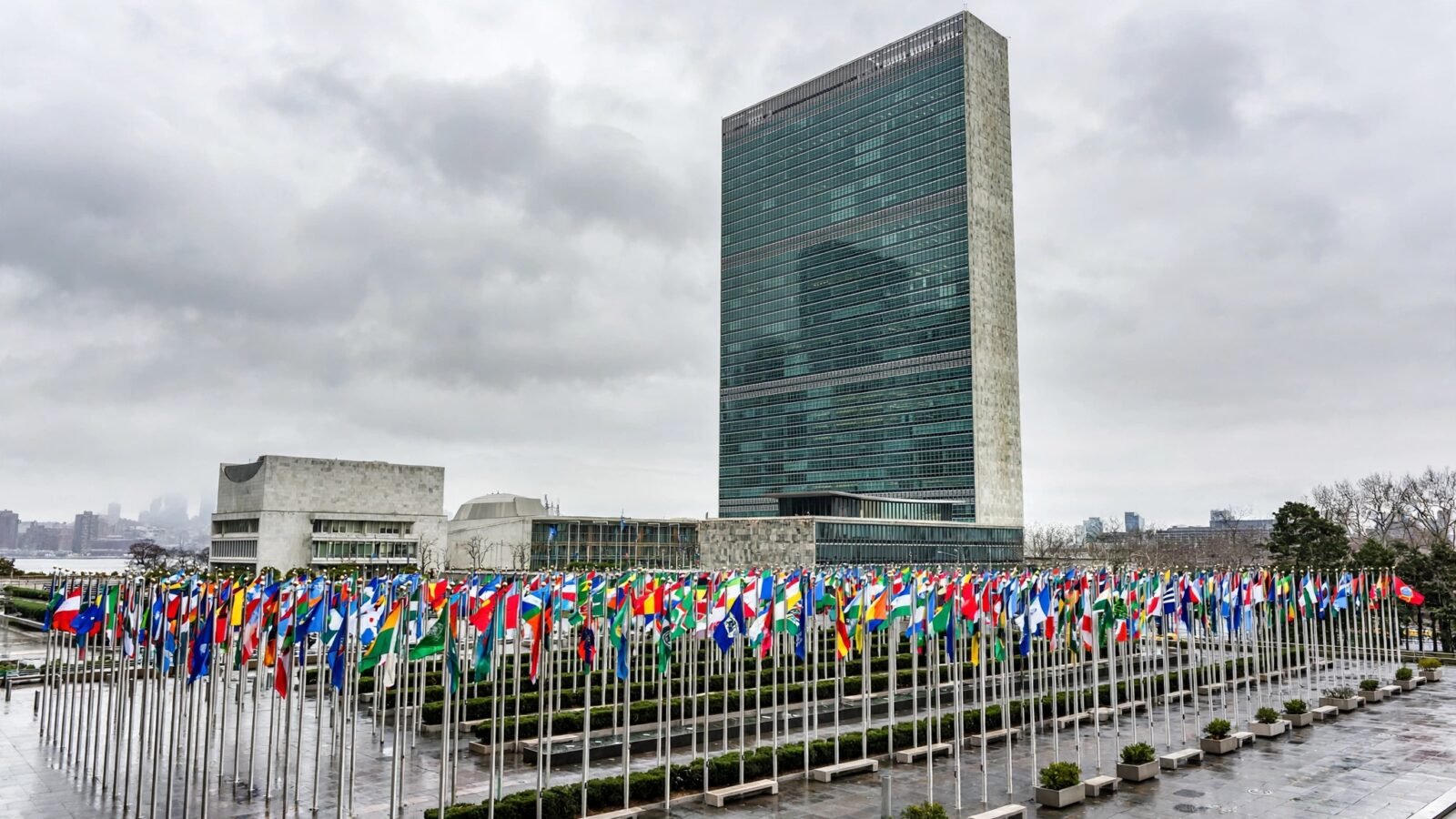
The United Nations peacekeeping mission in Western Sahara has ended after 35 years, after the Security Council failed to agree on renewing its mandate, United Nations Secretary-General Antonio Guterres said on Sunday.
The mission, known as MINURSO, saw its mandate expire at midnight on Saturday. Sunday marked the start of a liquidation period, during which a smaller team reporting to the UN Department of Operational Support will oversee the disposal of UN equipment, according to the United Nations.
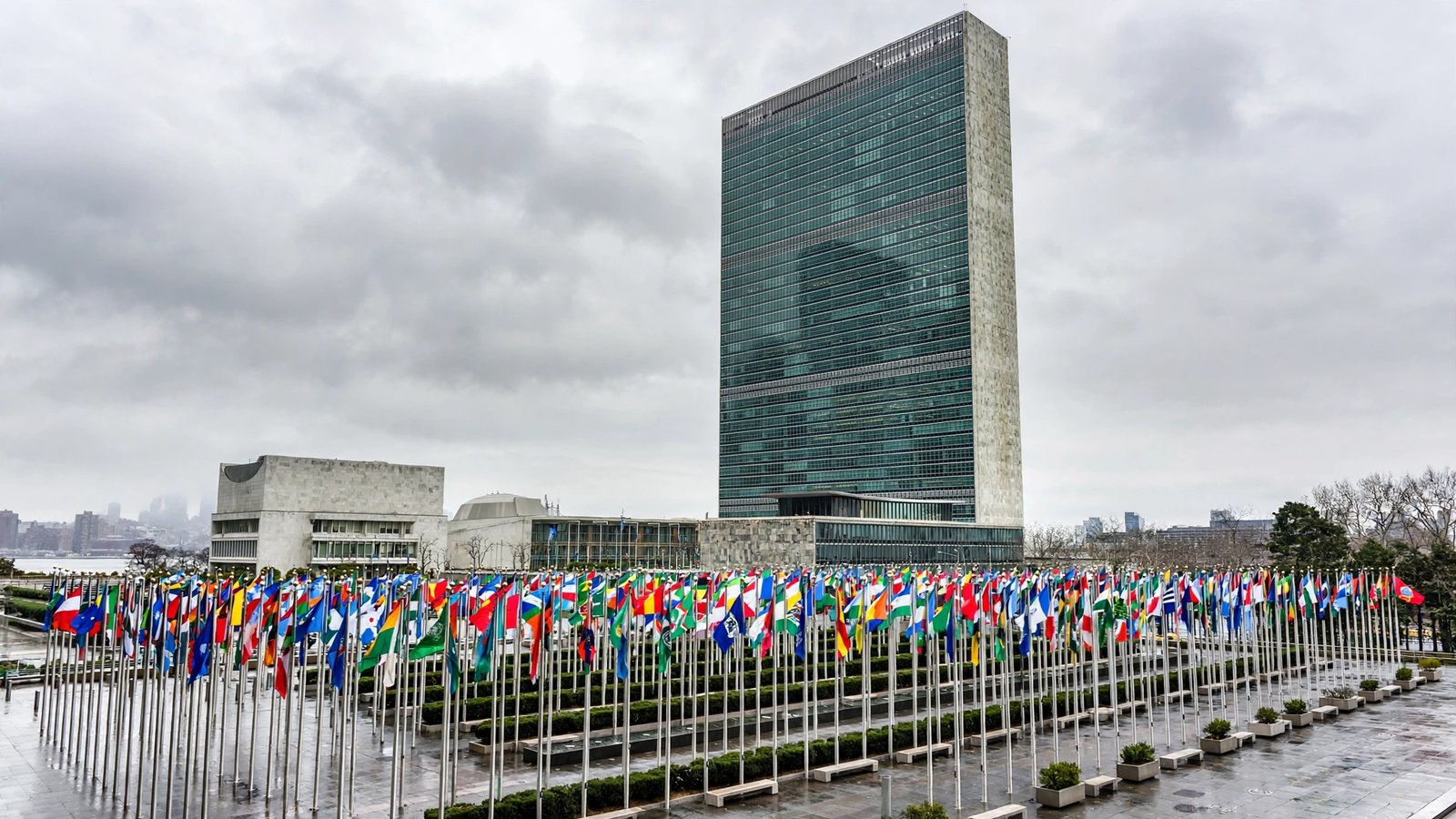
MINURSO was set up in 1991 under Security Council resolution 690, after Morocco and the Frente POLISARIO accepted settlement proposals that provided for a referendum in which the people of Western Sahara would choose between independence and integration with Morocco. The referendum never took place, after the two sides could not agree on who would be eligible to vote. The mission continued to monitor the ceasefire that followed the 1991 agreement.
When its mandate ended, the mission was headquartered in Laayoune, with nine team sites, four west of the berm and five east of it, and a liaison office in Tindouf, the United Nations said. It had about 200 civilian staff, military observers and staff officers from more than 35 countries, and a mine action capability. Guterres paid tribute to the 20 MINURSO personnel who lost their lives during the mission’s 35 years.
How the mandate lapsed
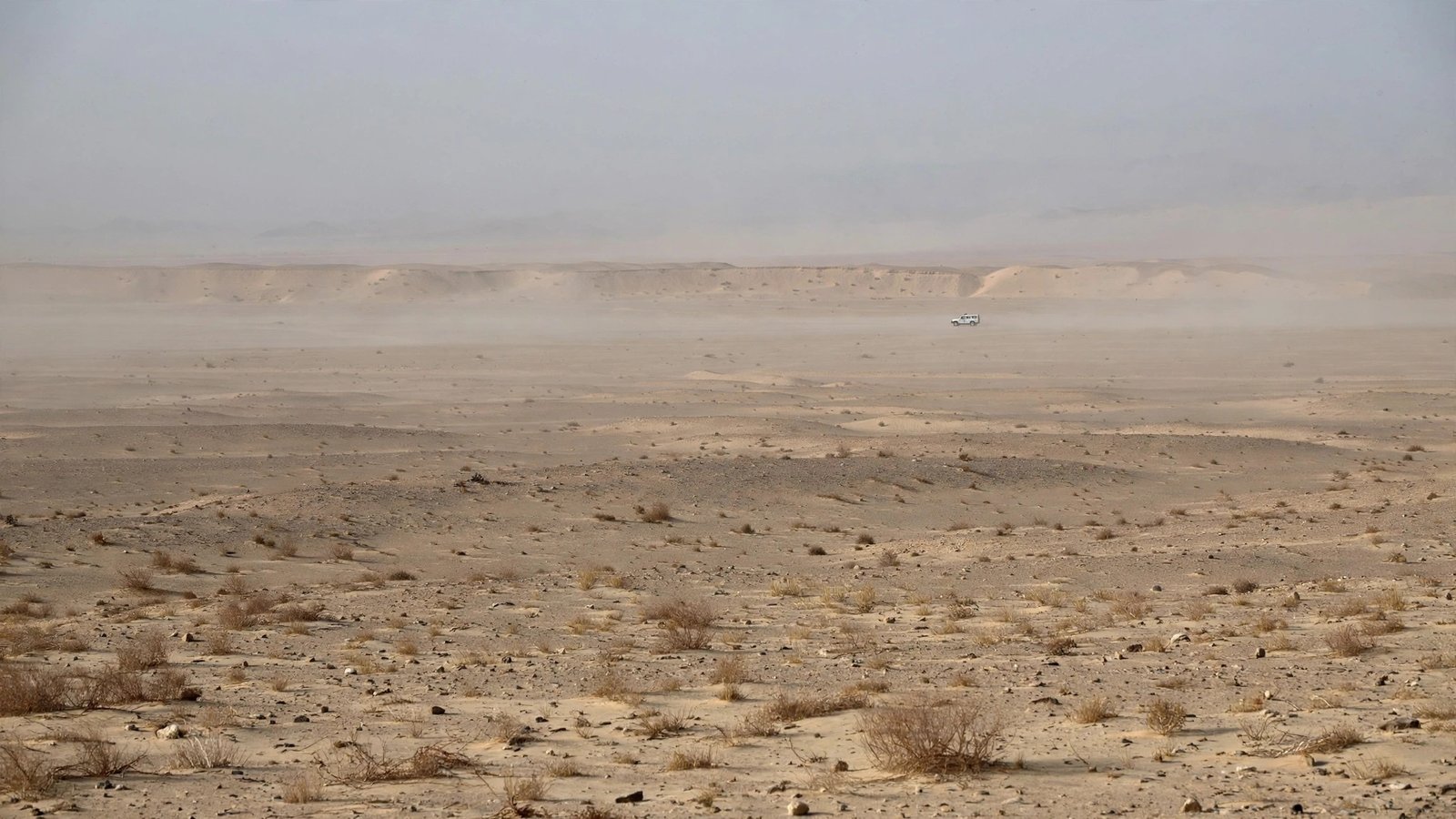
The Council failed on Friday to agree on the mission’s future. A draft resolution from the United States was vetoed by Russia, while a rival Russian text failed to win the nine votes needed for adoption among the 15-member body, the United Nations said.
The United States delegate said the American draft would have supported the principle of self-determination and moved the 50-year conflict forward, calling the status quo unacceptable. The Russian delegate said the text would have imposed one-sided solutions, describing the veto as, in his words, “a life-saving veto, so to speak.” Russia’s alternative would have extended the mandate for one year, to October 31, 2027, but it did not gain enough support.
The end of the mission comes a year after the Security Council adopted a United States-drafted resolution that accepted Morocco’s plan to give the territory autonomy under Moroccan sovereignty as the “most feasible” solution to the conflict, Reuters reported. Russia abstained in that vote last year. This year, Russia vetoed another United States-backed draft that would have cemented the UN preference for the Moroccan plan while scaling back the peacekeeping force, Reuters reported.
In 2007, Morocco put forward an autonomy proposal as a basis for negotiations. It envisages the territory as self-governing under Moroccan sovereignty, according to the United Nations.
Reactions and what comes next
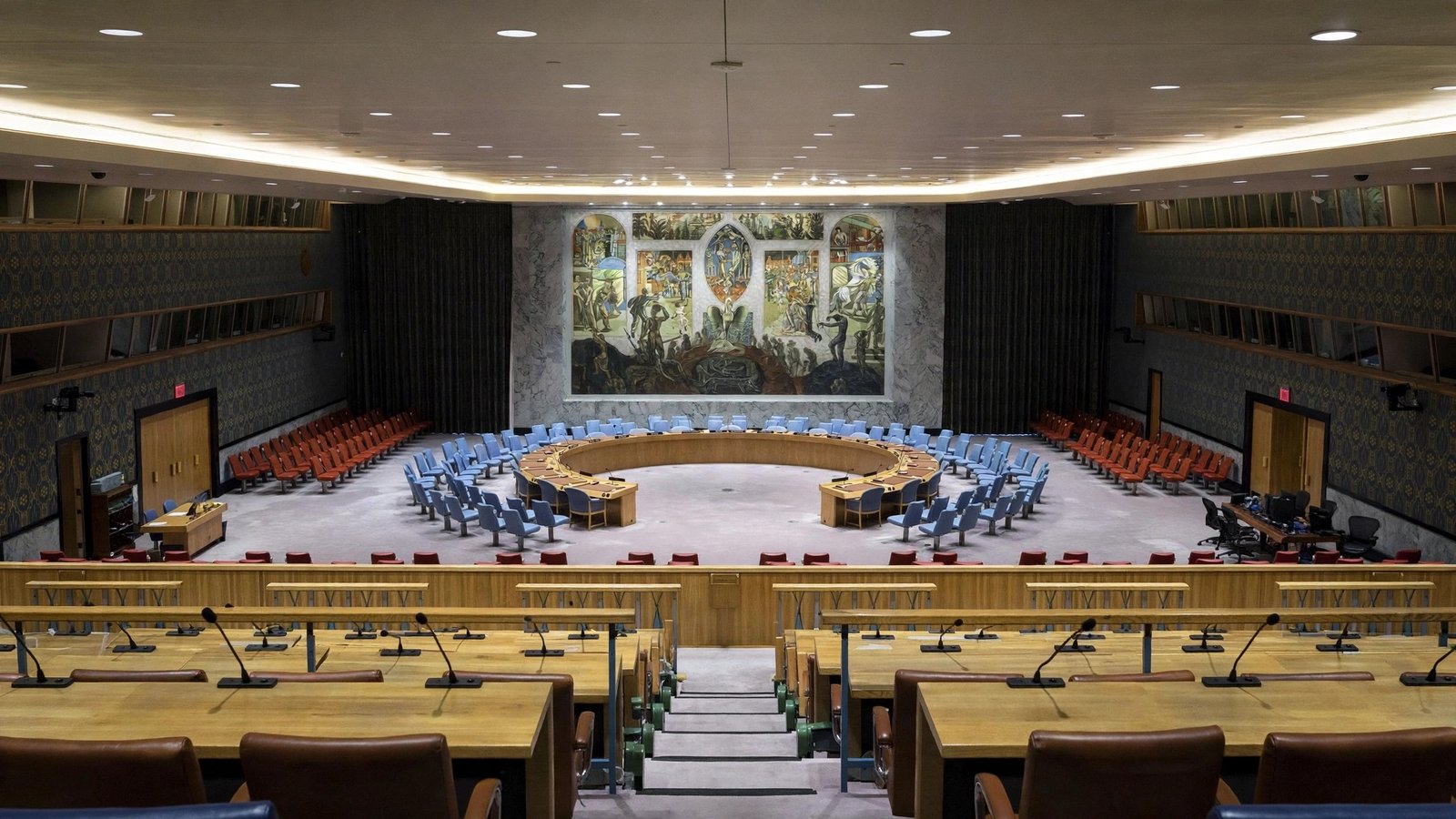
Morocco, which claims Western Sahara as its own, welcomed the decision, Reuters reported. Morocco’s Foreign Minister Nasser Bourita told state media that the mission’s reference to a referendum, the “R” in its name, was an “anachronism,” according to Reuters. Morocco’s royal palace said the non-renewal was a step toward withdrawing the Western Sahara issue from consideration by the Security Council, Reuters reported.
Algeria’s Foreign Ministry expressed deep regret over the non-renewal, blaming what it called excessive bias by the United States toward Morocco’s position, Reuters reported. The Polisario Front, which has sought an independent state in Western Sahara since former colonial power Spain left in 1976, said in a statement it was concerned at the deadlock in the Security Council meeting, Reuters reported.
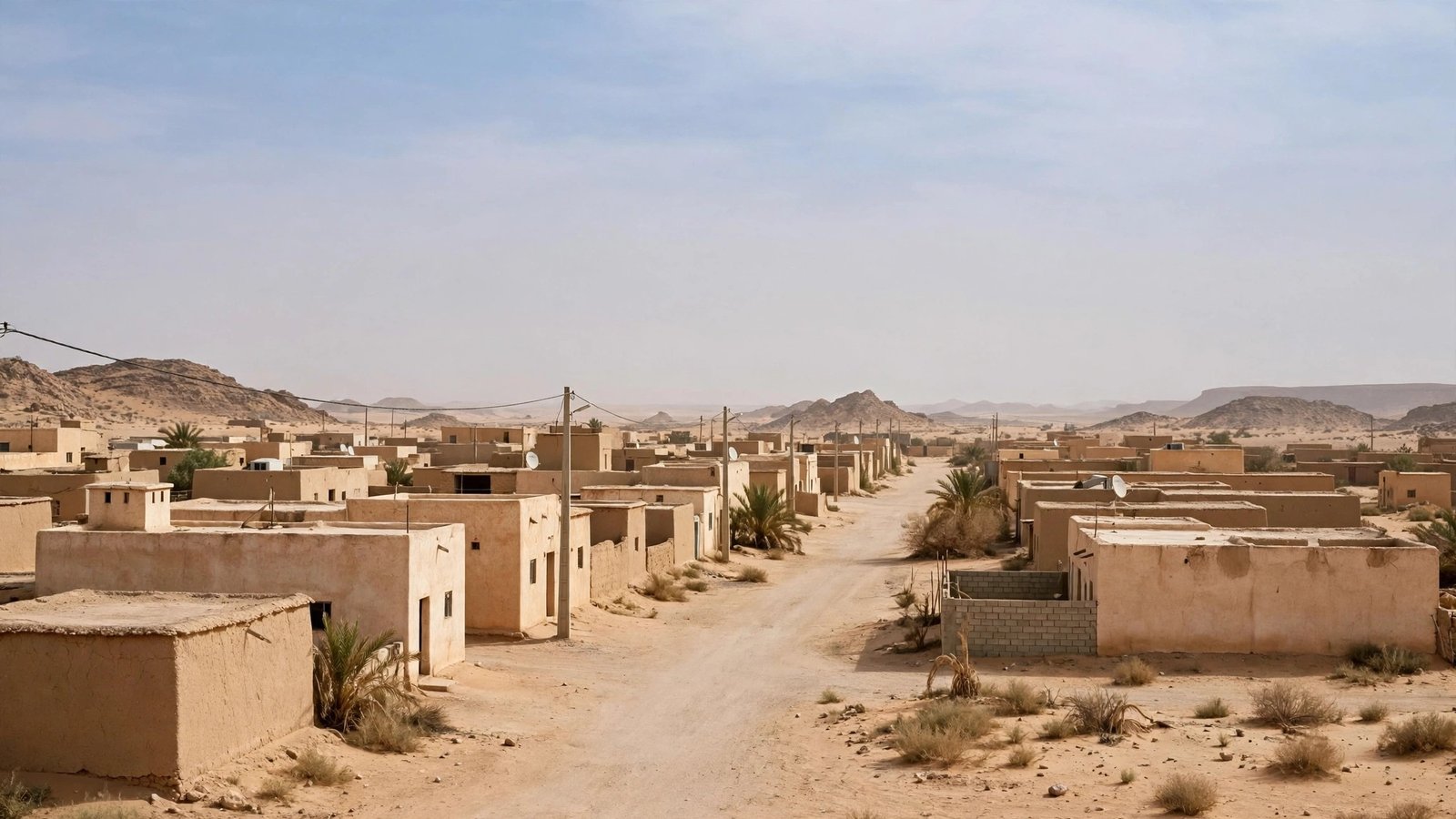
Guterres said the departure of MINURSO does not remove the people’s inalienable right to self-determination, in a statement delivered by his spokesperson. He said the United Nations will keep working toward a peaceful resolution through his personal envoy, Staffan de Mistura. He also said he remains concerned about the security situation throughout the territory and the risk of hostilities escalating, and urged all concerned to exercise maximum restraint and to refrain from actions that could further increase tensions or undermine regional stability.
Reporting based on coverage by Reuters and UN News.