US Central Command Sets Up Task Force Iron Gate to Block Iran’s Land Supply Routes
U.S. Central Command said Saturday it has created Task Force Iron Gate, a 20-person unit in Tampa that will work to stop weapons and sanctioned goods from moving across Iran's land borders and the Caspian Sea, extending a naval blockade that has been in place since July.
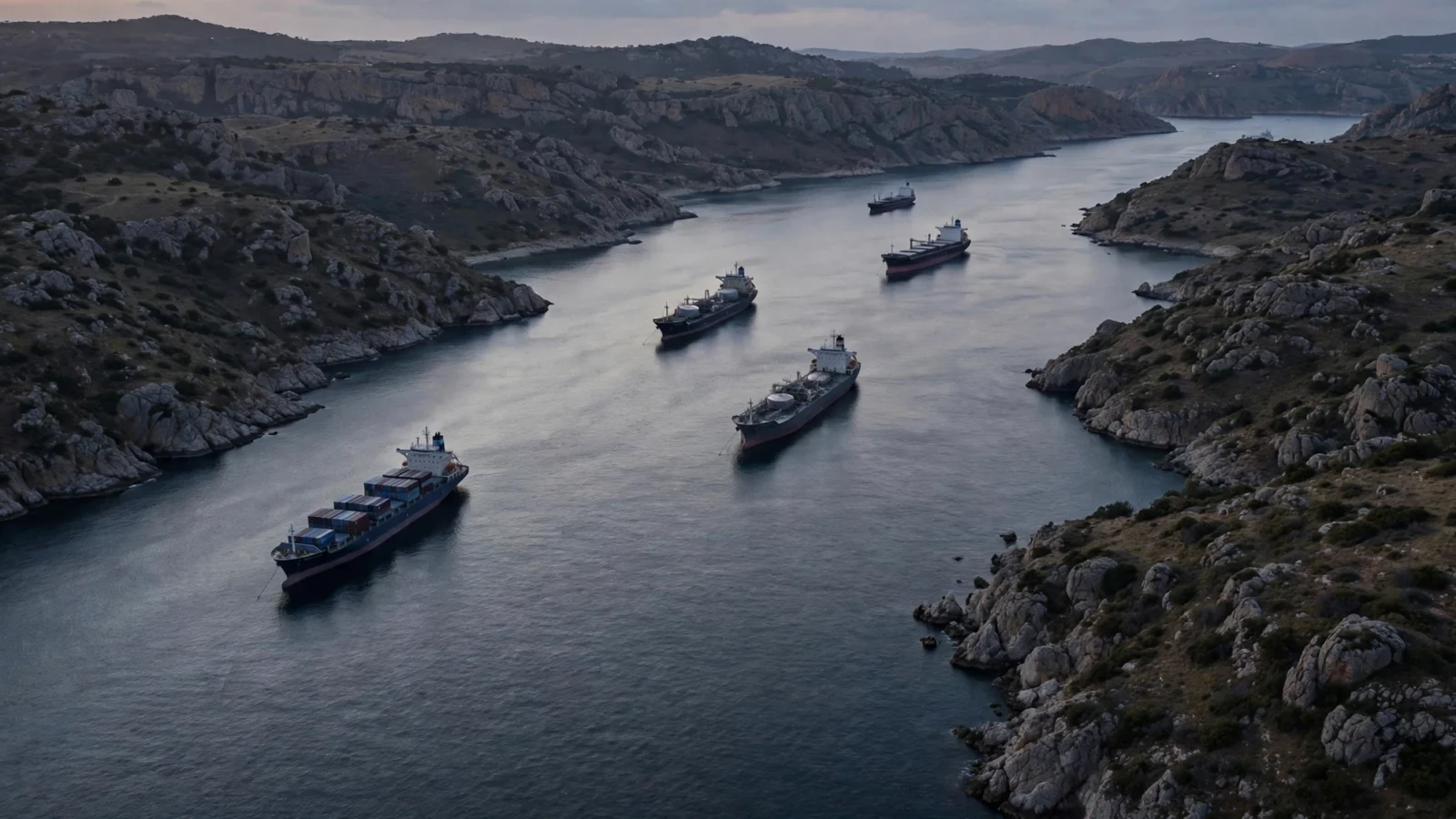
U.S. Central Command said Saturday it has set up a new task force to stop Iran from moving weapons and other sanctioned goods over land. The move extends a naval blockade of Iranian ports that has been in place since July.
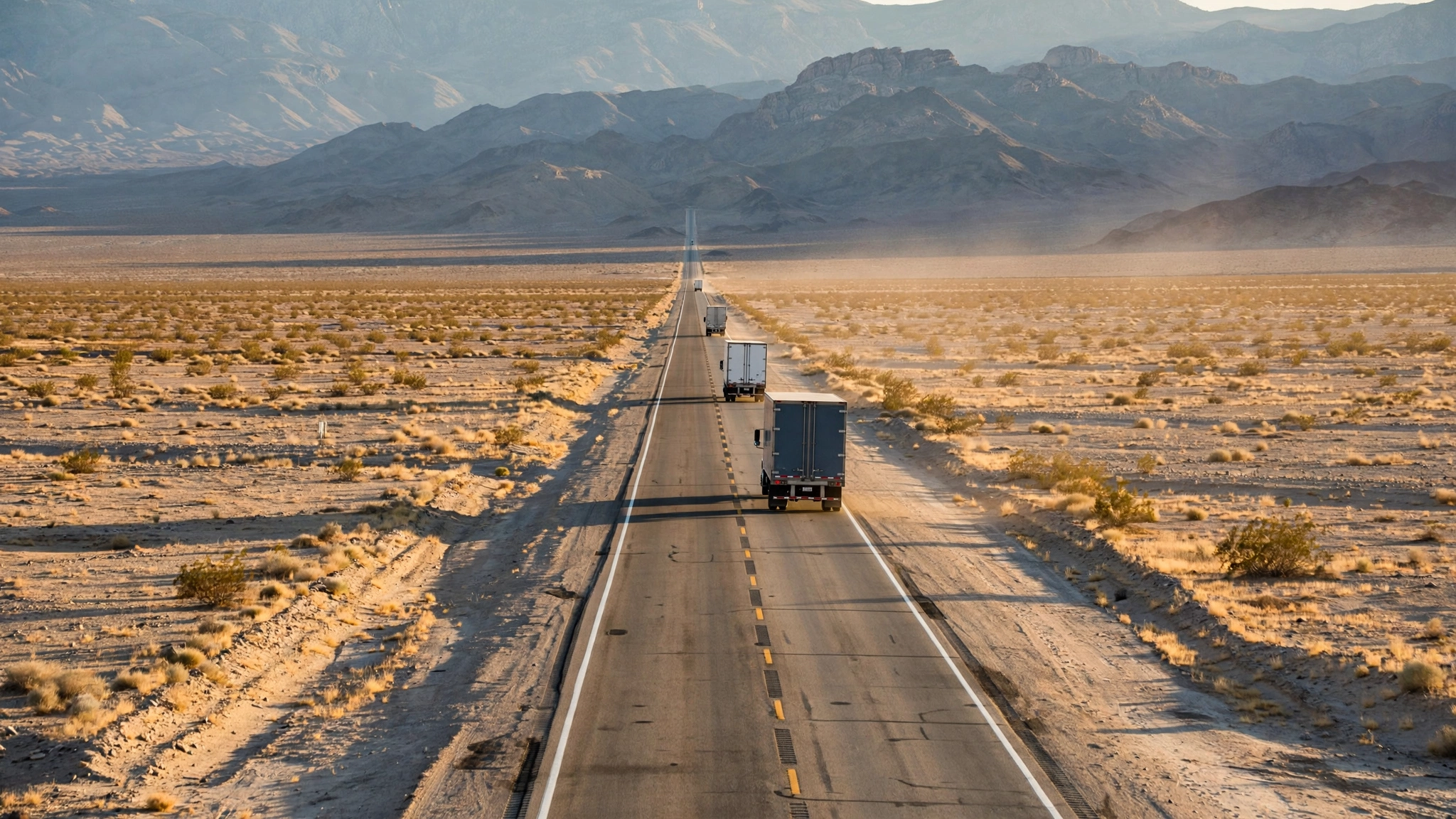
The unit, called Task Force Iron Gate, will work from Tampa, Florida, and coordinate with other U.S. government agencies to block the movement of advanced weapons systems, dual-use technologies, sanctioned materials and illegal revenue across Iran’s land borders and the Caspian Sea, the command said.
“Task Force Iron Gate will reinforce the success of our ironclad blockade against Iran at sea,” Adm. Brad Cooper, the commander of U.S. Central Command, said in the announcement.
The task force has about 20 military and civilian personnel, according to the command. Its job is to find where weapons and other banned goods enter Iran and how those routes can be cut off, Michael Mulroy, a former U.S. deputy assistant secretary of defense for the Middle East, told Al Jazeera.
Blockade has kept $25 billion in oil from leaving Iran, command says
The command said its naval blockade has kept more than $25 billion in Iranian crude oil from leaving the country in recent months. Since July, U.S. forces have redirected 147 commercial vessels that complied with enforcement orders and disabled five merchant ships that refused to comply, the command said.
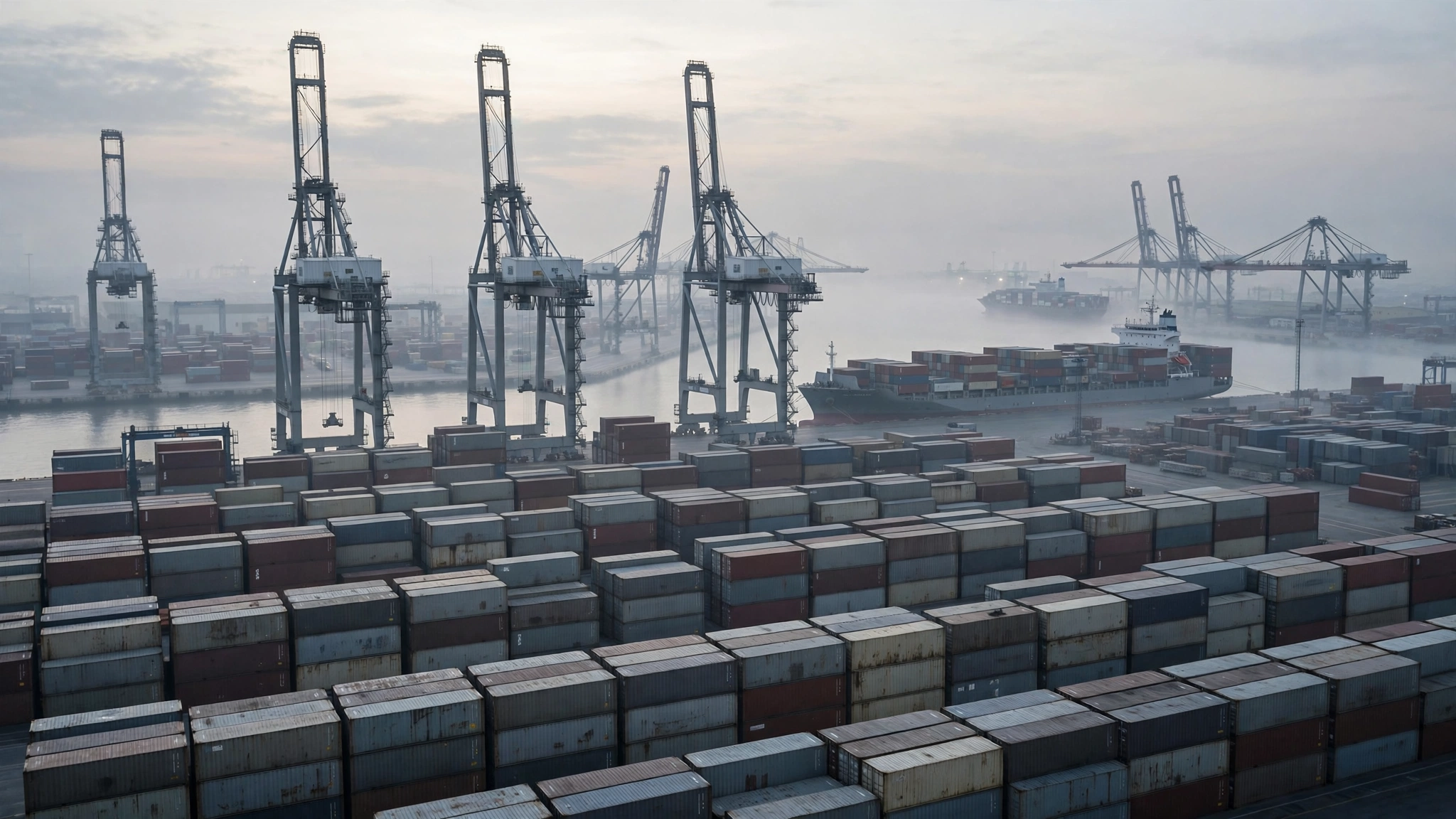
On Saturday, the command said a U.S. military aircraft fired precision munitions at the stern of the St. Kitts-flagged cargo vessel M/V Huda in the Gulf of Oman, disabling the ship after its crew was directed to leave the targeted areas.
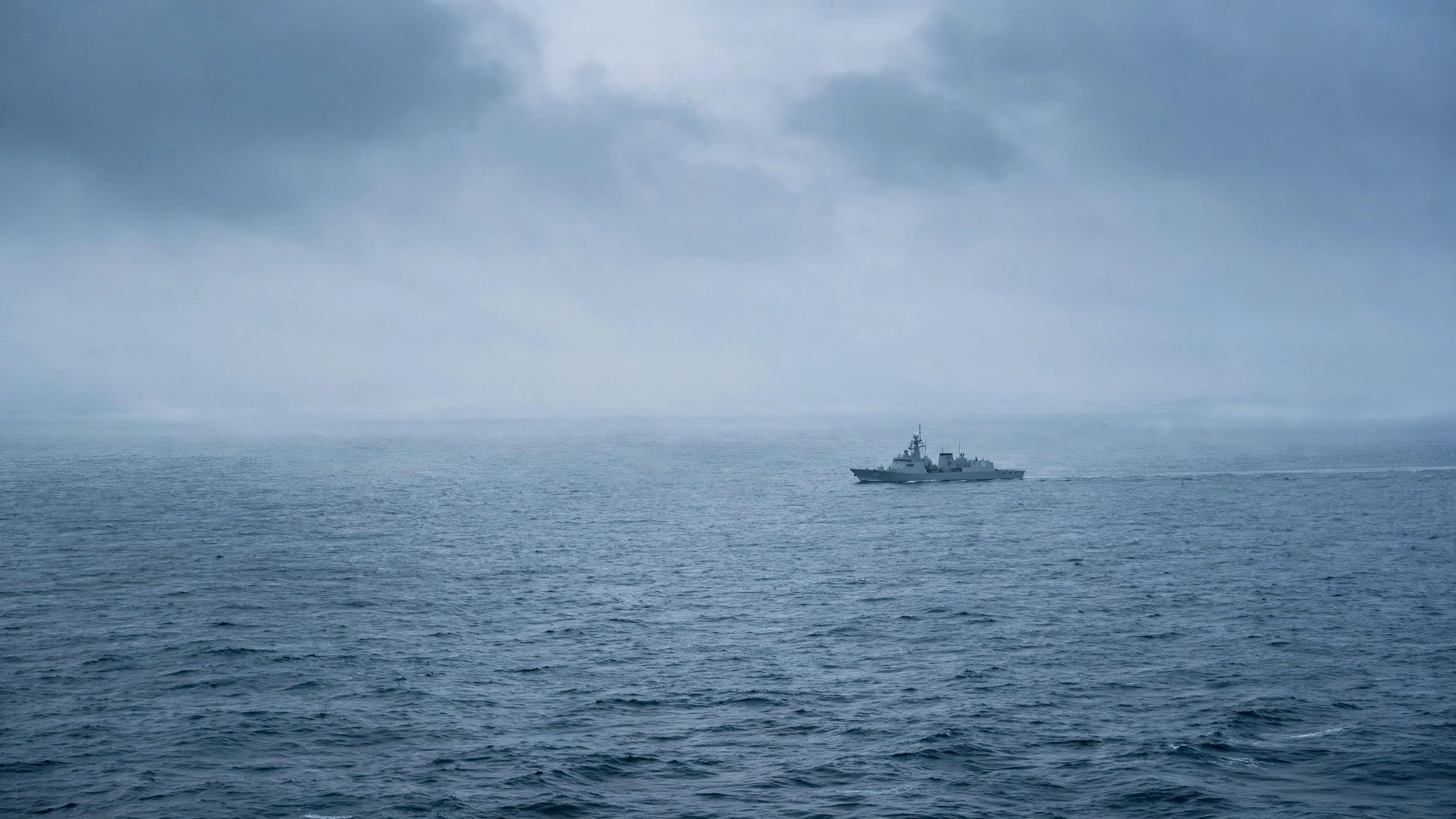
Strikes and talks continue
The announcement came a day after President Donald Trump confirmed fresh U.S. strikes on an Iranian air defense system on Qeshm Island in the Strait of Hormuz, which he described as “minor strikes.” Iran’s official news agency IRNA reported the sound of two explosions on Qeshm on Saturday, along with blasts in the cities of Jask, Sirik and Bandar Abbas.
At least 11 ships have been attacked in and around the Strait of Hormuz over the past week, and three of them sank, according to the United Kingdom Maritime Trade Operations. Iran’s Revolutionary Guard Navy said Saturday that two oil tankers hit mines near the strait and suffered severe damage.
Talks to end the fighting continued at the same time. Qatar’s prime minister said Saturday that mediation between Washington and Tehran remained active, and Iran’s foreign minister said he had spoken with 12 foreign ministers in 48 hours to prevent further escalation. Under a proposal from Qatar reported by the Guardian, the United States would lift the blockade and release some frozen Iranian assets, while Iran would let inspectors from the International Atomic Energy Agency visit bombed nuclear sites.
Reporting based on coverage by Al Jazeera and the New York Post.