Trump Signs Executive Order Creating NIH Women’s Health Division, Led by Susie Wiles and RFK Jr.
President Donald Trump and first lady Melania Trump signed an executive order Monday creating a new Women's Health Division at the National Institutes of Health and a White House task force, directing research money toward diseases that hit women hardest.
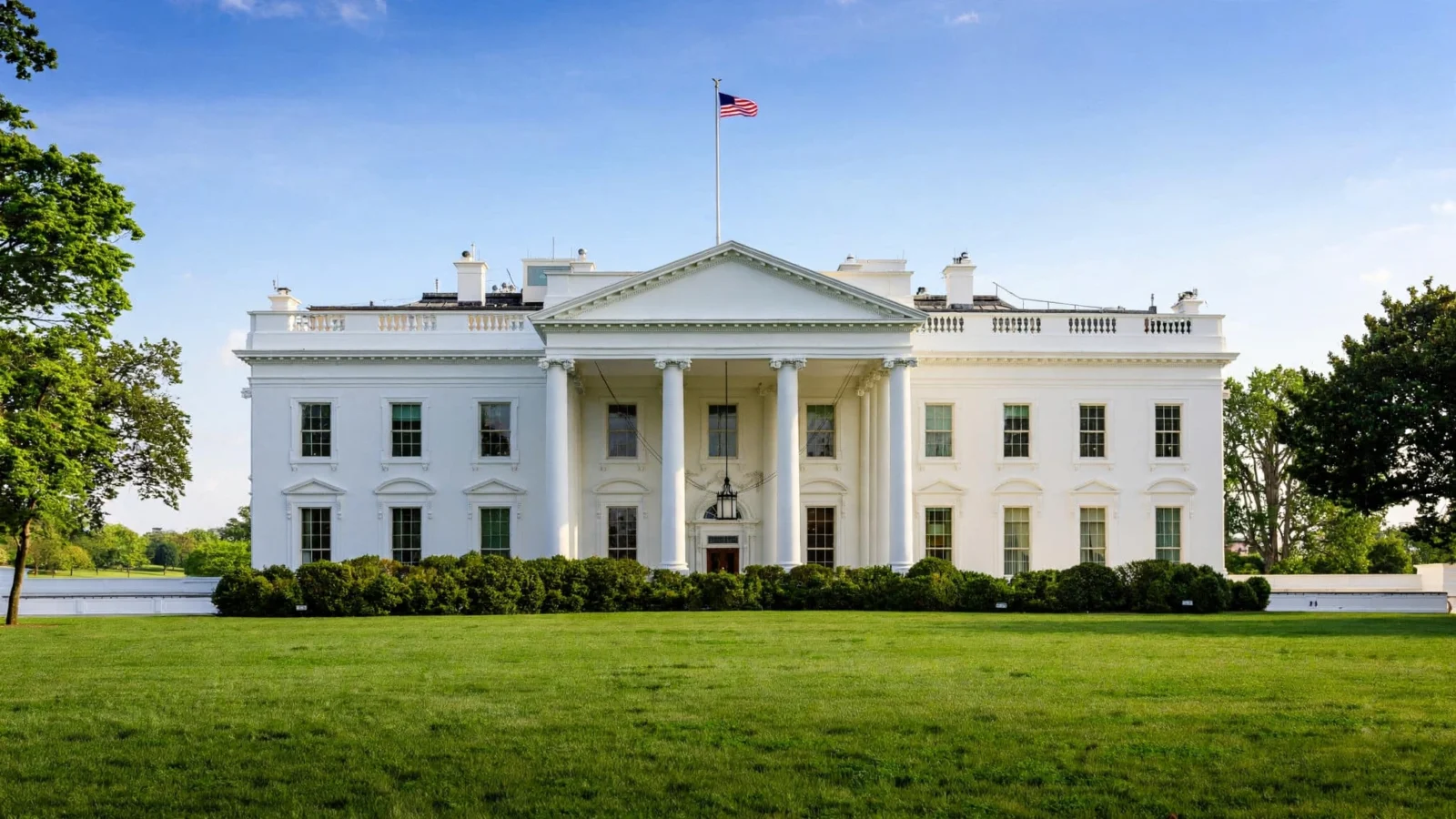
President Donald Trump and first lady Melania Trump signed an executive order on Monday creating a new Women’s Health Division at the National Institutes of Health and a White House task force aimed at changing how the federal government funds research on women’s health, the first lady said at a Rose Garden ceremony.
The couple signed the order together, and the president praised his wife’s “extraordinary leadership and skills,” saying the first lady will “help improve the health of our nation’s women and girls,” according to the New York Post, which covered the ceremony.
The task force will be led by White House chief of staff Susie Wiles, who recently announced that she is free from breast cancer, and Health and Human Services Secretary Robert F. Kennedy Jr. The task force planned to hold its first meeting Monday afternoon in the Roosevelt Room, the Post reported.
What the order does
The order directs research funds toward finding cures for diseases that affect women in a disproportionate way, uses artificial intelligence to speed up medical research, and aims to move therapies from the lab to patients faster. It also calls for steps to make treatment more affordable and to expand education around women’s health, according to the New York Post.
An early briefing document obtained by USA Today lists the conditions in view: osteoporosis, Alzheimer’s disease, heart disease and stroke, along with maternal health, mental health and endometriosis. The White House has not shared the amount of money designated for research or treatment, USA Today reported.
The new division will not replace the NIH Office of Research on Women’s Health, which has handled women’s health research since 1990, according to USA Today. Its mandate will be broader, coordinating agencies to accelerate scientific discoveries and improve care for women and girls. Reuters reported the same detail earlier in the day.
Melania Trump’s push
The first lady pressed her husband’s administration to give women’s health greater weight in medical research, USA Today reported in an exclusive. She organized working sessions with physicians and experts from the public and private sectors, met with officials from Health and Human Services, and worked to understand gaps in care.
“I acted quickly and organized working sessions between the doctors who I originally consulted, East Wing policy makers, the President, Secretary Kennedy, and other key stakeholders to shape this Executive Order, establish the task force, and create a new department within the NIH, dedicated to women’s health exclusively,” the first lady said in a statement provided to USA Today by her senior adviser, Marc Beckman.
“It was abundantly clear that women’s healthcare needs to be modernized, the research gap closed, and further, the need to accelerate the discovery of treatments and cures was glaring,” she said.
Reaction and context
The initiative lands two weeks before the midterm elections. USA Today cited an August University of Amherst poll putting the president’s approval rate among women at 29%. Former President Joe Biden signed a women’s health executive order of his own in March 2024, focused on heart disease, menopause, perimenopause, endometriosis and Alzheimer’s disease.
Some advocates said they welcome the commitment but will watch what follows. Jennifer Weiss-Wolf, executive director of the Birnbaum Women’s Leadership Center at New York University’s School of Law, told USA Today that the president’s record on health policy sits at odds with the order’s promises, pointing to what she described as cuts in the One Big Beautiful Bill Act and moves to curb scientific research. Reuters also noted that the administration has urged health care cuts, including at NIH, and moved to downsize the federal health workforce.

Reporting based on coverage by the New York Post, USA Today and Reuters.