Orionid meteor shower peaks tonight with up to 20 meteors an hour
The Orionid meteor shower peaks overnight Wednesday into Thursday, with up to about 20 meteors an hour under dark skies; the best viewing window runs from about 3 a.m. through dawn after the moon sets.
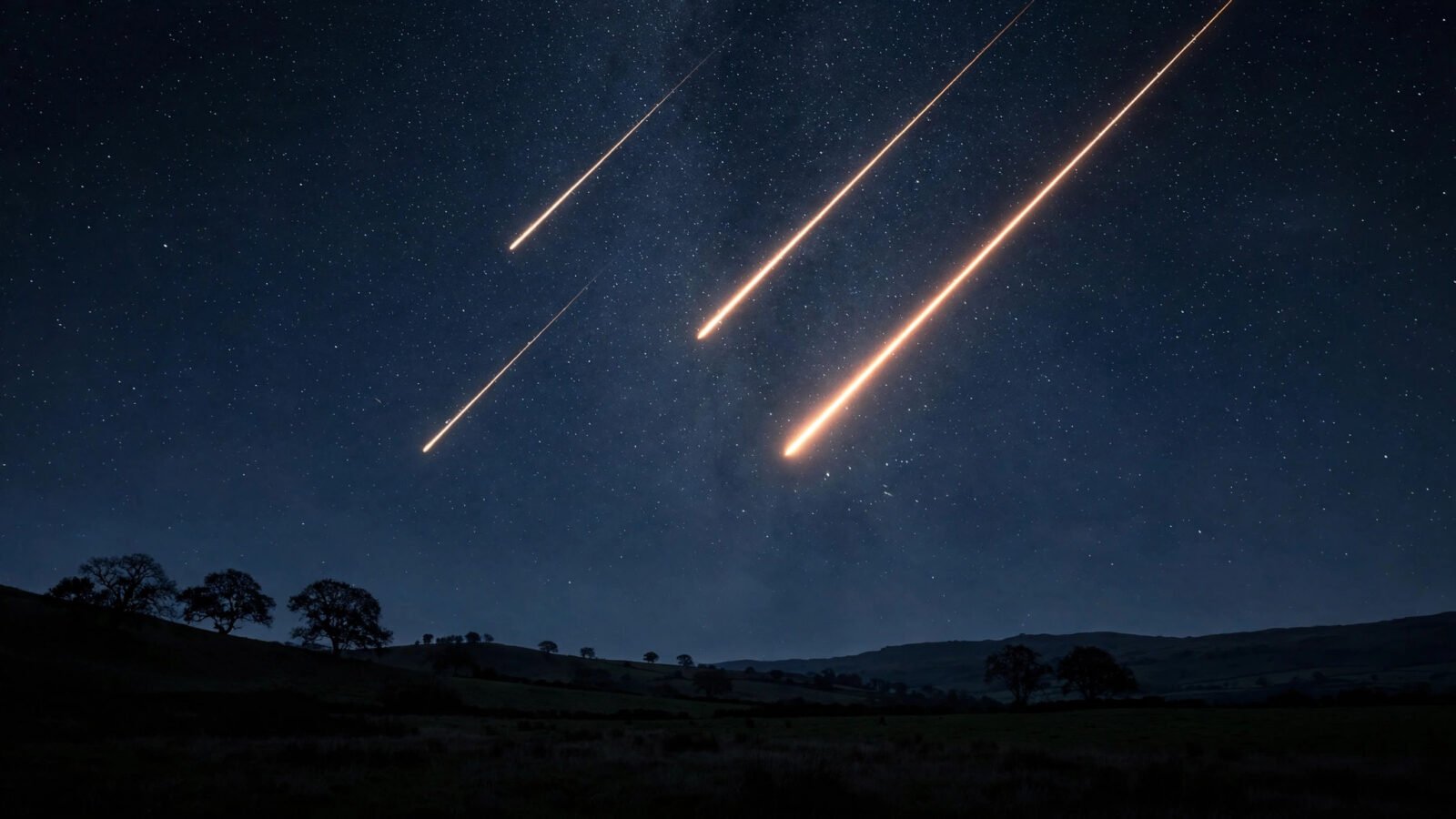
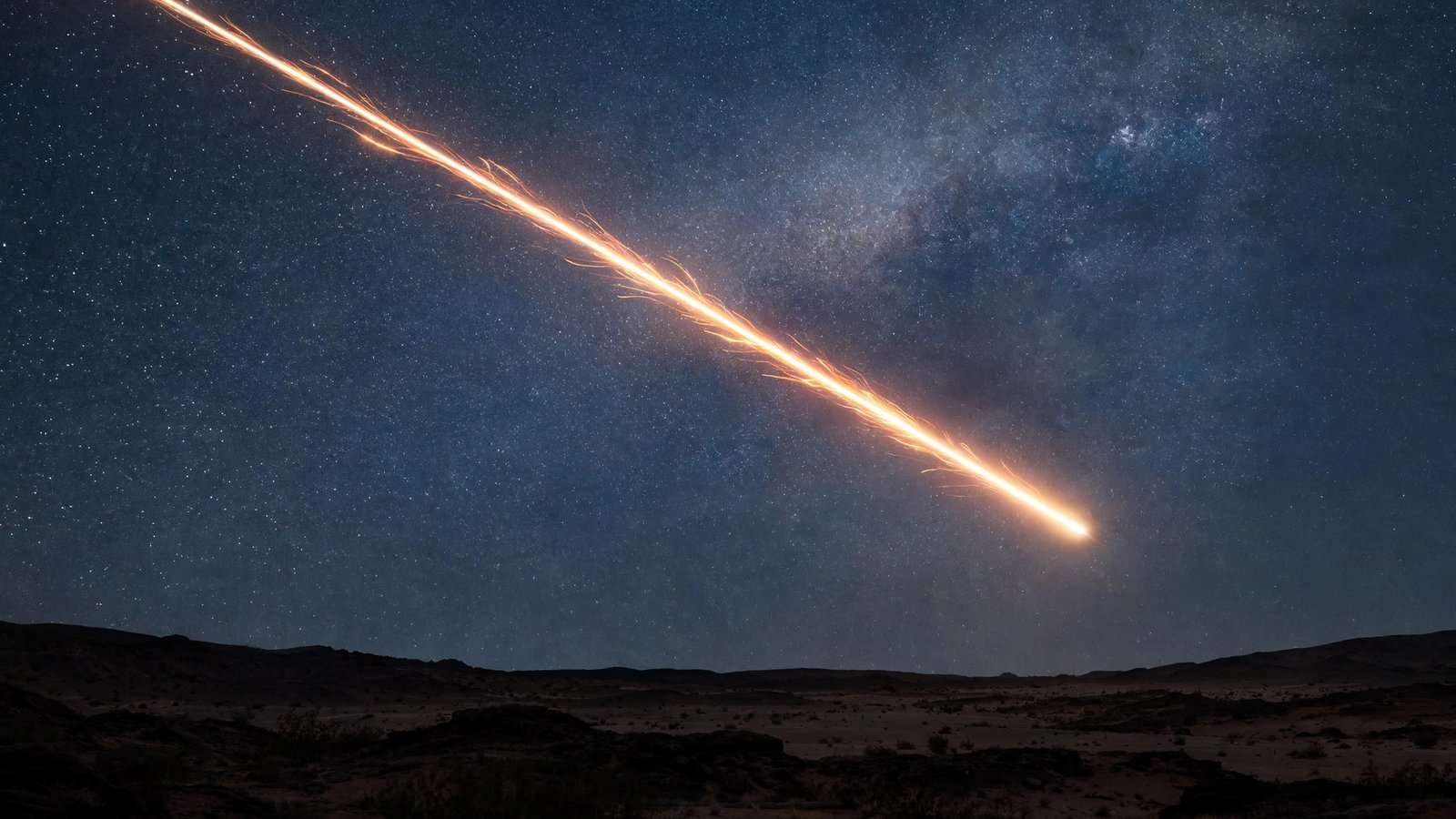
The annual Orionid meteor shower reaches its peak overnight Wednesday into Thursday, giving stargazers a chance to see fast-moving meteors streak across the sky, according to NASA and the American Meteor Society.
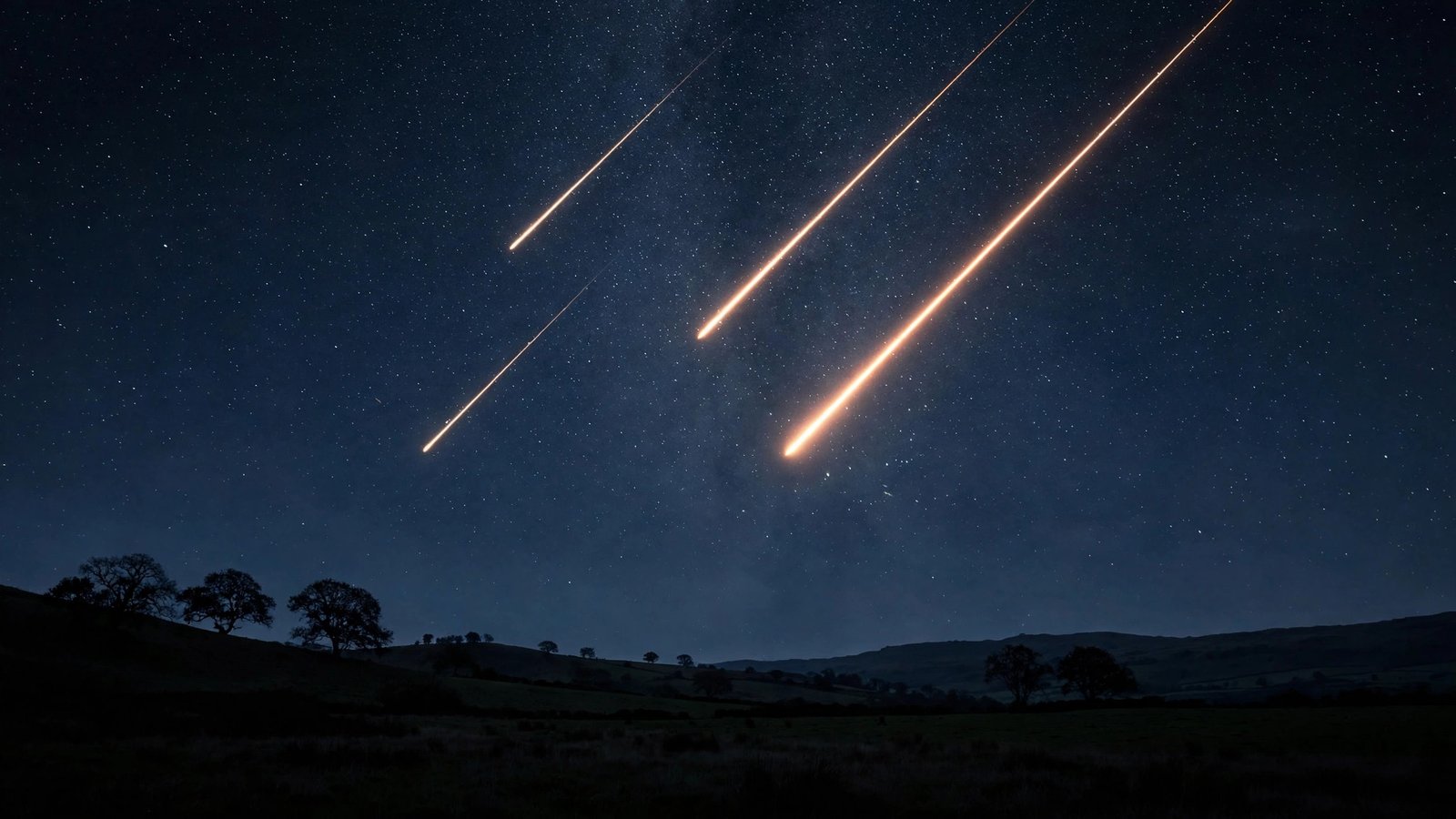
Under ideal dark skies, the Orionids can produce up to about 20 meteors per hour, the American Meteor Society says. Forecast estimates run up to about 18 per hour from a dark site, seven from suburban skies and three from a city center during the best predawn hours.
The meteors are debris left behind by Halley’s Comet, which last swung past Earth in 1986 and will not be visible again until 2061.
When to watch
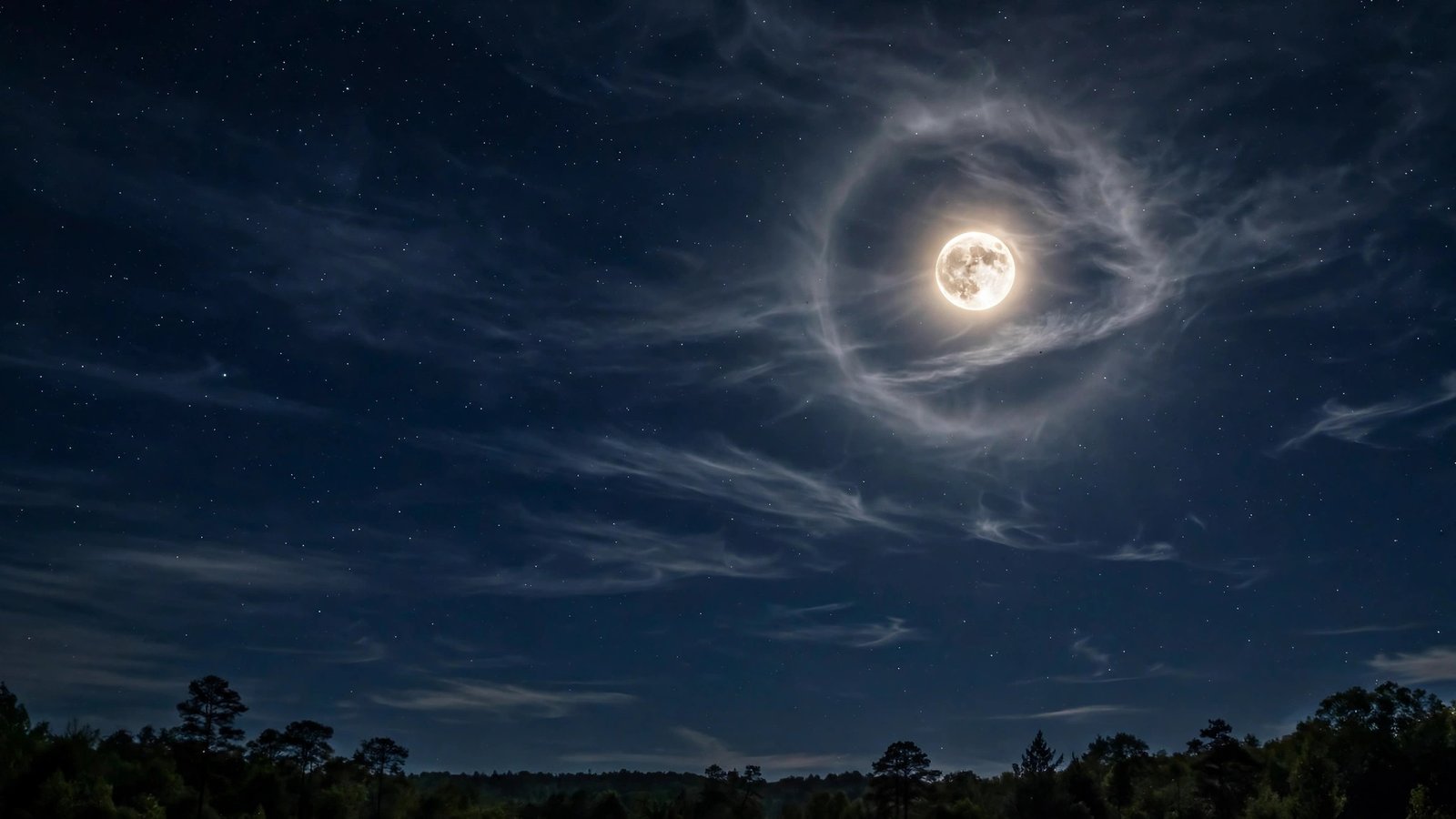
The best viewing window comes after a bright waxing gibbous moon sets and before morning twilight. For the New York and New Jersey region, the moon is expected to set around 3:12 a.m. Thursday, so the hours roughly from 3 a.m. through dawn offer the best chance, according to Time and Date calculations reported by NorthJersey.com. Astronomy calculations put the most favorable stretch between about 4:25 and 5:36 a.m.
The shower has a broad maximum, so meteors may remain visible on nearby nights if clouds interfere during the peak. The shower stays active from Oct. 2 through Nov. 7, weather permitting.
Viewing tips
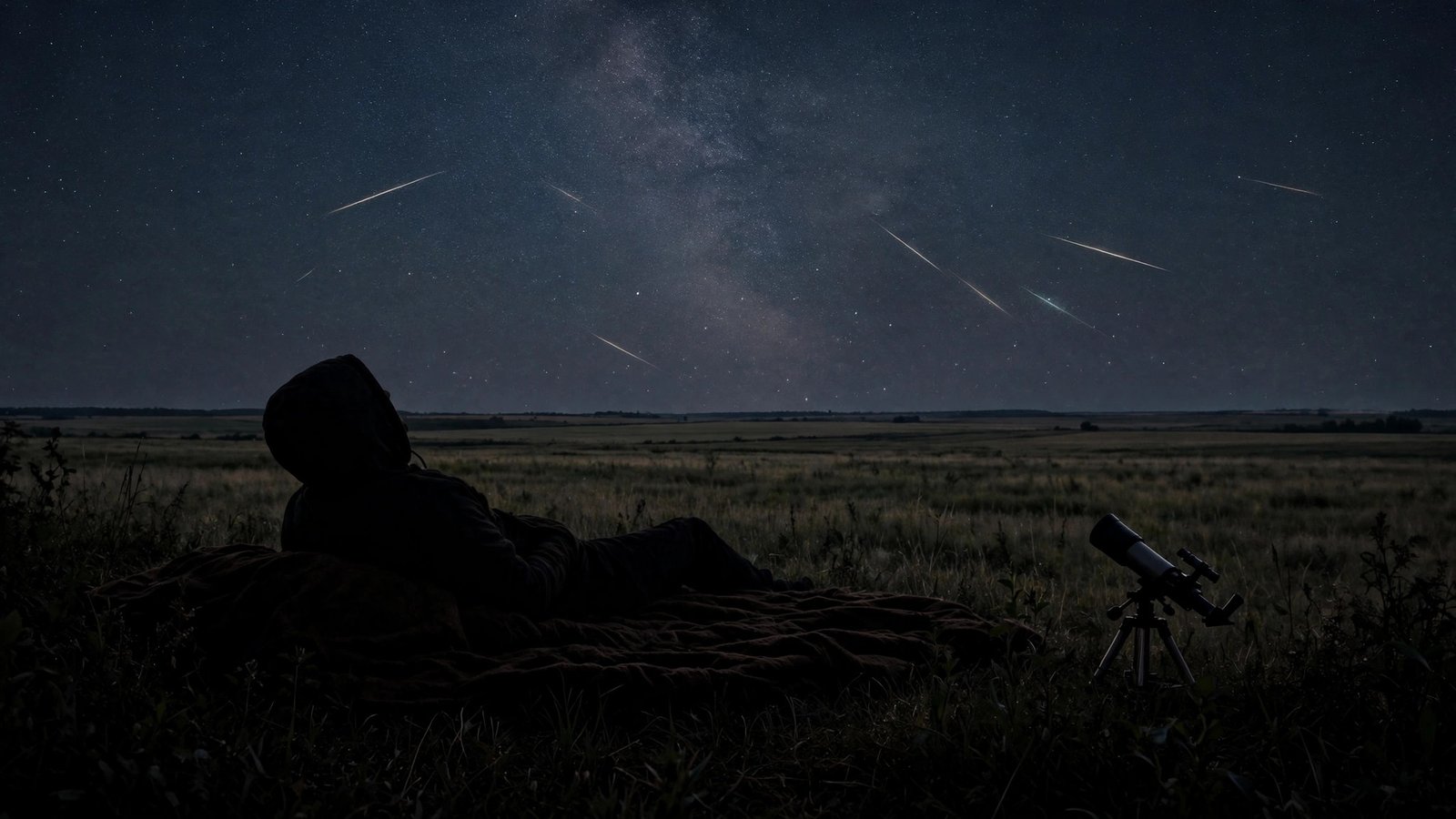
No telescope is needed. The meteors appear to radiate from the constellation Orion, but they can streak across any part of the sky, so observers are advised to use a wide, dark view and not stare directly at Orion.
Find a spot away from bright lights, lie back and give your eyes 15 to 20 minutes to adjust to the dark. A bright phone screen resets that clock.
The next major shower after the Orionids is the Leonids, arriving in mid-November.
Reporting based on coverage by NorthJersey.com and Weather.com.