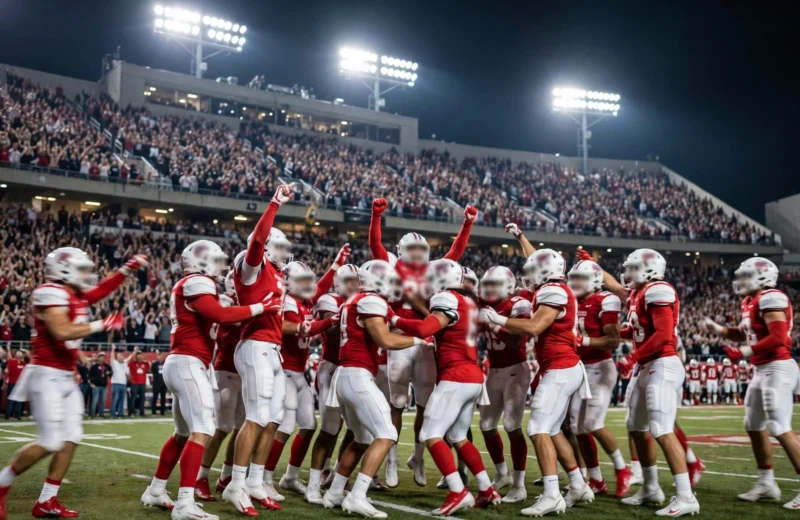
NFL Asks Supreme Court to Let States Regulate Kalshi Sports Contracts
The league's October 8 brief backs New Jersey's case against Kalshi, arguing sports event contracts need state gambling safeguards as appeals courts split over whether the CFTC alone should oversee prediction markets.
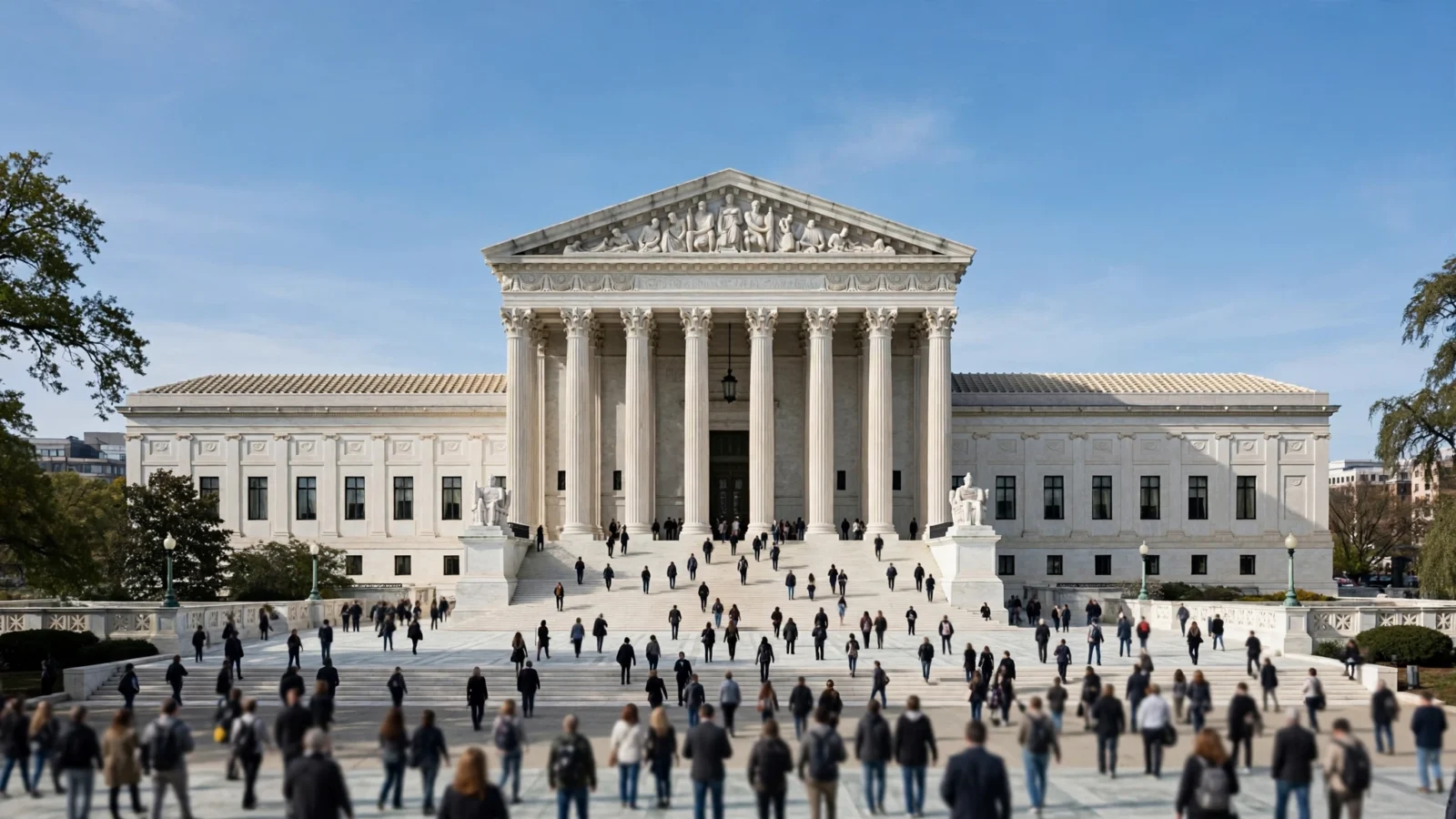
The NFL has asked the U.S. Supreme Court to take up New Jersey’s dispute with prediction-market operator Kalshi, arguing that contracts tied to sporting events should be governed by state gambling rules rather than treated solely as federally regulated financial products.
In an amicus brief dated October 8 and posted to the court’s docket that day, the league said preserving the integrity of its games is its highest priority and warned that conflicting rulings in the lower courts leave that effort exposed, according to RG.org’s review of the filing. New Jersey petitioned the court on September 2 to review an April 6 decision by the U.S. Court of Appeals for the Third Circuit, which held that Kalshi’s sports contracts fall under the Commodity Futures Trading Commission’s exclusive jurisdiction. The Sixth and Ninth circuits have since reached the opposite conclusion, RG.org reported. Kalshi’s response to the petition is due November 9.
The scale of the market is central to the league’s argument. According to the brief, NFL-related trading accounted for $1.8 billion of the $3.3 billion in prediction-market volume on the first Sunday of this season — more than half of all activity that day, RG.org reported.
Where the league says federal oversight falls short
The NFL contrasted state-licensed sportsbooks with what it described as a more hands-off federal approach. It said it maintains a list of prohibited wagers that its sportsbook partners must follow — covering, among other categories, bets a single person could manipulate, such as a missed field goal; bets involving injuries; bets tied to officiating; and bets on outcomes that can be known in advance, such as the first play of a game — and that it has asked prediction markets and the CFTC to adopt similar limits without success, according to RG.org.
The brief also highlighted age rules: states generally require sports bettors to be 21, while federal rules allow 18-year-olds to trade on prediction markets, meaning an 18-year-old barred from a licensed sportsbook in nearly every state could place the same wager through Kalshi, according to the filing as summarized by RG.org. “Neither the CFTC nor the prediction market companies themselves — despite our persistent urging — have banned categories of bets susceptible to manipulation or set a 21 age limit,” the NFL told CNBC, in a statement reported by NBC Sports.
The league further noted staffing differences, saying gaming regulators in Nevada and Pennsylvania each employ close to 400 people, while the CFTC has 543 employees covering the entire country and a far broader derivatives market, according to RG.org. It added that exchanges can self-certify new contracts and begin trading them the next business day.
A ruling either way
Legally, the NFL argued that the definition of a swap under the Dodd-Frank Act was meant to cover instruments used to hedge pre-existing risk, not wagers that create risk primarily for gambling, and that Congress did not federalize a multibillion-dollar sports-betting industry through that single definition, according to RG.org.
The league said it wants clarity before another season passes. If the justices side with the states, state licensing and consumer-protection rules would apply to prediction markets; if they find the CFTC is the exclusive regulator, the NFL said it would press the commission, the exchanges and Congress to adopt stronger protections ahead of the 2027 season, RG.org reported.
The NFL’s filing joined several other briefs submitted October 8, including one from the American Gaming Association and others from tribal organizations, according to RG.org. Whether the court agrees to hear the case will turn first on Kalshi’s response next month — and on whether the justices see the circuit split as one they need to resolve now.
Reporting based on coverage by NBC Sports and RG.org.