New York City Releases 84,000 More 9/11 Records as Public Archive Passes 440,000 Pages
The third batch of records under the city's court agreement with 9/11 Health Watch covers air quality, debris and the government's response after the attacks. The portal has drawn more than 11 million visits since it opened in September.
New York City released 84,000 more records on Sunday about the September 11, 2001, attacks and their aftermath, bringing the city’s public archive to more than 440,000 pages.
Mayor Zohran Mamdani and the New York City Law Department announced the release, the third batch of records made public under a court agreement between the city and 9/11 Health Watch. The records cover air toxins, debris and the government’s response in the aftermath of the attacks, and they are available at the city’s portal, nyc.gov/sept11docs.
The portal, launched in September, has passed 11 million unique visits, the city said. The mayor’s fiscal 2027 budget includes $34 million to build and maintain it.
“We launched the City’s first public portal to make these records accessible to the people who have waited decades for answers,” Mamdani said in a statement. “More than 11 million visits and 440,000 pages later, our work is not finished. We will continue releasing records until survivors, first responders and families have the information and clarity they deserve.”
Most records still unreleased
The archive still holds only a small share of the records. Benjamin Chevat, executive director of 9/11 Health Watch, told the New York Post that fewer than 5 percent of the documents have been released so far. He said the city is living up to its part of the agreement, and more records will be released in the coming months.
City Corporation Counsel Steven Banks said the release gives New Yorkers “an unvarnished window into the City’s post-9/11 response” and makes public information that first responders, survivors and victims’ families “have waited 25 years to see.”
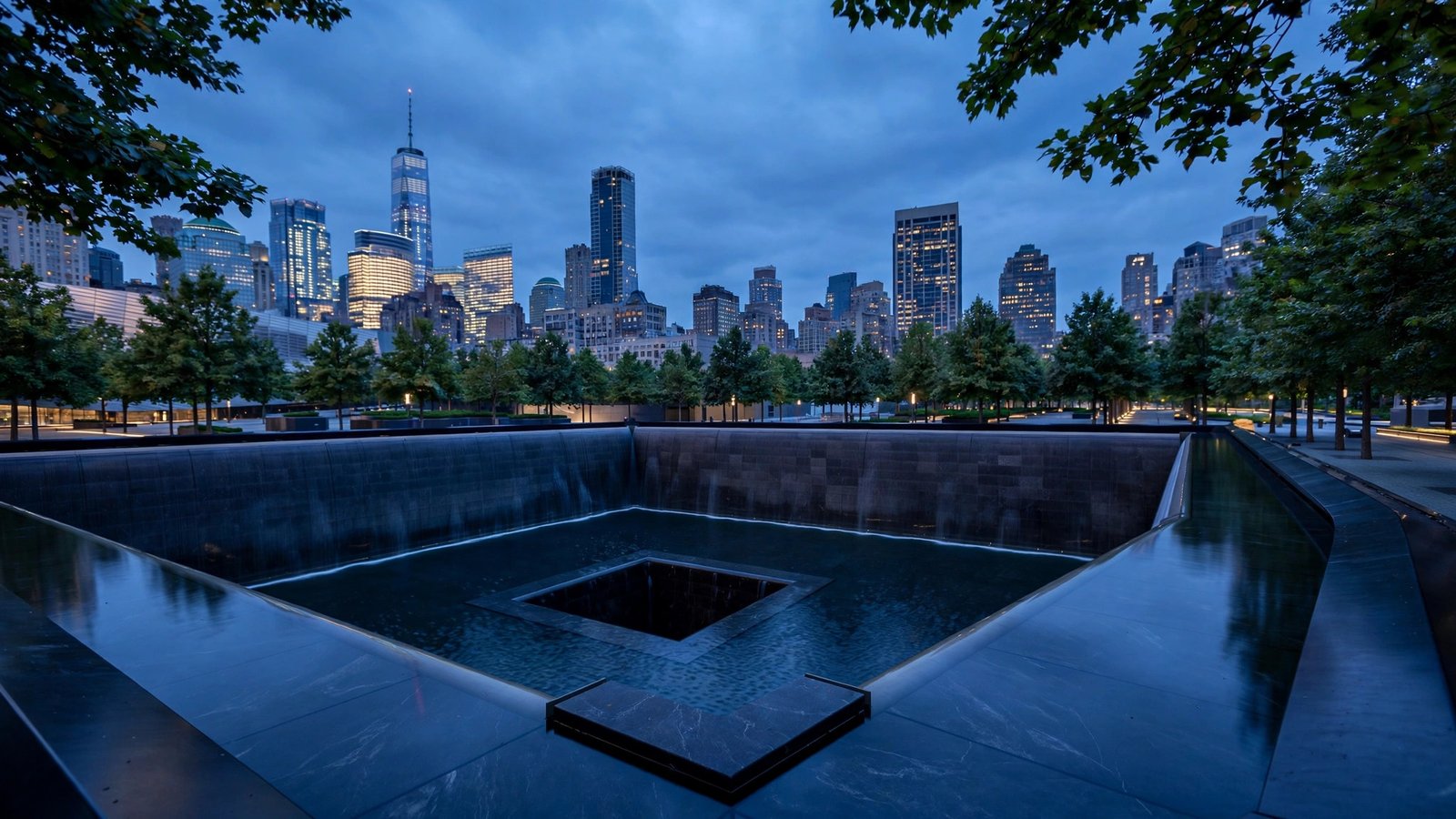
Earlier batches have already turned up material the city had kept from public view, including the Harding Memo and documents known as the “68 Boxes.” A prior release showed that the city Department of Environmental Protection had pleaded guilty to federal environmental crimes weeks before the attacks, including discharging mercury-contaminated water into a tributary of an upstate reservoir that supplied the city’s tap water.
City Council Speaker Julie Menin said tens of thousands of New Yorkers have suffered serious illnesses tied to the toxic conditions in Lower Manhattan after the attacks. The New York Post reported, citing studies, that more responders have died from 9/11-related illnesses than the 2,997 people killed in the attacks themselves.
Reporting based on coverage by the New York City Mayor’s Office and the New York Post.