Bipartisan Senators Demand Trump Reverse Russian Diesel Deal, Citing Ban on Russian Energy Imports
Seven bipartisan senators — four Republicans and three Democrats — urged President Trump on Sunday to scrap his Russian diesel deal, arguing it violates the 2022 ban on Russian energy imports. The administration says it will proceed under existing legal authority.
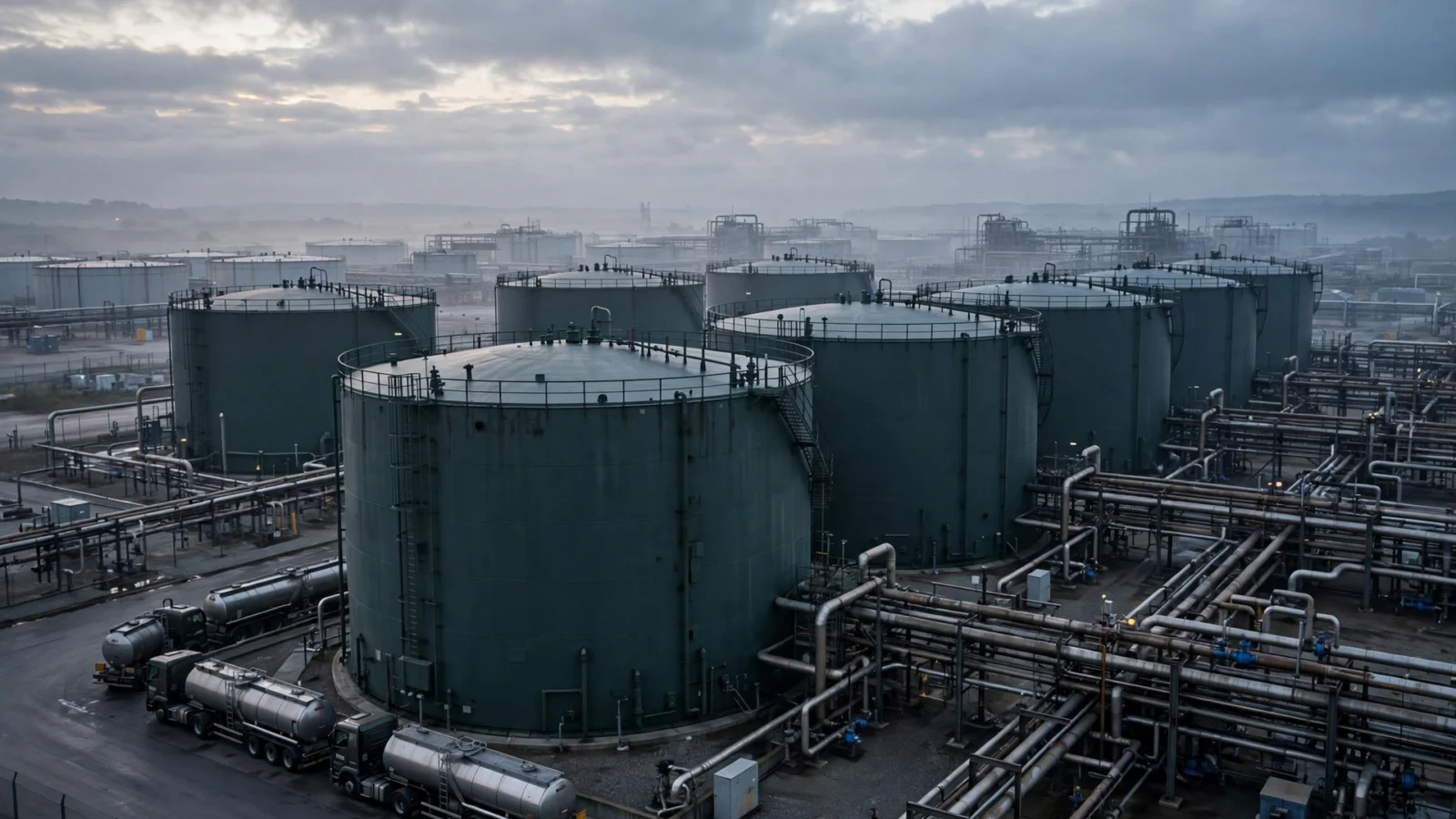
A bipartisan group of seven U.S. senators called on President Donald Trump on Sunday to “reverse course” on his diesel supply deal with Russia, arguing the arrangement runs counter to the federal law barring imports of Russian energy until Moscow ends its war against Ukraine.
“Congress explicitly banned Russian energy imports in 2022 to prevent American dollars from financing (Russian President Vladimir) Putin’s brutal war against Ukraine,” the four Republicans and three Democrats said in a joint statement. “The United States should not provide Putin with a financial lifeline while Russia continues to kill Ukrainian civilians. The administration must immediately reverse course.”
The senators said the administration had failed to consult Congress or submit an explanation of its decision, as required by statute. The statement was signed by Republicans Susan Collins of Maine, Lisa Murkowski of Alaska, Thom Tillis of North Carolina and John Curtis of Utah, along with Democrats Jeanne Shaheen of New Hampshire, Richard Blumenthal of Connecticut and Ron Wyden of Oregon.
Tillis went further in a Sunday appearance on NBC’s “Meet the Press,” saying there is “a legitimate case for saying the president’s not following the law” if the administration moves ahead with the purchases, and that the deal might be illegal and put American lives at risk.
Trump announced on Friday that he had struck a deal with Putin in a phone call, saying Russia would immediately supply more than 300,000 tons of diesel to American and global markets, followed by another 500,000 tons in November, an additional 1 million tons “immediately thereafter,” and 3 million tons more “within a short period of time.” His administration temporarily lifted U.S. sanctions on Russian fuel to carry it out.
Administration defends the deal
Treasury Secretary Scott Bessent pushed back on Sunday, telling Fox News the administration would follow through with the deal using existing legal authority and that the agreement was good for the American people and would bring prices down.
“We’re going to do it with all the legal authorities we have,” Bessent said, rejecting the idea that the 2022 law or other sanctions statutes bar the purchases.
Senate Majority Whip John Barrasso of Wyoming also defended the pact on CBS’s “Face the Nation,” saying Trump is focused on bringing costs down and must “make tough decisions,” with diesel prices sitting near record highs ahead of the November 3 midterm elections.
Criticism from both parties and abroad
Trump’s own former vice president, Mike Pence, called the decision to lift sanctions on Russian oil a “betrayal” of the legacy of the late Senator Lindsey Graham and urged Trump to “rescind” it. Trump signed the “Lindsey O. Graham Sanctioning Russia and Iran Act of 2026” into law last month. Representative Don Bacon, a Nebraska Republican, also criticized the plan, writing on X that propping up Putin’s war economy is “morally wrong.”
Canadian Prime Minister Mark Carney told Ukrainian President Volodymyr Zelenskiy in a Sunday call that the diesel deal “is in direct opposition to the efforts of Ukraine, Canada, and our allies to create peace and stability in Europe,” according to a statement from Carney’s office.
In a separate social media post on Sunday, Trump claimed Ukraine and Russia had agreed to what he called an “energy ceasefire” taking effect immediately. Zelenskiy said he was still waiting to see details of any agreement, adding that “Ukraine supports the ceasefire, and it is important that Russia support it as well.” There was no word from Moscow.
Global oil prices climbed in early Monday trading after weekend attacks by Houthi militants on Riyadh’s main airport, with Brent crude futures up 1.2% to $105.91 a barrel and U.S. benchmark crude up 1.2% to $92.93, according to early market reports.
Reporting based on coverage by TBS News, USA Today, The Associated Press, Reuters, Barron’s and Investor’s Business Daily.