China Proposes Export Controls on 40 AI, Biotech and Solar Technologies
China proposed adding 40 technologies — 23 in artificial intelligence, five in biomedicine and 12 in solar — to its catalogue of restricted exports on Friday. Public comments are open until November 15, and an interim pre-export registration requirement is already in effect.

China’s Ministry of Commerce and Ministry of Science and Technology issued a joint announcement on Friday proposing to add 40 technologies across artificial intelligence, biomedicine and photovoltaics to the country’s catalogue of technologies prohibited or restricted from export.
The proposal, designated Announcement No. 48, is open for public comment until November 15. At the same time, Beijing has imposed an interim pre-export registration requirement that is already in effect — including for exports that have already started but are not yet complete.

What the list covers
The 23 AI technologies on the proposed list cover large AI models, AI agents, computing clusters and information processing. Technologies that have already entered the public domain through open-source releases or academic publications would not be covered, according to the announcement.
The five biomedical technologies relate to cell and gene therapies, small nucleic acid drugs and pathogenic microorganisms. The proposal also sets out facilitation measures, including automatic licensing for overseas licensing arrangements that do not involve a transfer of ownership.
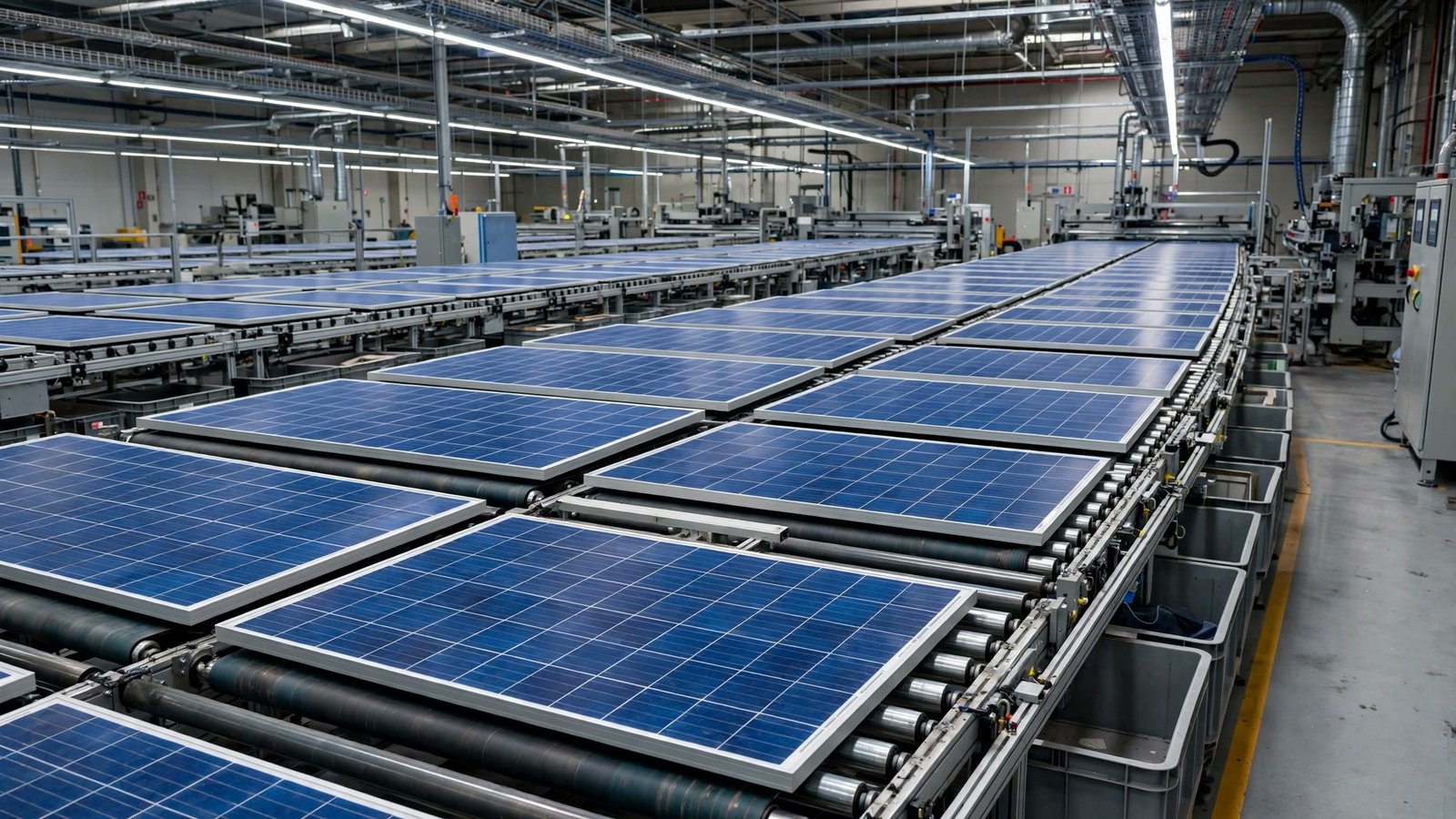
The 12 photovoltaic technologies cover polysilicon manufacturing, silicon wafer production and solar cell manufacturing, with controls also extending to core equipment incorporating those technologies.
Registration begins now
From the date of the announcement until the revised catalogue formally takes effect, technology exporters must register qualifying exports before proceeding, through the technology trade management information system on the commerce ministry’s unified business platform. Registration covers transfers of technology ownership to overseas entities, licensing of domestically held technology for overseas use, and changes in ownership or control that put the technology in overseas hands.
In a separate statement, the ministry said the revision was proposed as applications of the technologies in sensitive fields continue to expand, and that the move was routine and does not target any specific country, region or entity. The announcement comes amid rising competition and geopolitical tension between China and the United States over frontier AI development, according to Reuters.
Reporting based on coverage by Reuters and Geopolitechs.