Missouri Judge Approves Bayer’s $7.25 Billion Settlement of Roundup Cancer Lawsuits
A Missouri judge approved Bayer's $7.25 billion settlement covering current and future claims that the weedkiller Roundup caused non-Hodgkin lymphoma, a deal that could close a decade of litigation that followed Bayer's purchase of Monsanto.
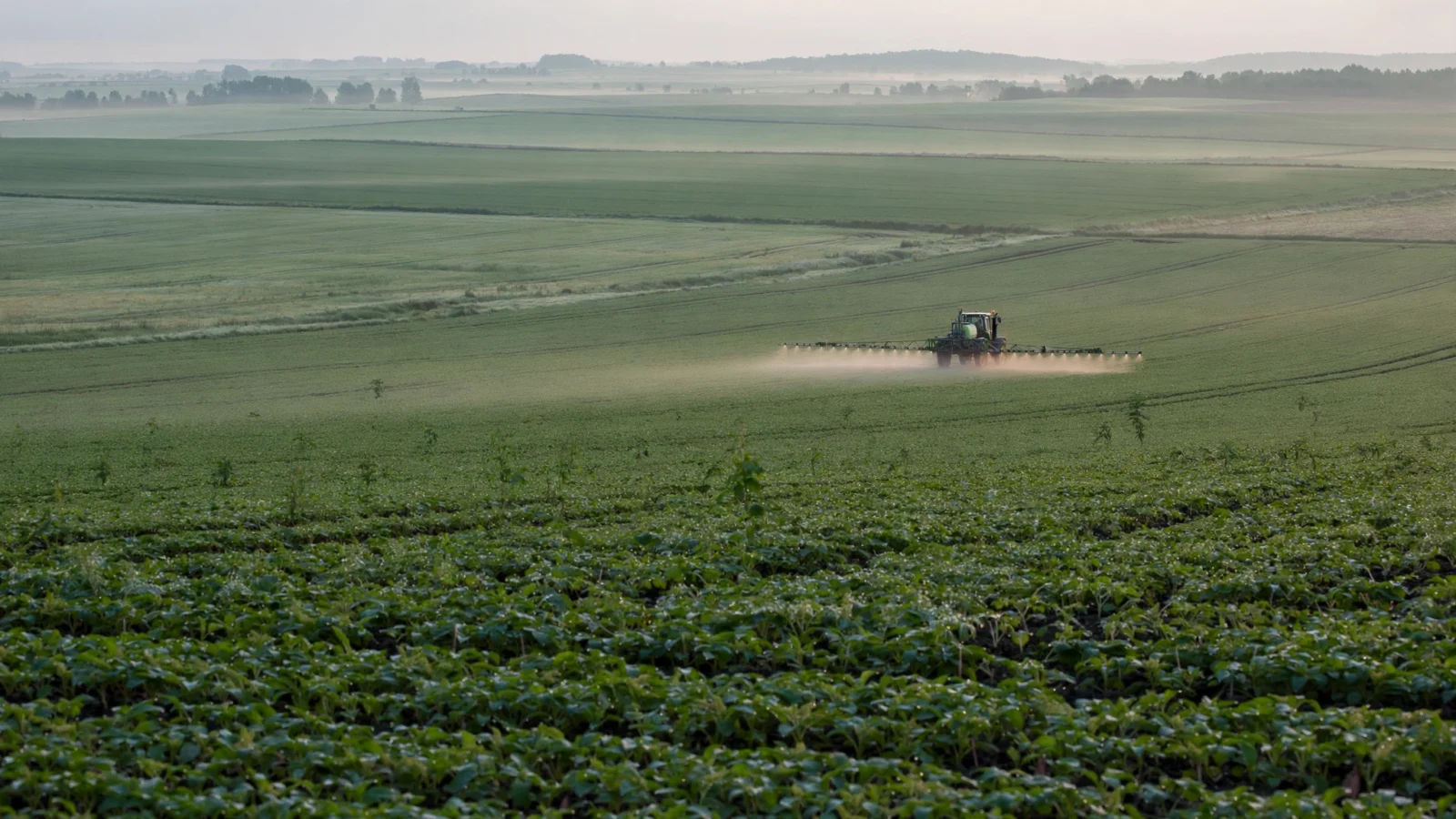
A Missouri judge on Friday approved Bayer’s $7.25 billion settlement of lawsuits claiming that its weedkiller Roundup causes cancer, a decision that could bring to a close litigation that has weighed on the company for a decade.
St. Louis Circuit Judge Timothy Boyer called the payouts “fair and adequate” and the total “among the largest in the history of mass tort personal-injury class action settlements.” The deal covers about 65,000 claims in U.S. state and federal courts from people who say they developed cancer after using Roundup at home or at work, according to Reuters.
Payments to people who were exposed to Roundup and developed non-Hodgkin lymphoma, a form of cancer, will range from $10,000 to $165,000. The amount will depend on how severe the illness is, the age at diagnosis and whether the person was exposed at home or at work. Bayer will pay into a special fund over as long as 21 years, for a total of up to $7.25 billion. The approved settlement includes $600 million for attorneys’ fees. The decision can be appealed.
A decade of litigation after the Monsanto purchase
Bayer took on the Roundup lawsuits when it bought Monsanto in 2018. The company spent about $10 billion in 2020 to settle most of the lawsuits that existed then, and it has set aside $16 billion for legal costs tied to Roundup. About 200,000 Roundup-related claims have been made against Bayer in all, according to the Associated Press.
The settlement was announced in February, while Bayer was waiting for the U.S. Supreme Court to rule on whether it could be sued over Roundup’s warning label. In June, the court ruled 7-2 in Bayer’s favor, holding that the company cannot be sued in state courts for failing to warn about cancer because federal rules do not require a cancer warning on the label. The ruling undercut a central claim in many of the lawsuits.

Bayer denies that Roundup causes cancer. The company says decades of studies show that glyphosate, the active ingredient in Roundup, is safe. The U.S. Environmental Protection Agency has said glyphosate is not likely to cause cancer in humans when used as directed, while the World Health Organization’s International Agency for Research on Cancer classified it as “probably carcinogenic” in 2015.
Some lawyers say the payouts are too small
Not all lawyers for cancer patients support the deal. Some say the payouts are too small and the terms too strict. Attorney Gerson Smoger told the court in September that the settlement was “the scariest, worst future settlement that’s ever been contemplated,” saying it locked in future claimants for decades with no chance at punitive damages. Judge Boyer wrote that there was a risk Bayer would have filed for bankruptcy protection if the settlement had been rejected.
Others who support the settlement say it guarantees payment at a time when the Supreme Court ruling made courtroom wins less certain. Christopher A. Seeger, a court-appointed lawyer for cancer patients in the case, said the approval order “delivers guaranteed compensation to Roundup cancer victims who have waited more than a decade for justice.” Bayer chief executive Bill Anderson called the settlement “a decisive milestone in the company’s strategy to mitigate the risks of both pending and future Roundup litigation.”

Reporting based on coverage by Reuters and the Associated Press.