Sen. Thom Tillis Says Trump’s Russian Diesel Deal With Putin May Break the Law
In an Oct. 11 'Meet the Press' interview, the outgoing North Carolina Republican said there is 'a legitimate case for saying the president's not following the law' by importing Russian diesel under a 2022 ban — while energy analysts doubt the deal will meaningfully cut prices.
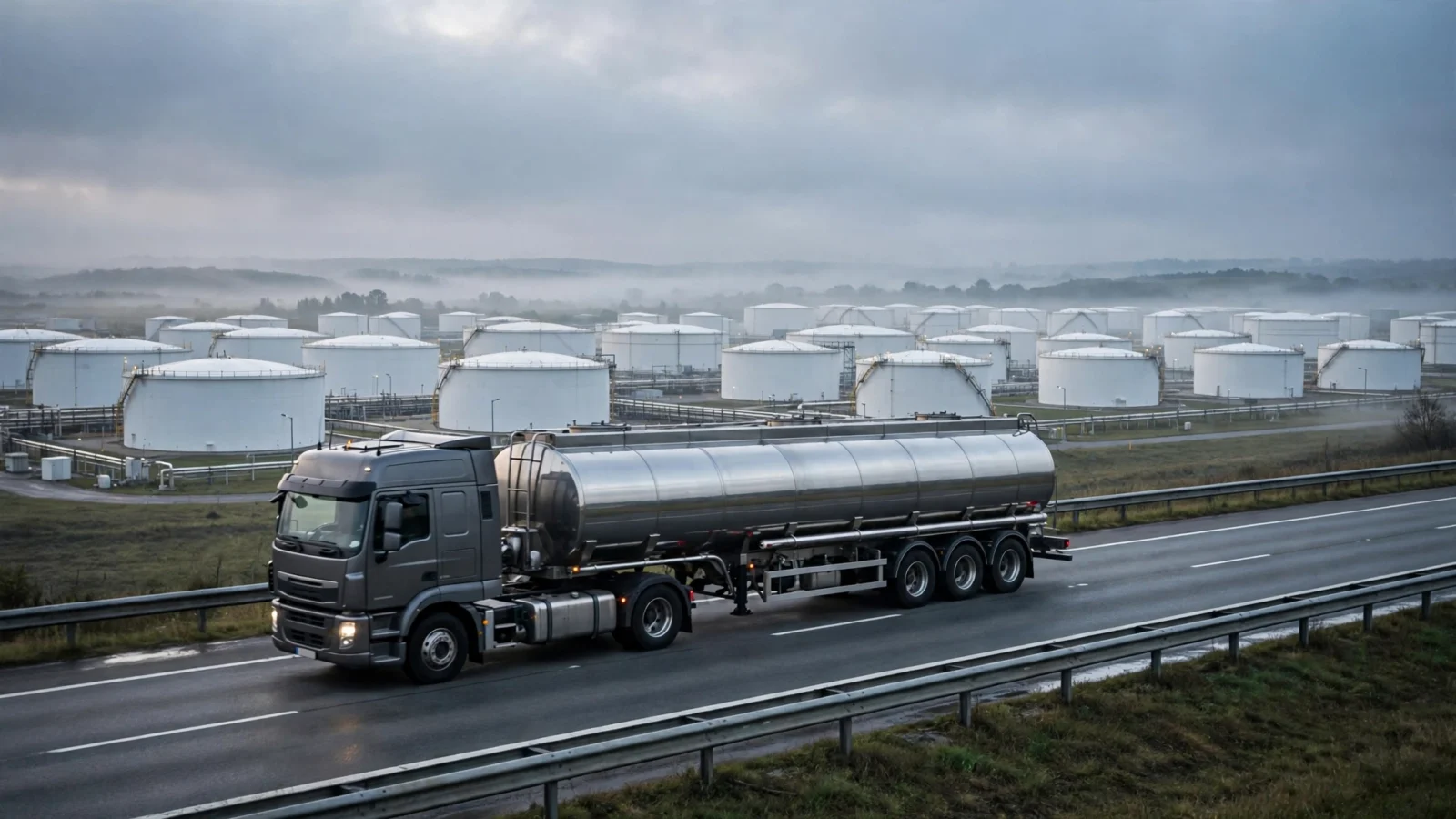
Republican Sen. Thom Tillis of North Carolina said Sunday that President Donald Trump’s deal to import Russian diesel fuel may be illegal, arguing there is a serious question about whether the president is violating a 2022 law banning Russian oil imports.
“I do believe there’s a legitimate case for saying the president’s not following the law,” Tillis said in an interview on NBC’s “Meet the Press.” When asked directly whether Trump is breaking the law, the outgoing senator answered: “I believe that he may be.”
Trump said in an Oct. 9 post on Truth Social that Russia will supply the United States and global marketplaces with 300,000 tons of diesel fuel “immediately,” an additional 1 million tons in November, and 3 million tons more “within a short period of time” — with delivery conditioned on the state of Russia’s diesel refineries. The Kremlin confirmed the deal, saying the “Russian side reaffirmed its readiness to supply oil and petroleum products to U.S. and global markets,” though the full terms were not immediately clear.
Legal questions and sanctions
Congress passed a bill banning Russian oil imports into law in 2022 following Russia’s invasion of Ukraine, and no changes to that law have been made, according to USA Today. The Treasury Department said it is temporarily lifting Russian oil sanctions through April 7, 2027, according to an administration notice — but Tillis argued that the arrangement still raises legal concerns.
Tillis, who is not seeking re-election, also said the deal could put American lives at risk and suggested congressional funding negotiations could be used to discipline the president. “If the president wants my support, which I believe he should get for funding military operations and year-end funding beyond baseline funding, I think the president needs to understand this is a problem, and I’m not the only Republican concerned with this,” he said.
The diesel arrangement was announced just weeks after Trump signed a major Russia sanctions package — legislation named after the late Republican Sen. Lindsey Graham of South Carolina — intended to weaken the Russian economy financing the war against Ukraine.
Tillis also pushed back on Trump’s framing of the war, rejecting the president’s habit of assigning equal blame to Ukrainian President Volodymyr Zelenskyy and Russian President Vladimir Putin. “We were very clear that Russia is the aggressor,” Tillis said. “Russia is the one who can end this war by backing out of territory that they occupied.”
Zelenskyy condemned the sanctions relief in a statement after the announcement. “Any easing of sanctions against Russia without a clear and lasting de-escalation agreement with Russia is an obvious weakness,” he said. “It plays into Russia’s hands – allowing it to kill more, wage war for longer, have even less respect for America, and inflict even greater losses and damage on the world.”
Analysts doubt relief will reach the pump
Energy analysts questioned whether the deal would meaningfully lower fuel prices. “I cannot overstate how much of a nothing burger this is,” Rory Johnston, an oil market researcher and founder of CommodityContext.com, said on X, noting that the November volume equals about 125,000 barrels per day — roughly one-tenth of what Russia usually exports when its refinery fleet is not under Ukrainian drone attack.
Rebecca Babin, a senior energy trader at CIBC Private Wealth, said the deal would amount to about 400,000 barrels of Russian diesel fuel if delivered over three months, depending on refinery availability. “For the midterms, it could still be too little, too late: The smallest volumes arrive upfront, when relief is needed most,” she said.
The national average price of a gallon of diesel has climbed above $6 amid the U.S. war with Iran, straining Midwest farmers and states such as Alaska, where remote communities rely heavily on diesel for electricity and heating. Alaska, Iowa, Kansas and Nebraska have all become midterm battlegrounds amid the price spike.
Reporting based on coverage by USA Today.