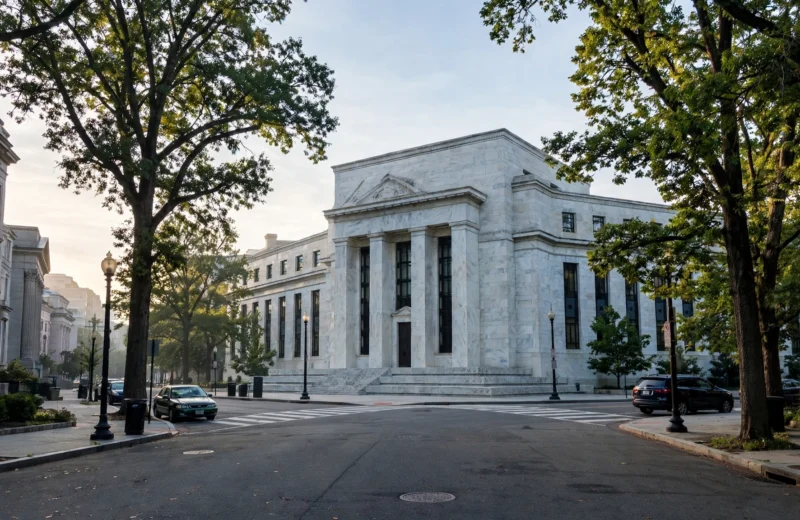
U.S. Regulator Proposes New Rules to Speed Up LNG Projects and Expand Export Capacity
The Pipeline and Hazardous Materials Safety Administration proposed rules to let liquefied natural gas operators use newer technologies, a step the Transportation Department said would save $100 million a year, as the United States looks to add export capacity.
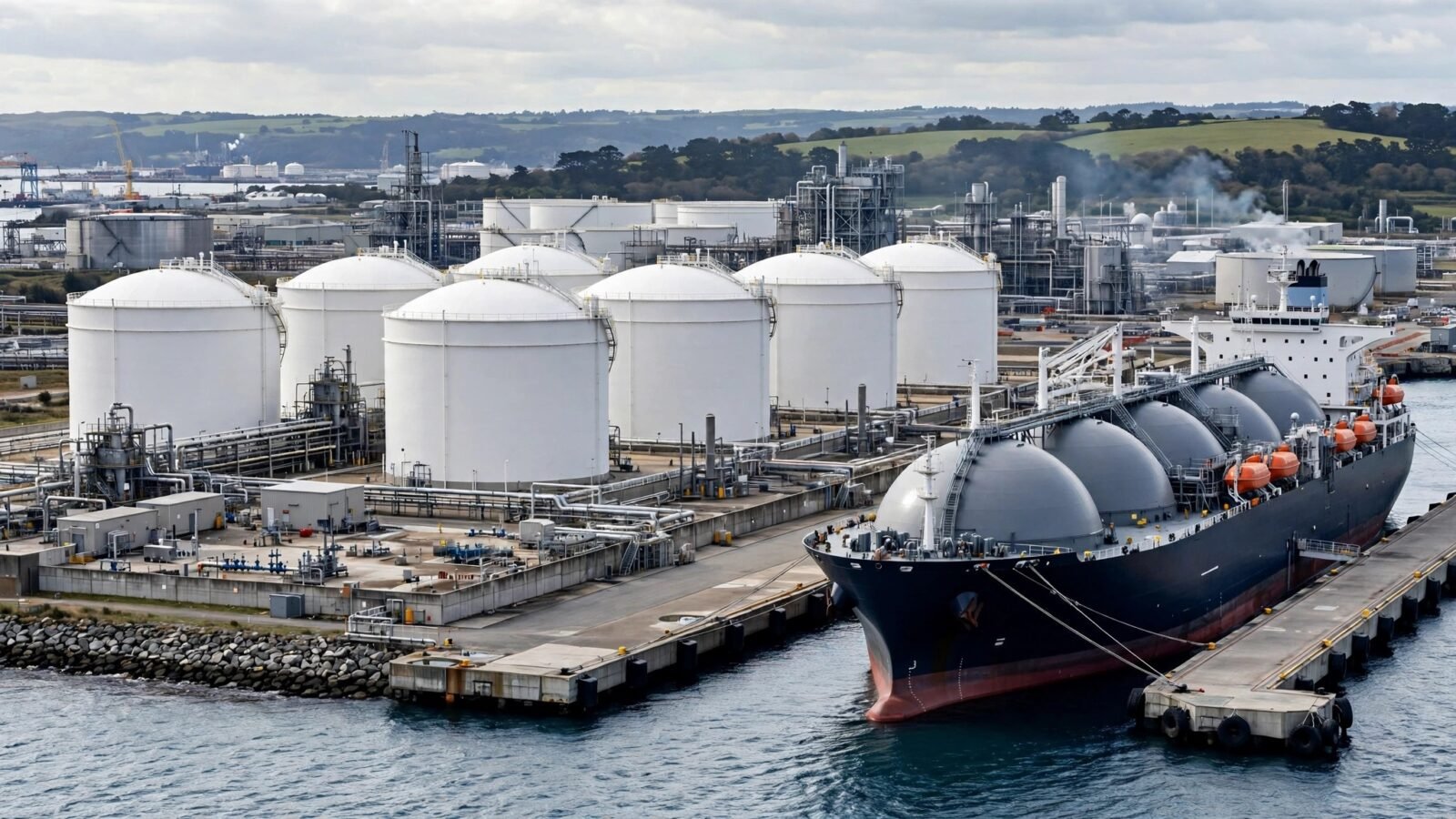
A U.S. regulator proposed new rules on Wednesday to speed up liquefied natural gas projects and expand export capacity, as part of the Trump administration’s push to speed up energy infrastructure development and cut costs for consumers.
The United States is the world’s largest LNG exporter and is expected to add another 100 million metric tons to its production by the end of the decade, according to Reuters. LNG has been at the center of President Donald Trump’s energy agenda since he returned to office: he ordered the resumption of LNG export approvals paused under former President Joe Biden and moved to streamline the environmental approval process.
New safety framework and expected savings
The proposal from the Pipeline and Hazardous Materials Safety Administration (PHMSA) would let operators use newer technologies to cut costs and improve safety, U.S. Transportation Secretary Sean Duffy said. He said the change would save $100 million a year.
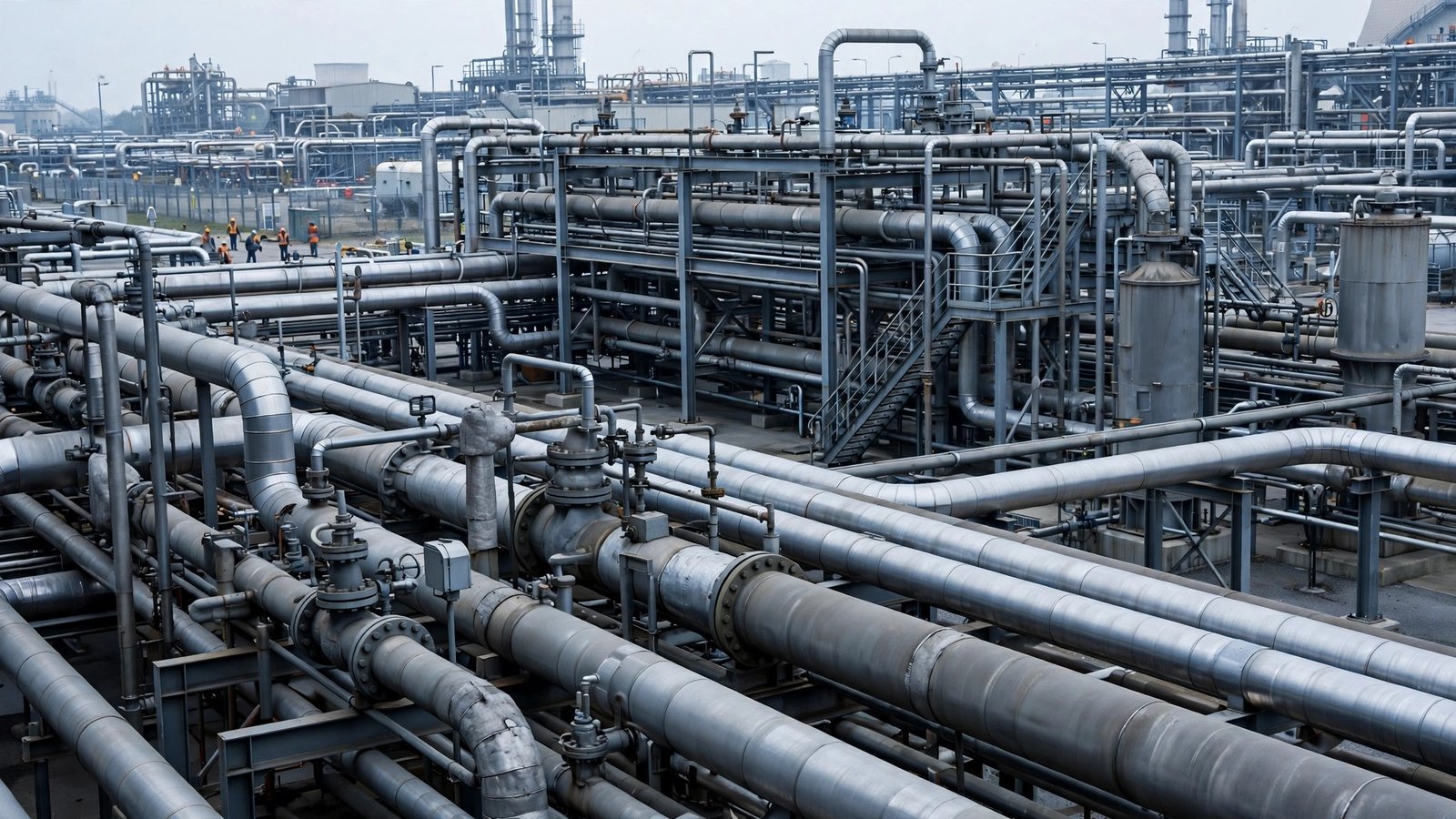
The rulemaking would update PHMSA’s safety framework for LNG facilities by bringing in National Fire Protection Association standards for siting, design, construction, operation and maintenance.
“By overhauling these basic rules to embrace modern technologies, we can safely unleash America’s energy dominance, lower costs, and generate millions in economic opportunity for the men and women powering our energy sector,” Duffy said.
Exports, buyers and remaining hurdles
LNG buyers around the world have sought more diverse sources of supply since the U.S.-Israeli war against Iran cut off Gulf shipments, according to Reuters, and Trump has presented the expansion as a way to support national security and trade with partners. The largest U.S. LNG exporters, including Cheniere and Venture Global LNG, have said publicly they will move ahead with permitting as much LNG capacity as they think they can build, citing permitting certainty under the Trump administration.
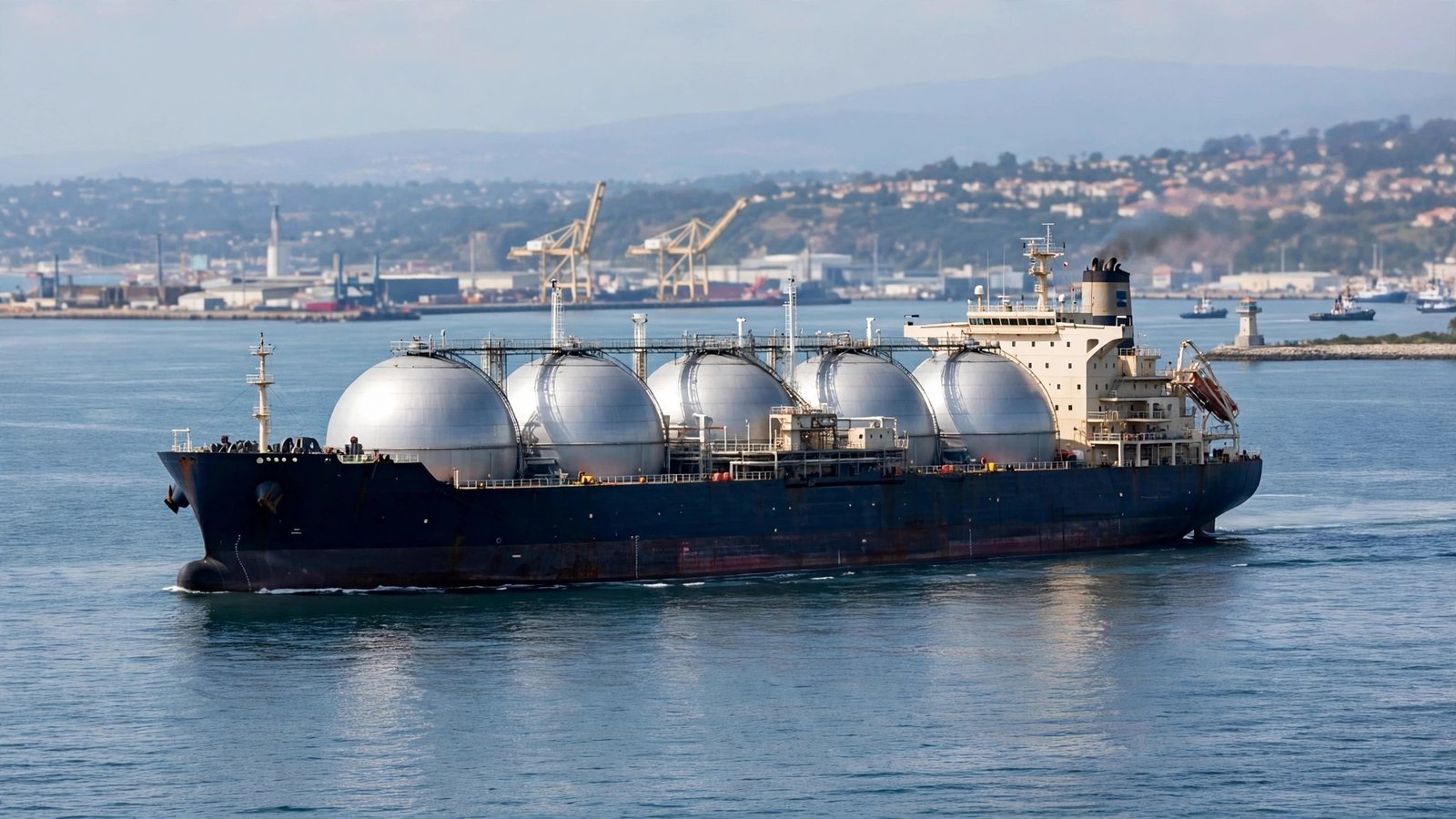
In the almost two years since the administration took office, U.S. projects amounting to more than 50 million metric tons per year have announced a final investment decision, according to Reuters. One of them, Delfin LNG, is set to become the first U.S. floating LNG export facility, but it has not been publicly given the all-clear by PHMSA to operate the pipeline that would carry natural gas to the floating facility after an explosion earlier this year.
Even if the rule changes, developers would still have to go through the Federal Energy Regulatory Commission permitting process, face legal challenges and obtain environmental approvals.
Reporting based on coverage by Reuters.